

Women's Mental Health: Symptoms, Causes, Treatment & When To Get Help


Women’s mental health is an essential part of overall health, yet many women continue to experience anxiety, depression, emotional exhaustion, stress, and other mental health challenges without seeking support. Social expectations, family responsibilities, hormonal changes, pregnancy, motherhood, relationship pressures, workplace demands, and cultural factors can all influence emotional well-being.
Mental health problems in women can appear at different stages of life — from adolescence and reproductive years to pregnancy, postpartum, menopause, and older age. These challenges are not simply “normal stress” when they begin affecting daily life, relationships, sleep, work, or physical health.
According to the World Health Organization (WHO), depression is more common among women than men, and mental health conditions during pregnancy and after childbirth are important public health concerns.
In this guide, Ms. Sadaf Inayat, the top psychologist in Lahore, explains women’s mental health conditions, warning signs, causes, risk factors, diagnosis, treatment options, prevention strategies, and when professional help is needed. It also discusses women’s mental health in the context of Pakistan, where stigma, limited awareness, and access barriers can affect care.
Need Professional Mental Support?
Apka Muaalij supports women in making informed healthcare decisions. For personalized concerns, online consultations and guidance from qualified healthcare professionals are available at 042-32377001.
Quick Answer
Women’s mental health refers to emotional, psychological, and social well-being throughout a woman’s life. Common concerns include anxiety, depression, stress-related disorders, postpartum depression, trauma-related conditions, and mood changes linked with hormonal transitions. Early recognition, professional support, healthy lifestyle habits, and appropriate treatment can significantly improve recovery and quality of life.
Must read: "Does Seeing A Psychologist In Pakistan Mean You’re “Crazy”?"
Key Takeaways
-
Women’s mental health changes throughout different stages of life.
-
Depression and anxiety are common but treatable conditions.
-
Pregnancy and postpartum periods require attention to emotional health.
-
Mental health symptoms should not be ignored or dismissed.
-
Early professional support improves outcomes.
-
Healthy routines, social support, and medical care all contribute to emotional well-being.
What Is Women’s Mental Health?
Women’s mental health includes how women think, feel, cope with stress, manage relationships, make decisions, and function in daily life.
Good mental health does not mean feeling happy all the time. It means being able to handle normal life challenges, maintain relationships, care for oneself, and seek support when difficulties become overwhelming.
Women may experience unique mental health challenges because of:
-
Reproductive health changes
-
Pregnancy and childbirth
-
Hormonal fluctuations
-
Gender-based discrimination or violence
-
Caregiving responsibilities
-
Social and cultural expectations
-
Financial or workplace pressures
Mental health conditions are medical issues, not personal weaknesses. They can affect anyone and often improve with appropriate care.
Related Articles:
Common Mental Health Conditions in Women
|
Condition |
Common Symptoms |
When It May Need Attention |
|
Depression |
Persistent sadness, loss of interest, fatigue, hopelessness, sleep changes |
Symptoms lasting weeks and affecting daily life |
|
Excessive worry, fear, restlessness, physical tension |
Worry becomes difficult to control |
|
|
Postpartum depression |
Low mood, anxiety, guilt, and emotional distress after childbirth |
Symptoms interfere with caring for self or baby |
|
Flashbacks, fear, avoidance, and emotional distress after trauma |
Symptoms continue after a traumatic event |
|
|
Eating disorders |
Unhealthy relationship with food, body image concerns |
Eating patterns affect physical or emotional health |
Symptoms of Poor Mental Health in Women
Mental health symptoms can be emotional, physical, and behavioral.
Common signs include:
-
Persistent sadness or frequent crying
-
Feeling overwhelmed or unable to cope
-
Constant worry or fear
-
Irritability or anger changes
-
Loss of interest in activities once enjoyed
-
Sleep problems
-
Changes in appetite or weight
-
Low energy or constant tiredness
-
Difficulty concentrating
-
Feelings of guilt, worthlessness, or hopelessness
-
Avoiding family, friends, or social activities
Severe symptoms may include thoughts of self-harm or suicide. These require urgent medical attention.
Causes and Risk Factors Affecting Women’s Mental Health
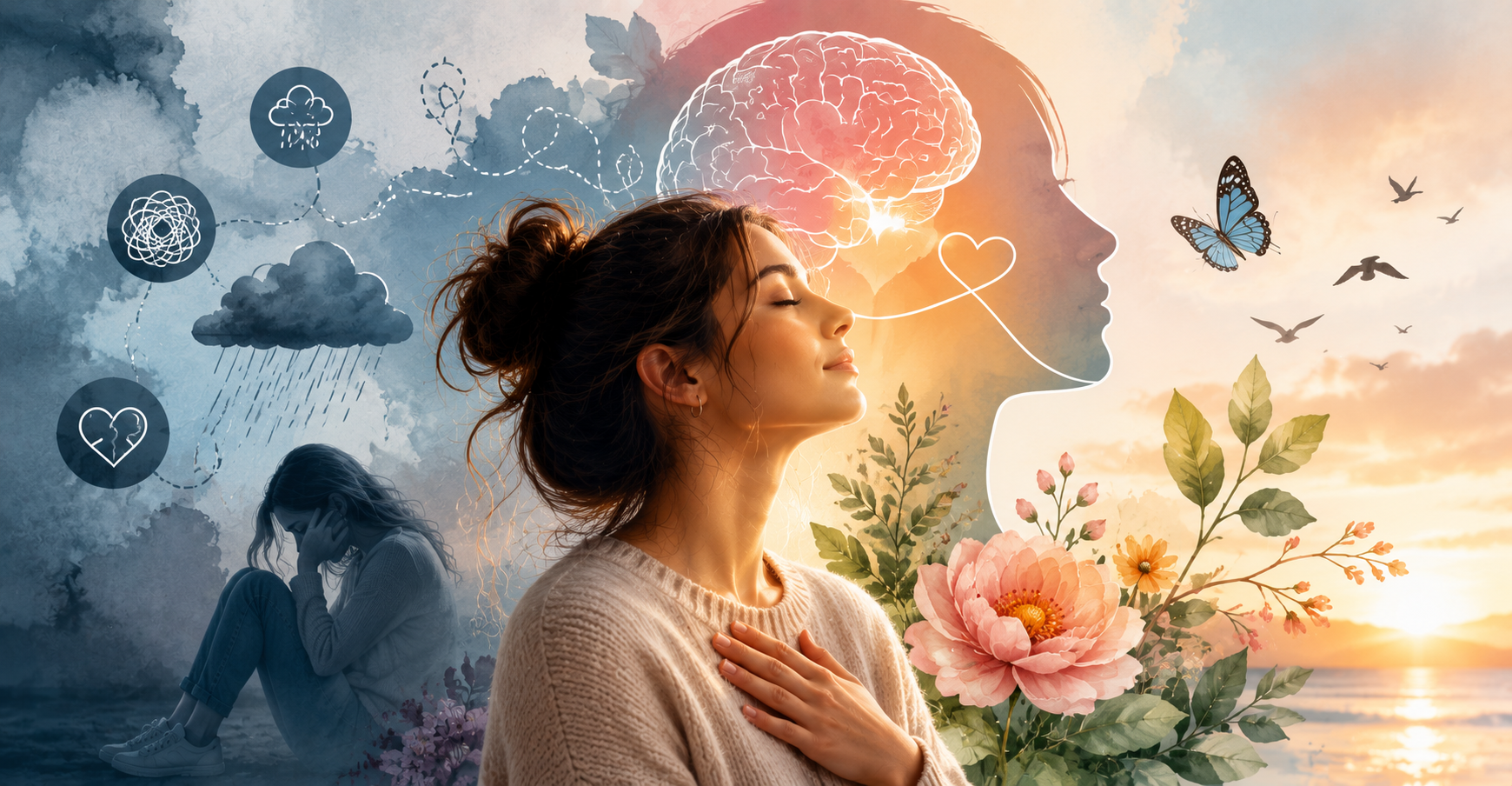
Women’s mental health is influenced by a combination of biological, psychological, and social factors.
Biological Factors
These may include:
-
Hormonal changes during puberty
-
Menstrual-related mood changes
-
Pregnancy-related changes
-
Postpartum hormonal shifts
-
Menopause transition
-
Genetic vulnerability
Psychological Factors
Examples include:
-
Previous depression or anxiety
-
Low self-esteem
-
Chronic stress
-
Difficulty coping with major life changes
Social and Environmental Factors
Risk may increase with:
-
Domestic violence
-
Financial stress
-
Lack of emotional support
-
Relationship difficulties
-
Workplace pressure
-
Social isolation
-
Traumatic experiences
WHO highlights that depression can result from complex interactions between biological, psychological, and social factors.
Must read: "Telepsychiatry In Pakistan: What It Is, How It Works, Benefits & Best Platforms"
Women’s Mental Health During Pregnancy and After Childbirth
Pregnancy and motherhood can bring happiness, but they can also create significant emotional challenges.
Baby Blues vs Postpartum Depression
Many new mothers experience temporary emotional changes after delivery. However, postpartum depression is a medical condition requiring attention.
|
Baby Blues |
Postpartum Depression |
|
Usually begins shortly after birth |
Can develop during pregnancy or after childbirth |
|
Mild mood changes |
More severe emotional symptoms |
|
Usually improves within days |
Can continue for weeks or longer |
|
Does not usually affect daily functioning significantly |
May affect bonding, self-care, and daily activities |
WHO reports that mental disorders, especially depression, can occur during pregnancy and after childbirth, and these conditions are treatable.
Women should seek help if they experience:
-
Persistent sadness
-
Severe anxiety
-
Feeling disconnected from the baby
-
Extreme guilt
-
Thoughts of self-harm
Mental Health Challenges for Women in Pakistan
Women in Pakistan may face additional barriers when seeking mental healthcare, including:
-
Mental health stigma
-
Family pressure
-
Limited awareness about symptoms
-
Difficulty accessing specialists
-
Cultural hesitation in discussing emotional problems
Some women may describe depression or anxiety through physical symptoms such as:
-
Headaches
-
Fatigue
-
Sleep problems
-
Body pain
-
Digestive complaints
Recognizing mental health symptoms as healthcare concerns can help women receive timely support.
If emotional struggles are affecting daily life, relationships, pregnancy, or personal well-being, Apka Muaalij can help connect you with qualified healthcare professionals for guidance and consultation at 042-32377001.
Must read: "Who Is The Best Female Psychiatrist In Lahore? Complete Guide (2026)"
Diagnosis of Mental Health Conditions in Women
A mental health diagnosis is usually made through:
-
Clinical interviews
-
Symptom evaluation
-
Medical history review
-
Assessment of lifestyle and stress factors
-
Screening questionnaires when appropriate
Healthcare professionals may also check whether symptoms are related to:
-
Thyroid problems
-
Nutritional deficiencies
-
Medication effects
-
Other medical conditions
A proper evaluation helps ensure the right treatment approach.
Related Articles:
- Which Mental Health Specialist Is Right for You? Complete 2026 Guide
- Mental Health In Pakistan: Why Millions Are Suffering In Silence
- 15 Common Reasons For Headaches: Types, Warning Signs & When To See A Doctor
Treatment Options for Women’s Mental Health
Treatment depends on the condition, severity, personal situation, and medical history.
Psychotherapy
Evidence-based therapies may include:
-
Interpersonal therapy
-
Trauma-focused therapy
These approaches help people understand thoughts, emotions, coping patterns, and behaviors.
Medication
Some women may benefit from medications such as antidepressants or anti-anxiety medicines.
Medication decisions should always be made with a qualified healthcare professional, especially during pregnancy or breastfeeding.
Lifestyle Support
Helpful habits include:
-
Regular physical activity
-
Balanced nutrition
-
Adequate sleep
-
Social connection
-
Stress management techniques
-
Relaxation practices
Must read: "Early Signs Of Bipolar Disorder: 13 Warning Symptoms You Shouldn’t Ignore"
How Women Can Protect Their Mental Health
Practical strategies include:
-
Prioritize regular sleep
-
Maintain supportive relationships
-
Take breaks from constant responsibilities
-
Practice healthy coping skills
-
Stay physically active
-
Seek help early instead of waiting for symptoms to worsen
-
Schedule healthcare visits when emotional changes become difficult to manage
Mental health care is a part of preventive healthcare, just like physical checkups.
When Should a Woman Seek Professional Mental Health Help?
Professional support is recommended when:
-
Symptoms last several weeks
-
Daily activities become difficult
-
Relationships are affected
-
Sleep or appetite changes significantly
-
Anxiety feels uncontrollable
-
Depression symptoms appear
-
There are thoughts of self-harm
Urgent help is needed if someone feels at immediate risk of harming themselves or others.
Must read: "8 Hidden Symptoms Of ADHD In Adults Most People Miss"
Conclusion
Women’s mental health is a vital part of lifelong health. Depression, anxiety, postpartum mental health concerns, and stress-related conditions are common, but they are also manageable with awareness, support, and evidence-based treatment.
Women should not wait until symptoms become severe before seeking help. Building healthy routines, maintaining supportive relationships, and consulting qualified healthcare professionals when needed can protect emotional well-being.
Apka Muaalij encourages women to prioritize mental health as an essential part of healthcare. Professional guidance and online consultation support are available through qualified healthcare providers at 042-32377001.
Frequently Asked Questions (FAQs)
1. What are the most common mental health problems in women?
The most common mental health concerns in women include depression, anxiety disorders, stress-related problems, postpartum depression, trauma-related disorders, and mood changes associated with hormonal transitions. These conditions can affect emotions, sleep, relationships, work, and overall quality of life.
2. Why are women more affected by depression than men?
Research suggests that women’s higher rates of depression may involve a combination of biological, hormonal, psychological, and social factors. These may include reproductive changes, exposure to stress, caregiving responsibilities, discrimination, and differences in seeking or receiving support.
3. What are the signs of depression in women?
Signs may include ongoing sadness, loss of interest, fatigue, sleep problems, appetite changes, difficulty concentrating, feelings of guilt, and hopelessness. If symptoms continue and interfere with daily activities, professional assessment is recommended.
4. Can pregnancy affect a woman’s mental health?
Yes. Pregnancy involves major physical, hormonal, and emotional changes. Some women experience anxiety, depression, or other mental health concerns during pregnancy or after childbirth. Early recognition and treatment can help protect both mother and family well-being.
5. What is postpartum depression?
Postpartum depression is a mental health condition that can occur after childbirth. It involves symptoms such as persistent sadness, anxiety, loss of interest, guilt, and difficulty functioning. It is different from temporary mood changes after delivery and can be treated.
Must read: "Mental Health Crisis In Pakistan & How To Get Help?"
6. How can women improve their mental health naturally?
Healthy habits such as regular exercise, adequate sleep, balanced nutrition, meaningful relationships, stress management, and seeking support early can improve mental well-being. However, lifestyle changes should not replace professional care when symptoms are severe.
7. Can anxiety in women be treated?
Yes. Anxiety disorders are treatable through approaches such as psychotherapy, lifestyle strategies, and sometimes medication. Treatment depends on the type and severity of anxiety and should be discussed with a healthcare professional.
8. How does menopause affect mental health?
Hormonal changes during menopause may contribute to mood changes, sleep problems, irritability, and increased emotional sensitivity. Persistent depression or anxiety symptoms should be evaluated by a healthcare professional.
9. How can families support women experiencing mental health problems?
Families can help by listening without judgment, encouraging professional support, reducing stigma, sharing responsibilities, and providing emotional support. Understanding that mental health conditions are medical concerns can improve recovery.
10. When is mental health treatment urgently needed?
Urgent help is needed when a woman has thoughts of self-harm, feels unable to stay safe, experiences severe confusion, or cannot manage basic daily activities. Immediate support from healthcare services or emergency resources should be sought.
References and Evidence Sources
-
World Health Organization (WHO) — Depression and Mental Health Resources
-
World Health Organization (WHO) — Perinatal Mental Health Information
-
American Psychiatric Association — Diagnostic and Statistical Manual of Mental Disorders (DSM-5-TR)
-
National Institutes of Health (NIH) mental health research resources
Disclaimer: This article is intended for educational and informational purposes only. It is not a substitute for professional medical advice, diagnosis, or treatment. Always consult a qualified healthcare professional regarding any medical condition, symptoms, or treatment decisions. Never delay seeking medical advice because of information you have read in this article.

Find & Book the best "Psychiatrist" near you
Book Appointment