

Mental Health Crisis In Pakistan & How To Get Help?
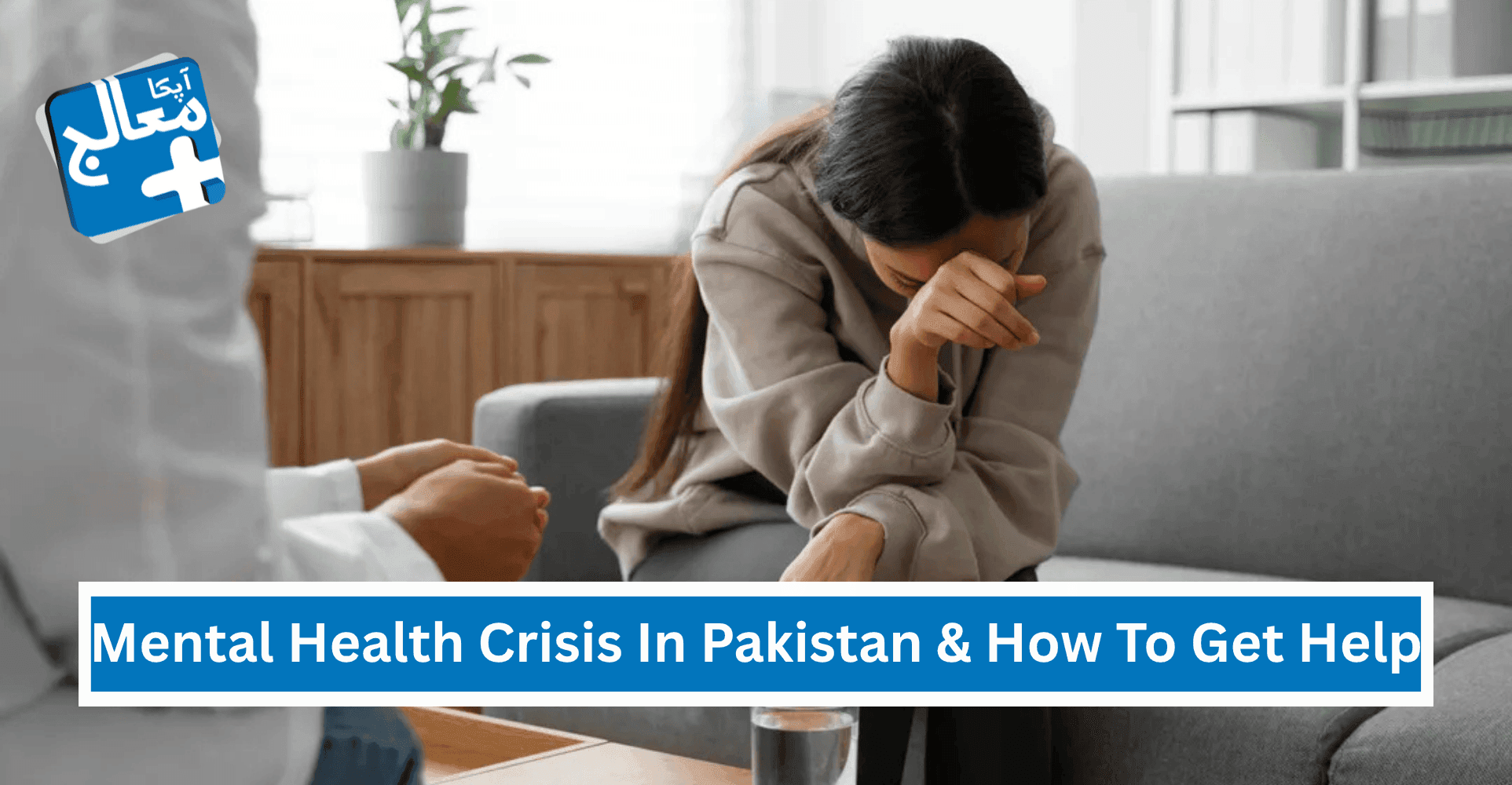
Mental health is a growing concern in Pakistan, with an estimated 34% of the population suffering from various psychological issues. Despite the increasing prevalence, mental health remains a taboo subject, often leading to neglect and inadequate treatment.
In this blog, we will explore the current state of mental health in Pakistan and provide resources for those seeking help.
Also read: "14 Warning Signs Of Depression In Men You Should Never Ignore"
The Current State of Mental Health in Pakistan
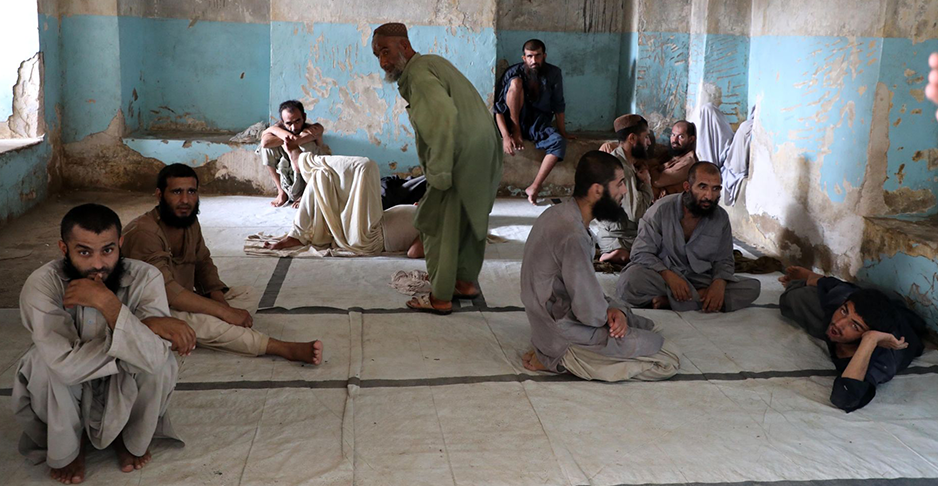
Pakistan faces significant challenges in addressing mental health. Factors such as socio-economic pressures, political instability, and cultural stigmas contribute to the growing crisis. Mental health services are severely under-resourced, with only one psychiatrist available for every 10,000 people. Additionally, there is a lack of awareness and education about mental health, leading many to suffer in silence.
Common Mental Health Issues

The most prevalent mental health issues in Pakistan include depression, anxiety, bipolar disorder, and schizophrenia. Substance abuse is also a significant problem, often used as a coping mechanism for underlying mental health issues. The stigma associated with mental illness prevents many from seeking help, exacerbating the problem further.
Discover our latest articles and insights about mental health
Barriers to Mental Health Care
Several barriers hinder access to mental health care in Pakistan:
-
Stigma: Social stigma and discrimination discourage people from discussing mental health issues or seeking help.
-
Lack of Resources: There are insufficient mental health professionals and facilities to meet the demand.
-
Cost: Mental health services can be expensive, making them inaccessible for many.
-
Lack of Awareness: Many people are unaware of mental health issues and the available treatments.
How to Get Help to Take Care of Mental Health?

Despite these challenges, there are resources available for those seeking mental health support in Pakistan:
1. Mental Health Helplines:
- Umang Pakistan: 0333-1572815 (Provides free psychological first aid and support)
- Rozan Helpline: 0800-22444 (Offers counseling services)
2. Online Counseling Services:
- Talk It Out: Provides online therapy and counseling sessions.
- ReliveNow: Offers mental health services through video, audio, and chat sessions.
3. NGOs and Support Groups:
- Karwan-e-Hayat: Offers comprehensive psychiatric care.
- The Recovery House: Provides rehabilitation services for mental health patients.
4. Government Initiatives:
- The Punjab Mental Health Authority: Works towards improving mental health services and policies in Punjab.
5. Hospitals and Clinics:
- Pakistan Institute of Medical Sciences (PIMS): Provides psychiatric care.
- Aga Khan University Hospital: Offers a range of mental health services.
Also learn: "Attention Deficit Hyperactivity Disorder (ADHD) - Causes & Treatment"
Conclusion
The mental health crisis in Pakistan is a pressing issue that requires immediate attention. While there are significant barriers to accessing mental health care, there are also resources available for those in need. By increasing awareness, reducing stigma, and improving access to services, we can make a positive impact on mental health in Pakistan. If you or someone you know is struggling, don’t hesitate to seek help from the available resources. Contact Apka Muaalij to choose the top mental health specialist or psychiatrist near you because your mental health matters.

Find & Book the best "Psychologist" near you
Book Appointment
Dr. Muhammad Usama, RPh
Dr. Dr. Muhammad Usama, RPh is a highly experienced specialist based in Lahore, Pakistan with over several years of clinical expertise. Specializing in evidence-based and patient-centered care, they provides advanced treatment tailored to individual needs. Currently available on Apka Muaalij, appointments can be booked at 042-32377001.