

Attention Deficit Hyperactivity Disorder (ADHD) - Causes & Treatment
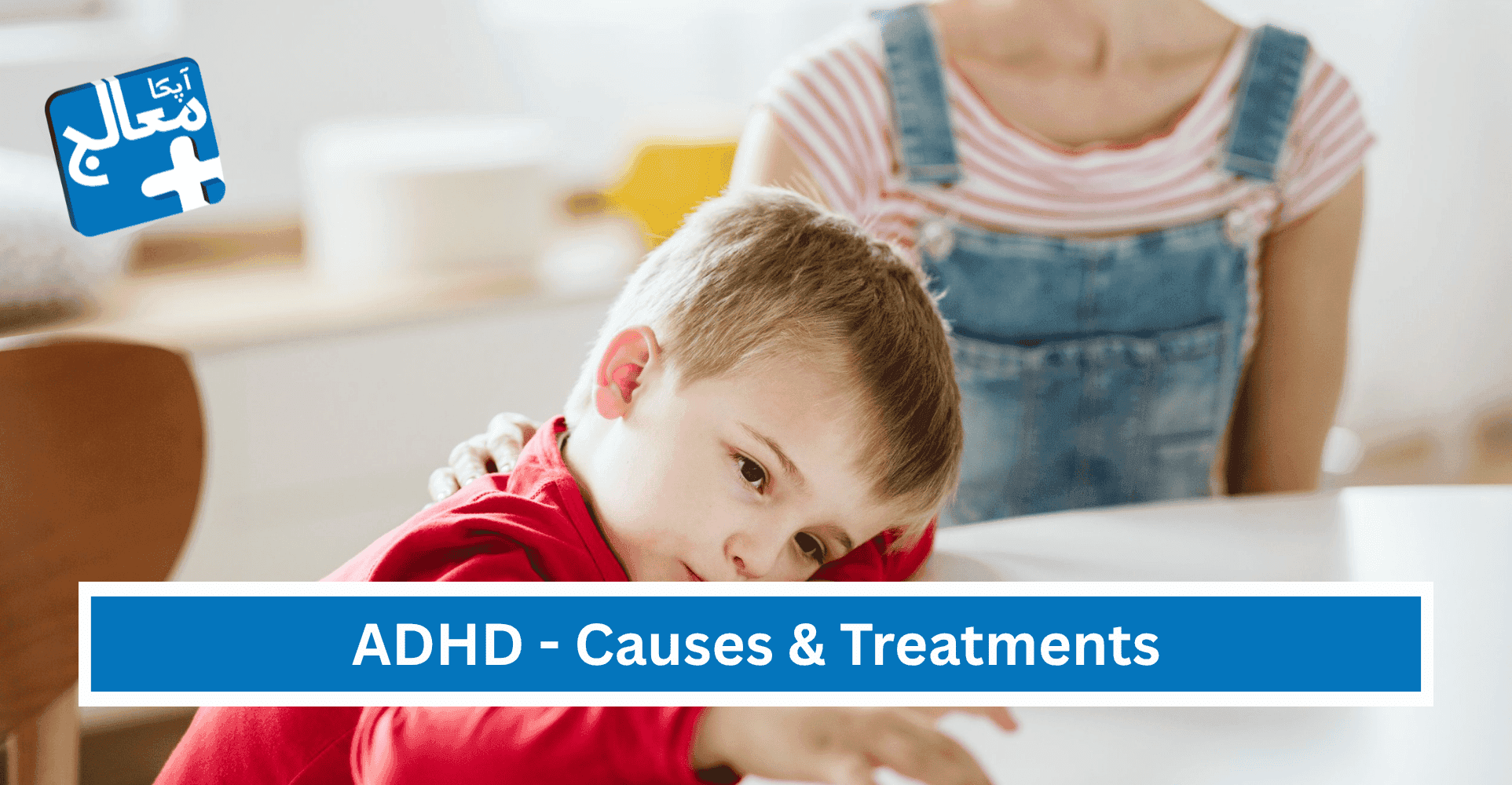
Attention Deficit Hyperactivity Disorder (ADHD) is a neurodevelopmental condition that affects millions of people worldwide, including both children and adults. Characterized by symptoms such as inattention, hyperactivity, and impulsivity, ADHD can significantly impact daily life, academic performance, and social interactions. Understanding ADHD is crucial for fostering empathy and support for those who live with this condition.
What is ADHD?

ADHD is not just about being inattentive or overly active; it's a complex disorder that involves a variety of symptoms that can vary widely from person to person. Some may struggle primarily with inattention, finding it difficult to focus on tasks or follow through on instructions.
Others may exhibit predominantly hyperactive and impulsive behaviors, such as fidgeting, interrupting others, or acting without thinking. Many individuals experience a combination of these symptoms.
Causes & Risk Factors of Attention Deficit Hyperactivity Disorder (ADHD)

While the exact cause of ADHD remains unknown, research suggests a combination of genetic, environmental, and neurological factors. Family history plays a significant role, as ADHD often runs in families.
Environmental factors, such as exposure to tobacco smoke or alcohol during pregnancy, premature birth, and low birth weight, may also increase the risk. Additionally, differences in brain structure and function have been observed in individuals with ADHD.
Diagnosing Attention Deficit Hyperactivity Disorder (ADHD)

Diagnosing ADHD involves a comprehensive evaluation by a healthcare professional, typically a psychologist, psychiatrist, or pediatrician. This evaluation includes gathering information from multiple sources, such as parents, teachers, and the individual themselves. Standardized rating scales and questionnaires are often used to assess the frequency and severity of symptoms.
Is it Possible to Live with Attention Deficit Hyperactivity Disorder (ADHD)?

Living with ADHD can be challenging, but with the right strategies and support, individuals can thrive. Treatment often involves a combination of medication, behavioral therapy, and lifestyle changes. Medications like stimulants and non-stimulants can help manage symptoms, while behavioral therapies teach coping skills and strategies to improve focus and organization.
Educational support is also vital. Many students with ADHD benefit from individualized education plans (IEPs) or 504 plans, which provide accommodations to help them succeed in school. These might include extended time on tests, breaks during class, or seating arrangements that reduce distractions.
How Can You Support Someone with ADHD?
Supporting a friend or family member with ADHD involves understanding and patience. Educate yourself about the condition, listen to their experiences, and encourage them to seek professional help if needed. Simple actions, like breaking tasks into smaller steps or creating structured routines, can make a significant difference in managing daily challenges.
Conclusion
ADHD is a lifelong condition, but with appropriate treatment and support, individuals with ADHD can lead fulfilling and successful lives. By increasing awareness and understanding, we can create a more inclusive and supportive environment for everyone affected by this common yet often misunderstood disorder.

Find & Book the best "Neurologist" near you
Book Appointment
Dr. Muhammad Usama, RPh
Dr. Dr. Muhammad Usama, RPh is a highly experienced specialist based in Lahore, Pakistan with over several years of clinical expertise. Specializing in evidence-based and patient-centered care, they provides advanced treatment tailored to individual needs. Currently available on Apka Muaalij, appointments can be booked at 042-32377001.