

Why You’re Losing Interest In Sex (It’s Probably Not Your Libido)


A sudden or gradual loss of interest in sex can feel confusing, frustrating, and even worrying—especially when everything else in life seems “normal.” Many people immediately assume it is a problem with libido itself, but in most cases, reduced sexual interest is a symptom, not the root cause. It often reflects underlying physical health conditions, mental health stressors, hormonal changes, relationship dynamics, or medication side effects.
According to clinical insights from leading health authorities like the World Health Organization, Mayo Clinic, and Cleveland Clinic, sexual desire is deeply connected to overall wellbeing—especially brain chemistry, cardiovascular health, sleep quality, and emotional balance.
In Pakistan and globally, increasing stress levels, sleep deprivation, diabetes, anxiety disorders, and antidepressant use are major contributors to declining sexual interest across both men and women.
In this article, Ms. Sadaf Inayat, the top psychologist in Lahore, explains why sexual desire changes, what it really means for your health, and how to identify whether the issue is psychological, hormonal, or medical. You’ll also learn when it may signal an underlying condition and what steps can help restore a healthy sex drive safely and effectively.
Need Professional Support?
If you are experiencing persistent loss of sexual interest, fatigue, or emotional distress, you can consult qualified healthcare professionals through Apka Muaalij at 042-32377001 for confidential guidance and proper evaluation.
Quick Answer
Loss of sexual interest is usually not a “low libido problem” itself but a symptom of underlying issues such as stress, depression, hormonal imbalance (especially testosterone or thyroid changes), chronic illness like diabetes, medication side effects, or relationship problems. Treating the root cause often restores normal sexual desire naturally.
Must read: "Men’s Mental Health Challenges In Pakistan: Causes, Symptoms & Treatment"
Key Takeaways
-
Loss of sexual interest is usually a symptom, not the root problem
-
Stress, depression, and sleep issues are leading causes
-
Hormonal imbalance and chronic diseases can contribute significantly
-
Medications may unintentionally reduce libido
-
Relationship and emotional health play a major role
-
Diagnosis requires a holistic medical evaluation
-
Most cases are reversible with proper treatment
When Sexual Desire Drops, It’s Usually a Signal—Not the Problem
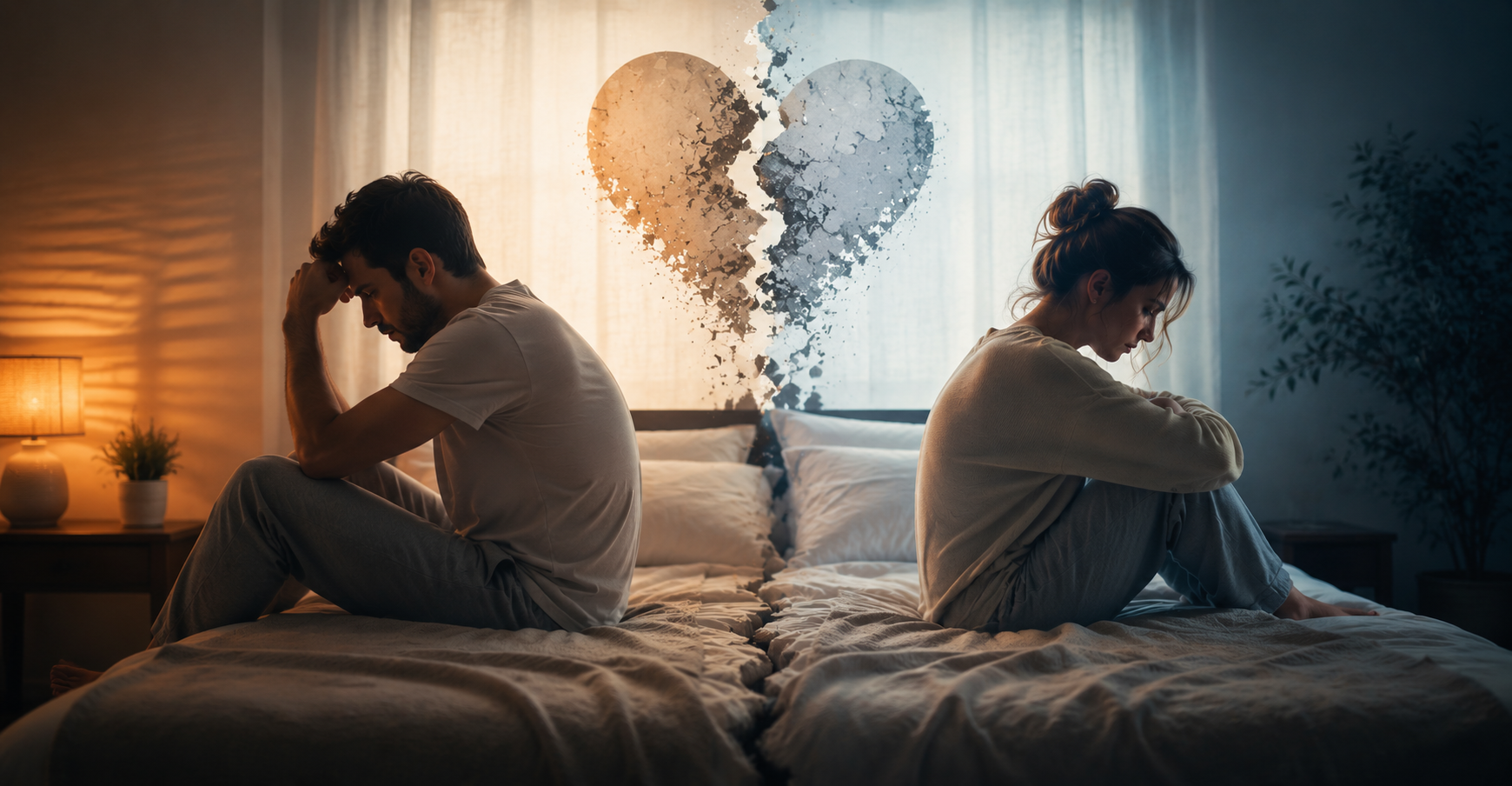
A complex interaction between the brain, hormones, emotions, and physical health regulates sexual desire. When interest in sex decreases, it is often the body’s way of signaling imbalance elsewhere.
Experts from the National Institutes of Health (NIH) emphasize that libido is sensitive to even small disruptions in:
-
Stress hormones (cortisol)
-
Dopamine and serotonin levels
-
Testosterone and estrogen balance
-
Sleep cycles
-
Emotional wellbeing
This is why treating “low libido” directly often fails unless the underlying cause is addressed.
Psychological Causes: The Most Overlooked Factor
Mental health is one of the strongest predictors of sexual desire. Emotional overload can suppress arousal pathways in the brain.
Common psychological causes include:
-
Chronic stress (work, finances, exams)
-
Anxiety disorders
-
Depression or emotional numbness
-
Burnout and mental fatigue
-
Past trauma or unresolved emotional conflict
The National Health Service (NHS) highlights that depression alone can significantly reduce sexual interest due to reduced dopamine activity and fatigue.
In Pakistan, long working hours, financial pressure, and sleep deprivation make stress-related libido loss especially common.
Related Articles:
- Does Seeing A Psychologist In Pakistan Mean You’re “Crazy”?
- Telepsychiatry In Pakistan: What It Is, How It Works, Benefits & Best Platforms
- Early Signs Of Bipolar Disorder: 13 Warning Symptoms You Shouldn’t Ignore
Hormonal Imbalances That Affect Sexual Interest
Hormones act as chemical messengers that directly influence sexual drive.
Key hormonal factors include:
1. Low Testosterone (Men & Women)
-
Reduced sexual thoughts
-
Fatigue and low motivation
-
Decreased arousal
2. Thyroid Disorders
-
Hypothyroidism often reduces libido
-
Hyperthyroidism may increase anxiety, indirectly affecting sex drive
3. Elevated Prolactin
-
Suppresses sexual desire
-
May cause erectile dysfunction or irregular cycles
Hormonal evaluation is often essential when symptoms persist longer than 3–6 months.
Must read: "Why Am I Always Overthinking? 10 Surprising Reasons Most People Miss"
Medical Conditions That Quietly Reduce Libido
Many chronic diseases affect sexual interest before other symptoms become obvious.
|
Condition |
How It Affects Libido |
Warning Signs |
|
Diabetes |
Nerve damage, fatigue, poor circulation |
Excess thirst, fatigue |
|
Reduced blood flow and stamina |
Chest discomfort, breathlessness |
|
|
Hormonal imbalance, low energy |
Weight gain, lethargy |
|
|
Reduced focus on intimacy |
Ongoing pain symptoms |
The American Diabetes Association notes that diabetes significantly increases the risk of sexual dysfunction in both men and women due to vascular and nerve damage.
Medication Side Effects You Should Not Ignore
Certain medications can unintentionally reduce sexual desire:
-
Antidepressants (SSRIs)
-
Blood pressure medications
-
Anti-anxiety drugs
-
Hormonal contraceptives
-
Some antihistamines
If symptoms began after starting a medication, a doctor’s review is essential before making any changes.
Relationship and Emotional Factors
Sexual desire is not purely biological—it is deeply relational.
Common issues include:
-
Emotional disconnection from partner
-
Frequent arguments or unresolved conflict
-
Lack of communication or affection
-
Routine fatigue replacing intimacy
-
Mismatched sexual expectations
Even in healthy couples, emotional distance can reduce sexual interest significantly.
Related Articles:
- What Are The Best Medicines For ADHD In Pakistan?
- ADHD in Adults: Symptoms, Causes, Diagnosis, and Treatment Guide (2026)
- Early Warning Signs Of Schizophrenia In Urdu, Causes & Treatments (In Teens)
Diagnosis: How Doctors Identify the Real Cause
Healthcare providers typically follow a structured approach:
-
Detailed medical and psychological history
-
Hormonal blood tests (testosterone, thyroid, prolactin)
-
Screening for depression and anxiety
-
Medication review
-
Lifestyle assessment
The Cleveland Clinic emphasizes that diagnosing low sexual interest requires a holistic evaluation—not just lab tests.
Treatment Approaches That Actually Work
Treatment depends entirely on the underlying cause:
Psychological Causes
-
Stress management techniques
-
Sleep improvement strategies
Hormonal Causes
-
Hormone replacement therapy (when appropriate)
-
Treating thyroid disorders
-
Managing prolactin levels
Lifestyle Changes
-
Regular exercise
-
Balanced diet
-
Weight management
-
Reducing alcohol and smoking
Medication Adjustments
-
Switching or adjusting current prescriptions under medical supervision
For personalized evaluation of hormonal, psychological, or medical causes of reduced sexual interest, Apka Muaalij offers professional consultations. Speak with a qualified doctor at 042-32377001 for confidential support and treatment planning.
Must read: "Women's Mental Health: Symptoms, Causes, Treatment & When To Get Help"
Factors That Influence Libido in Pakistan
In Pakistan, several lifestyle and cultural factors contribute to reduced sexual interest:
-
High stress due to job and financial pressures
-
Poor sleep routines due to long working hours
-
Nutritional deficiencies (low vitamin D, iron)
-
High rates of undiagnosed diabetes
-
Limited mental health awareness
Hot climate, sedentary lifestyles, and increasing screen time also indirectly reduce energy and libido.
Prevention: Maintaining Healthy Sexual Desire
To support long-term sexual health:
-
Prioritize 7–8 hours of sleep
-
Exercise at least 3–4 times per week
-
Manage stress through relaxation techniques
-
Maintain a balanced diet rich in protein and micronutrients
-
Avoid smoking and excessive alcohol
-
Communicate openly in relationships
Need Healthcare Support in Pakistan?
If you notice ongoing changes in sexual interest, mood, or energy levels, early medical advice can prevent long-term complications. Contact Apka Muaalij at 042-32377001 to consult experienced healthcare professionals and get proper guidance.
Also read: "Who Is The Best Female Psychiatrist In Lahore? Complete Guide (2026)"
Conclusion
Reduced sexual interest is a complex health signal influenced by physical, emotional, and hormonal factors. It is rarely caused by “low libido alone.” Identifying the root cause—whether stress, medical illness, hormonal imbalance, or medication—is essential for effective treatment.
With timely evaluation, lifestyle adjustments, and appropriate medical care, most people experience significant improvement in sexual desire and overall well-being. If symptoms persist, professional consultation is strongly recommended.
Frequently Asked Questions (FAQs)
1. Is low sexual interest always a hormone problem?
No. While hormones like testosterone play a role, most cases are linked to stress, mental health, sleep issues, or medications rather than hormonal disease alone.
2. Can anxiety reduce sexual desire?
Yes. Anxiety increases stress hormones like cortisol, which suppresses arousal and reduces brain signals linked to sexual interest.
3. Does diabetes affect libido?
Yes. Diabetes can damage nerves and blood vessels, leading to reduced sexual function and decreased desire over time.
4. Can antidepressants cause loss of libido?
Some antidepressants, especially SSRIs, may reduce sexual desire as a side effect by altering serotonin and dopamine balance.
5. How long does low libido last?
It depends on the cause. Stress-related cases may improve in weeks, while hormonal or medical conditions may require longer treatment.
More read: "Is Erectile Dysfunction Psychological? Symptoms, Causes, Risks, Treatments & More"
6. Is low libido normal with age?
Sexual desire may decrease slightly with age, but a sudden or severe drop is not considered a normal part of aging and should be evaluated.
7. Can lack of sleep affect sexual interest?
Yes. Poor sleep disrupts hormone balance, increases fatigue, and reduces dopamine activity, all of which lower libido.
8. When should I see a doctor?
If reduced sexual interest persists for more than a few weeks or affects your relationship or well-being, medical evaluation is recommended.
9. Can exercise improve libido?
Yes. Regular exercise improves blood flow, hormone balance, mood, and energy levels, all of which support healthy sexual desire.
10. Is loss of sexual interest reversible?
In most cases, yes. Once the underlying cause is treated—whether psychological, hormonal, or medical—sexual interest often returns.
Disclaimer: This article is intended for educational and informational purposes only. It is not a substitute for professional medical advice, diagnosis, or treatment. Always consult a qualified healthcare professional regarding any medical condition, symptoms, or treatment decisions. Never delay seeking medical advice because of information you have read in this article.

Find & Book the best "Psychiatrist" near you
Book Appointment