

Why Am I Suddenly Having Erectile Dysfunction? 15 Causes (and When to See a Doctor)


A sudden change in sexual performance can feel confusing, stressful, and even frightening. Many men who suddenly experience erectile dysfunction (ED) immediately worry about aging, relationships, masculinity, or permanent problems. However, a sudden erection problem can happen for many different reasons — from temporary stress and lifestyle changes to medical conditions that affect blood flow, nerves, hormones, or mental health.
Erectile dysfunction means having difficulty getting or keeping an erection firm enough for sexual activity. Occasional erection problems are common, but a repeated or sudden change may sometimes be an early sign of an underlying health issue such as diabetes, high blood pressure, cardiovascular disease, medication side effects, or hormonal imbalance.
This guide explains why you may suddenly have erectile dysfunction, the 15 most common causes, warning signs that require medical attention, diagnosis options, treatments, and practical steps that may improve sexual health.
Need Professional Health Support?
If you are experiencing new or unexplained erection problems, professional medical guidance can help identify the real cause. For confidential support and expert evaluation, you can connect with qualified healthcare professionals through Apka Muaalij consultations at 042-32377001.
Quick Answer
Sudden erectile dysfunction can happen because of stress, anxiety, sleep problems, medication changes, alcohol use, smoking, relationship issues, hormonal changes, diabetes, blood vessel problems, nerve disorders, or other medical conditions. A sudden onset does not always mean a serious disease, but persistent ED should be evaluated because it may sometimes indicate an underlying health problem.
Must read: "Low Testosterone Symptoms In Men: Causes, Tests & Natural Treatment"
Key Takeaways
-
Sudden erectile dysfunction can happen due to physical, psychological, or lifestyle factors.
-
Stress and anxiety are common causes, but ED can also signal medical conditions.
-
Diabetes, heart disease, medications, and hormonal issues may contribute.
-
Persistent ED should be evaluated by a healthcare professional.
-
Healthy lifestyle changes can improve erectile and overall health.
-
Treatment depends on identifying the underlying cause.
What Is Sudden Erectile Dysfunction?
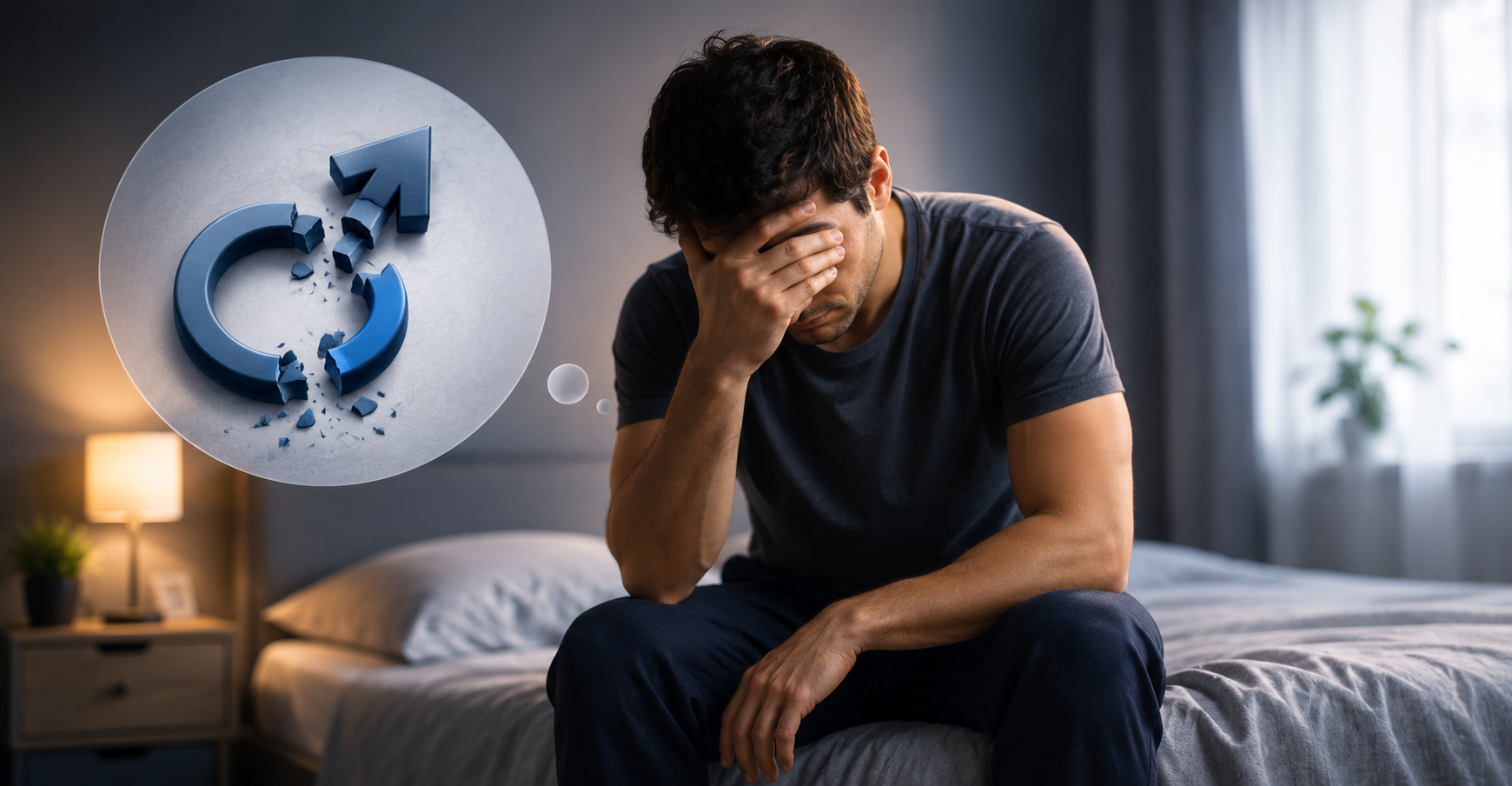
Erectile dysfunction (ED) is the ongoing difficulty in achieving or maintaining an erection sufficient for satisfactory sexual activity. It can involve:
-
Trouble getting an erection
-
Losing an erection during sex
-
Erections that are weaker than before
-
Reduced sexual confidence because of repeated erection problems
An erection requires healthy communication between the brain, nerves, hormones, and blood vessels. Any disruption in these systems can affect sexual function.
Related Articles:
- Male Infertility In Pakistan: Symptoms, Tests, Treatment & Top Doctors
- 9 Natural Ways To Defeat Erectile Dysfunction & When To See A Doctor
- 11 Tips For Increasing Sexual Stamina & Performance Naturally
15 Possible Causes of Sudden Erectile Dysfunction
1. Stress and Performance Anxiety
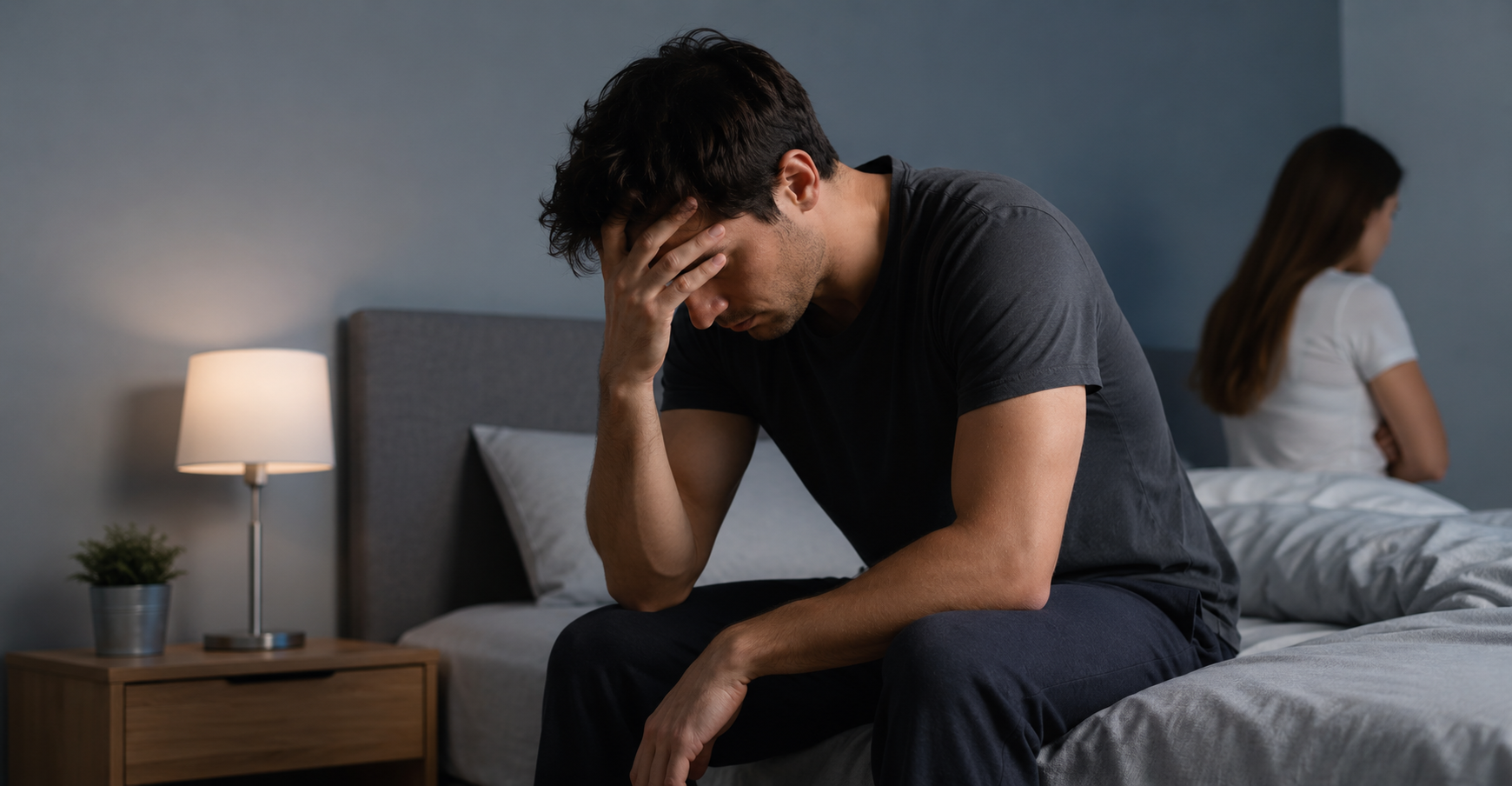
One of the most common reasons for sudden ED is psychological stress.
Major life changes, financial pressure, work stress, relationship tension, or fear of failure can activate stress responses that interfere with sexual arousal.
Performance anxiety can create a cycle:
Stress → worry about erections → increased anxiety → more erection difficulty
This is especially common when a man still experiences morning erections or erections during masturbation but struggles during partnered sex.
2. Depression, Anxiety, or Mental Health Changes
Mental health strongly influences sexual function.
Depression and anxiety may affect:
-
Sexual desire
-
Brain signals involved in arousal
-
Confidence
-
Relationship intimacy
Some medications used to treat mental health conditions can also contribute to ED.
3. Poor Sleep or Sleep Disorders
Sleep plays an important role in hormone regulation and sexual health.
Sudden ED may occur with:
-
Chronic sleep deprivation
-
Irregular sleep schedules
-
Sleep apnea
-
Excessive fatigue
Poor sleep can affect testosterone levels and energy, which may influence erections.
4. Medication Side Effects
Some medicines can contribute to erectile problems.
Examples include:
|
Medication Category |
Possible Effect |
|
Blood pressure medicines |
May reduce blood flow or sexual response |
|
Antidepressants |
May affect desire and erectile function |
|
Sedatives |
May reduce nervous system activity |
|
Some hormone treatments |
Can influence sexual function |
|
Certain pain medicines |
May contribute to ED |
Never stop prescribed medication without discussing it with a healthcare professional. Medication adjustment may sometimes solve the problem.
Must read: "Top 9 Warning Signs Of Prostate Cancer Every Man Should Know"
5. Diabetes and High Blood Sugar
Diabetes is a major risk factor for ED.
High blood sugar over time can damage:
-
Blood vessels
-
Nerves controlling erections
-
Hormonal balance
Some men notice erectile problems before discovering they have diabetes.
6. High Blood Pressure and Heart Disease
Erections depend on healthy blood circulation.
Conditions that affect blood vessels, including:
-
High blood pressure
-
High cholesterol
-
Atherosclerosis (blocked arteries)
-
Heart disease
Can reduce blood flow needed for erections. ED may sometimes appear before other cardiovascular symptoms.
7. Low Testosterone or Hormonal Problems
Low testosterone may affect:
-
Sexual desire
-
Energy
-
Mood
-
Erectile function
Other hormonal problems, including thyroid disorders, can also contribute.
A doctor may recommend blood tests if symptoms suggest a hormone issue.
8. Smoking and Nicotine Use
Smoking damages blood vessels and reduces circulation.
Because erections depend heavily on blood flow, smoking is strongly linked with increased ED risk.
9. Alcohol Use
Alcohol can interfere with:
-
Nervous system function
-
Sexual response
-
Hormone balance
Occasional drinking may not cause lasting problems, but heavy alcohol use can contribute to ongoing ED.
10. Weight Gain and Lack of Physical Activity
Being overweight and physically inactive may increase the risk of ED through:
-
Poor circulation
-
Insulin resistance
-
Lower fitness levels
-
Hormonal changes
Regular activity and weight management can support better vascular health.
More read: "Pumpkin Seeds For Men In Urdu: 7 Impressive Benefits & Effects"
11. Relationship Problems
Emotional connection and sexual communication influence erections.
Common triggers include:
-
Relationship conflict
-
Lack of communication
-
Fear of disappointing a partner
-
Emotional distance
12. Nerve Problems
The nervous system controls erection signals.
Conditions that may affect nerves include:
-
Spinal injuries
-
Stroke
-
Multiple sclerosis
-
Nerve damage from diabetes
-
Pelvic surgery complications
13. Prostate or Pelvic Surgery History
Procedures involving the prostate, bladder, or pelvic region may sometimes affect nerves and blood vessels involved in erections.
14. Pornography Habits and Sexual Conditioning
Some researchers have explored whether excessive pornography use may influence sexual expectations, arousal patterns, or performance anxiety.
The relationship is complex, and more research is needed. Psychological factors, relationship factors, and individual experiences vary.
15. Sudden Lifestyle Changes
A major change in daily life can affect sexual function:
-
New job stress
-
Less exercise
-
Poor diet
-
Weight changes
-
New substances
-
Reduced sleep
Sometimes the cause is not one single factor but several combined.
Also read: "Safed Musli Benefits For Male: Strength, Stamina & Sexual Health"
Sudden Erectile Dysfunction: Physical vs Psychological Causes
|
Feature |
More Suggestive of Psychological Causes |
More Suggestive of Physical Causes |
|
Onset |
Sudden |
Gradual or worsening |
|
Morning erections |
Often present |
May decrease |
|
Situation |
Happens in specific situations |
Happens consistently |
|
Stress level |
High stress or anxiety |
May occur without emotional triggers |
|
Other symptoms |
Worry, fear, relationship concerns |
Diabetes, pain, circulation problems |
When Should You See a Doctor for Erectile Dysfunction?
Consider medical advice if:
-
ED continues for several weeks
-
The problem is getting worse
-
You have diabetes, high blood pressure, or heart risk factors
-
You have reduced sexual desire
-
You experience chest pain, shortness of breath, or circulation symptoms
-
You have penile pain or curvature
-
The problem started after a new medication
ED evaluation usually includes medical history, sexual history, physical examination, and sometimes blood tests or other investigations.
How Doctors Diagnose Sudden ED
A healthcare professional may assess:
-
Medical conditions
-
Current medications
-
Lifestyle habits
-
Stress and mental health
-
Sexual history
Possible tests may include:
-
Blood sugar testing
-
Cholesterol testing
-
Testosterone testing
-
Thyroid evaluation
The goal is to identify the underlying cause, not only treat the symptom.
Related Articles:
- Tongkat Ali Benefits For Male: Testosterone, Libido, Fertility & Performance
- Levitra Tablet Uses In Urdu, Benefits, Effects, Dosage, Risks & Price
- Cialis Tablet Uses In Urdu, Benefits, Effects, Dosage, Risks & Price
Treatment Options for Sudden Erectile Dysfunction
Treatment depends on the cause.
Common approaches include:
Lifestyle Improvements
-
Regular exercise
-
Healthy diet
-
Better sleep
-
Smoking cessation
-
Reducing alcohol
Psychological Support
Counseling or sex therapy may help when stress, anxiety, or relationship issues contribute.
Medicines
Doctors may prescribe ED medicines such as PDE5 inhibitors when appropriate.
These medicines are not suitable for everyone, especially some men taking certain heart medications.
Treating Underlying Conditions
Managing diabetes, blood pressure, cholesterol, or hormone problems may improve erections.
Must read: "Sunflower Seeds For Men: How To Eat, Benefits & Effects"
Take Control of Your Sexual Health With Expert Guidance
Sudden erectile problems can have many causes, and finding the right one is the first step toward improvement. If you are unsure whether your symptoms are related to stress, hormones, medications, or another health issue, Apka Muaalij can help you discuss your concerns privately with qualified healthcare professionals.
For consultation support, contact 042-32377001.
Prevention Tips for Erectile Dysfunction
-
Maintain a healthy weight
-
Exercise regularly
-
Control blood pressure and blood sugar
-
Avoid smoking
-
Limit alcohol
-
Manage stress
-
Get enough sleep
-
Schedule medical checkups when needed
Frequently Asked Questions About Sudden Erectile Dysfunction
1. Why did I suddenly lose my erection during sex?
A sudden loss of erection can happen because of stress, anxiety, tiredness, alcohol, distraction, relationship concerns, or reduced stimulation. If it happens repeatedly, it may be worth discussing with a doctor to rule out medical causes.
2. Can stress cause sudden erectile dysfunction?
Yes. Stress increases hormones such as adrenaline that can interfere with sexual arousal and blood flow. Many men experience temporary ED during periods of emotional pressure or anxiety.
3. Is sudden ED a sign of heart disease?
Sometimes. Because erections require healthy blood vessels, ED may be associated with cardiovascular problems. Men with risk factors such as diabetes, high blood pressure, or smoking should consider medical evaluation.
4. Can a healthy young man suddenly develop ED?
Yes. Younger men can experience ED due to stress, anxiety, medications, sleep problems, lifestyle factors, or medical conditions. Age alone does not determine sexual function.
5. Can masturbation cause erectile dysfunction?
Normal masturbation does not generally cause ED. However, sexual habits, anxiety, unrealistic expectations, or excessive use of certain sexual content may influence some men’s sexual experiences.
Must read: "Shilajit Benefits For Men: Testosterone, Energy & Fertility"
6. How long does temporary erectile dysfunction last?
The duration depends on the cause. Stress-related ED may improve when the trigger is resolved, while ED caused by medical conditions may require treatment.
7. Can diet improve erectile function?
A healthy diet that supports heart and blood vessel health may help reduce ED risk. Foods that support healthy weight, blood sugar, and cholesterol levels are beneficial.
8. Should I stop taking my medicine if it causes ED?
No. Do not stop prescribed medication without medical advice. A doctor can determine whether adjustment or an alternative treatment is appropriate.
9. What doctor treats erectile dysfunction?
A urologist commonly evaluates ED, but other healthcare professionals may be involved depending on the cause, including doctors managing diabetes, heart conditions, or mental health concerns.
10. Is erectile dysfunction permanently curable?
Many cases improve significantly when the underlying cause is identified and treated. The outcome depends on factors such as overall health, cause, and treatment approach.
Conclusion
Sudden erectile dysfunction can be alarming, but it is often a treatable condition. The cause may be temporary stress, lifestyle changes, medication effects, or an underlying health issue involving blood vessels, nerves, or hormones.
Pay attention to persistent changes, especially if ED appears with other health symptoms. Early medical evaluation can help identify the cause and improve both sexual health and overall well-being.
If you are experiencing ongoing erection problems, speaking with a qualified healthcare professional is the best step toward finding an effective solution.
Medical References & Evidence Sources
-
National Institutes of Health — Evidence-based patient health information
-
American Urological Association — Erectile Dysfunction Guideline
-
Cleveland Clinic — Erectile Dysfunction causes, diagnosis, and treatment information
Disclaimer: This article is intended for educational and informational purposes only. It is not a substitute for professional medical advice, diagnosis, or treatment. Always consult a qualified healthcare professional regarding any medical condition, symptoms, or treatment decisions. Never delay seeking medical advice because of information you have read in this article.

Find & Book the best "Urologist" near you
Book Appointment