

Sunflower Seeds For Men: How To Eat, Benefits & Effects


Sunflower seeds are often seen as a simple snack, but nutritionally, they are among the most powerful plant foods for men's health. These small kernels from the sunflower plant contain concentrated amounts of essential fatty acids, antioxidants, minerals, and plant compounds that influence hormones, cardiovascular health, muscle function, fertility, and long-term disease prevention.
For men who want to support testosterone levels, improve heart health, maintain energy, and strengthen reproductive function, sunflower seeds can be a surprisingly effective addition to the diet. Research in nutritional science and public health consistently links seed and nut consumption with better metabolic health, reduced inflammation, and improved cardiovascular outcomes.
This comprehensive guide explains the 16 science-backed benefits of sunflower seeds for men, their nutritional profile, how they affect the male body, and practical ways to eat them safely and effectively.
Key Takeaways
-
Sunflower seeds provide healthy fats, protein, vitamin E, magnesium, selenium, and zinc, which support multiple aspects of male health.
-
They may support testosterone production and male fertility due to their mineral and antioxidant content.
-
Regular consumption is associated with improved heart health, reduced inflammation, and better metabolic function.
-
Their nutrients also support muscle recovery, brain health, immune function, and healthy skin.
-
A typical healthy serving for men is about one ounce (28–30 grams) per day.
-
Choosing unsalted or lightly roasted seeds helps maximize health benefits.
What Are Sunflower Seeds?
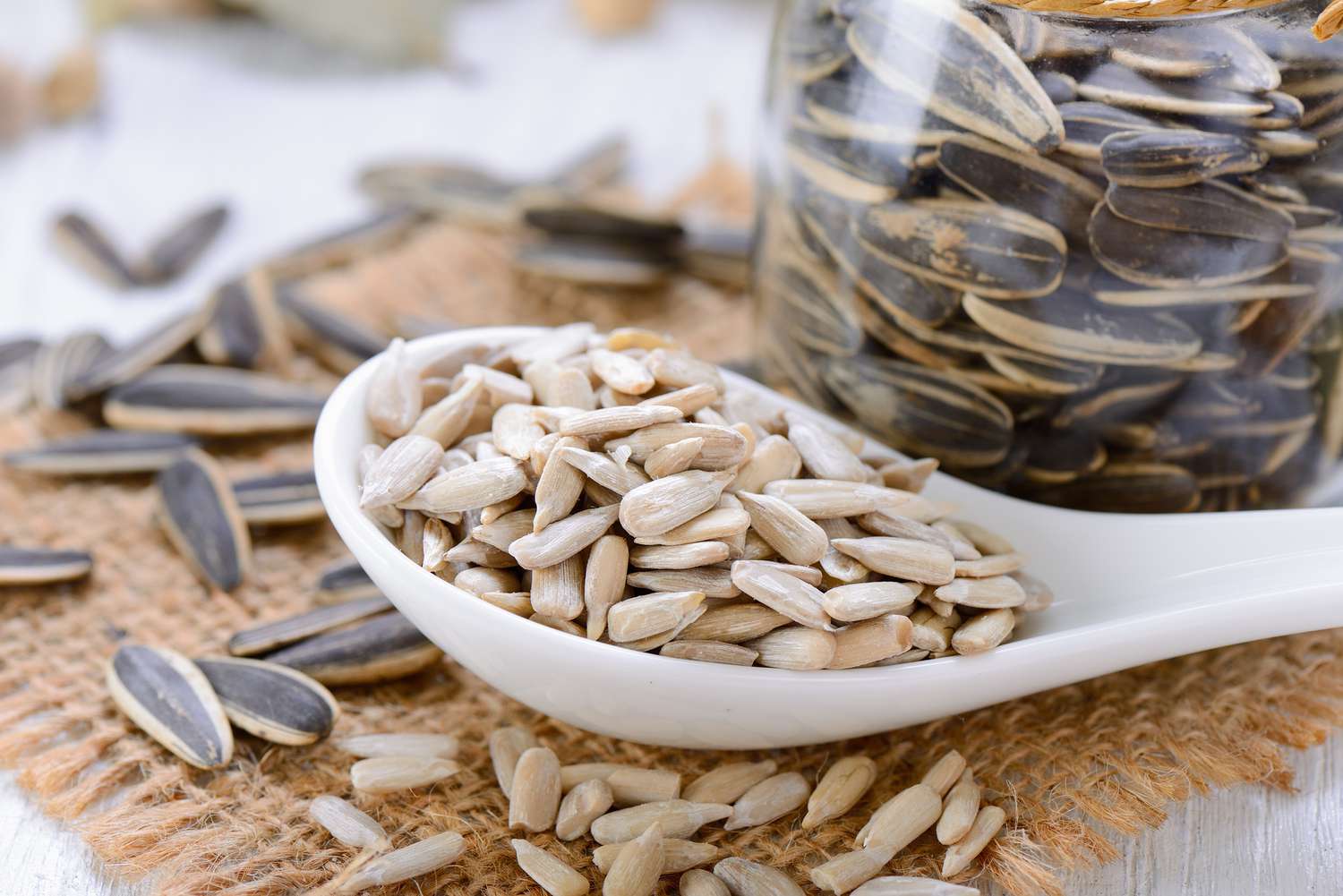
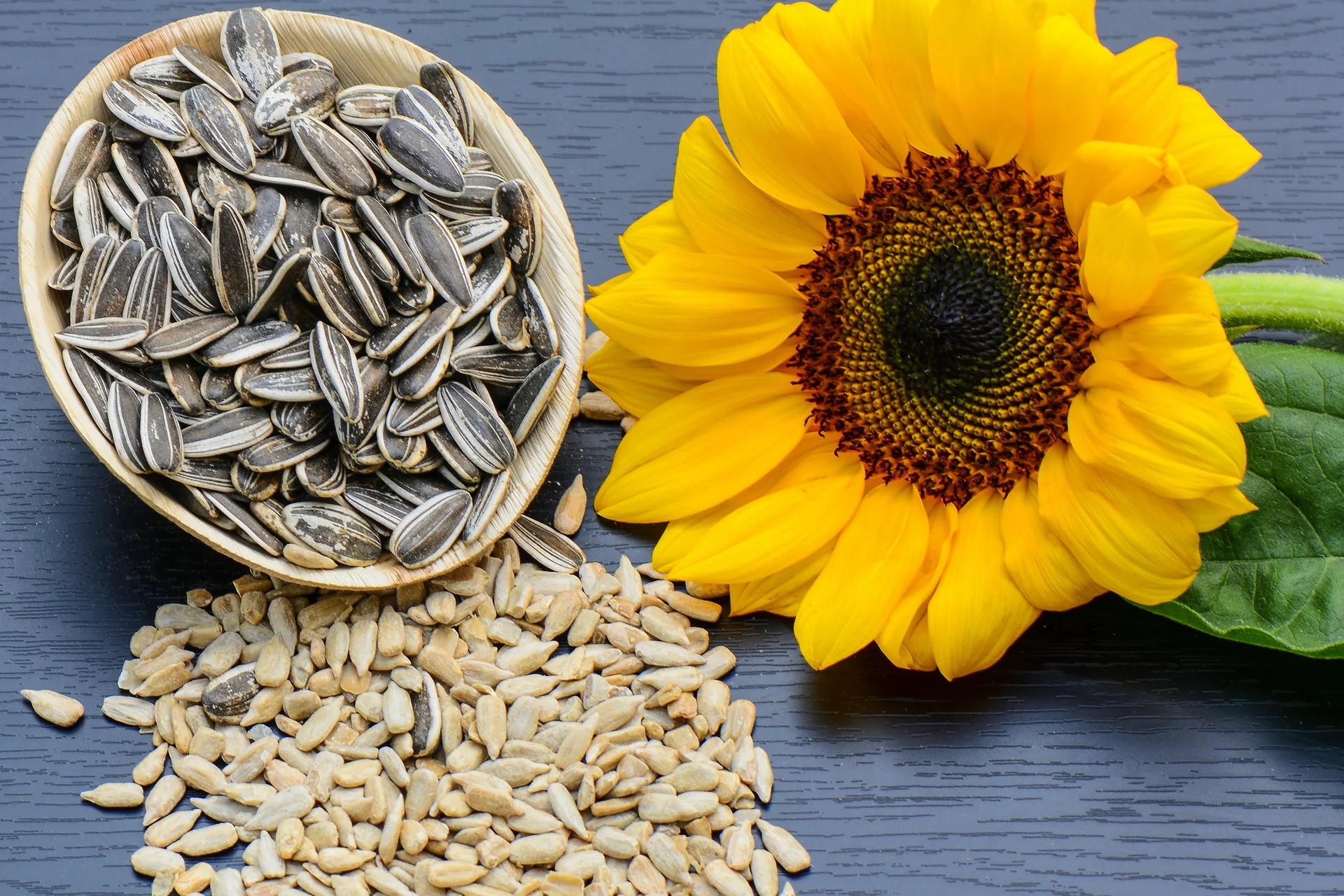
Sunflower seeds are the edible seeds of the sunflower plant (Helianthus annuus). They develop inside the large flower head of the plant and are typically sold in two forms:
-
Whole seeds with the shell
-
Shelled kernels
The edible kernel contains healthy fats, protein, vitamins, minerals, and plant antioxidants that support multiple physiological systems in the body.
Nutritional Profile of Sunflower Seeds
Understanding their nutritional value explains why sunflower seeds offer so many health benefits.
Approximate nutrients in 28 grams (1 ounce) of sunflower seeds:
|
Nutrient |
Amount |
Key Benefit |
|
Calories |
~165 kcal |
Energy |
|
Protein |
~5.5 g |
Muscle maintenance |
|
Healthy fats |
~14 g |
Hormone production |
|
Vitamin E |
~7.4 mg |
Antioxidant protection |
|
Magnesium |
~37 mg |
Muscle and nerve function |
|
Selenium |
~22 mcg |
Fertility and immunity |
|
Zinc |
~1.5 mg |
Testosterone and immunity |
|
Fiber |
~3 g |
Digestive health |
|
Folate |
~66 mcg |
Cellular function |
According to research published in The Journal of Nutrition, diets rich in seeds and nuts are associated with improved cardiovascular and metabolic health.
16 Potential Benefits of Sunflower Seeds for Men's Sexual Health
1. Supports Testosterone Production
Sunflower seeds contain zinc, selenium, and healthy fats, which are essential nutrients for testosterone production.
Zinc plays a direct role in testosterone production. Low zinc levels are associated with reduced testosterone and impaired reproductive function.
Healthy fats also provide the building blocks needed for hormone production.
2. Improves Male Fertility
Male fertility depends heavily on sperm health, motility, and antioxidant protection.
Sunflower seeds contain:
-
Selenium
-
Vitamin E
-
Zinc
-
Healthy fats
These nutrients protect sperm from oxidative damage.
Studies in Reproductive Biology and Endocrinology show that vitamin E and selenium improve sperm motility and quality in men experiencing fertility issues.
3. Promotes Heart Health
Heart disease remains one of the leading health risks for men.
Sunflower seeds contain several heart-protective compounds:
-
Polyunsaturated fats
-
Vitamin E
-
Magnesium
-
Phytosterols
These nutrients help:
-
Reduce LDL cholesterol
-
Improve blood vessel function
-
Lower inflammation
Research from the American Heart Association links regular consumption of seeds and nuts with reduced cardiovascular risk.
4. Reduces Inflammation
Chronic inflammation contributes to several male health problems, including heart disease, metabolic syndrome, and prostate issues.
Sunflower seeds provide:
-
Vitamin E
-
Flavonoids
-
Phenolic acids
These antioxidants help neutralize free radicals and reduce inflammatory processes in the body.
5. Supports Prostate Health
The prostate gland relies on antioxidant protection and adequate mineral intake.
Sunflower seeds supply:
-
Selenium
-
Zinc
-
Vitamin E
These nutrients are associated with better prostate health and reduced oxidative stress in prostate tissue.
Some studies suggest selenium intake may play a role in lowering prostate cancer risk, although research is ongoing.
6. Enhances Muscle Recovery and Growth
For men involved in physical activity or strength training, sunflower seeds offer a useful combination of:
-
Plant protein
-
Magnesium
-
Healthy fats
-
B vitamins
Magnesium is particularly important for muscle contraction and recovery after exercise.
7. Improves Energy Levels
Sunflower seeds contain B-complex vitamins such as:
-
Vitamin B6
-
Folate
-
Niacin
These vitamins support energy metabolism by helping the body convert carbohydrates and fats into usable energy.
Men with low B-vitamin intake often report fatigue and reduced physical performance.
8. Supports Brain Function
The brain requires healthy fats and antioxidants for optimal function.
Sunflower seeds provide:
-
Vitamin E
-
Healthy fats
-
Magnesium
Vitamin E is especially important for protecting brain cells from oxidative damage.
Research from Harvard School of Public Health links higher vitamin E intake with better cognitive function in aging adults.
9. Strengthens the Immune System
A strong immune system is essential for overall health and disease prevention.
Sunflower seeds contain immune-supporting nutrients such as:
-
Zinc
-
Selenium
-
Vitamin E
These nutrients support immune cell function and help the body defend against infections.
10. Supports Healthy Skin
Vitamin E in sunflower seeds is one of the most powerful antioxidants for skin protection.
It helps:
-
Protect skin cells from UV damage
-
Maintain skin elasticity
-
Reduce oxidative stress
Healthy skin often reflects a strong internal nutritional status.
11. Helps Maintain a Healthy Weight
Despite being calorie-dense, sunflower seeds can support weight management when consumed in moderate portions.
Their combination of protein, fiber, and healthy fats promotes satiety and reduces overeating.
This makes them a useful snack for men trying to control calorie intake.
12. Helps Regulate Blood Sugar
Sunflower seeds have a low glycemic impact and contain nutrients that support glucose regulation.
Magnesium plays a role in insulin sensitivity, and research in Diabetes Care shows magnesium-rich diets are linked to a lower risk of type 2 diabetes.
13. Supports Healthy Digestion
Sunflower seeds provide dietary fiber that helps support gut health.
Fiber supports:
-
Regular bowel movements
-
Healthy gut bacteria
-
Improved nutrient absorption
A healthy digestive system contributes to better overall metabolic health.
14. Improves Bone Health
Bone strength is often overlooked in men until later in life.
Sunflower seeds contain:
-
Magnesium
-
Phosphorus
-
Copper
These minerals support bone structure and density.
Magnesium deficiency has been associated with reduced bone strength.
15. Supports Healthy Blood Circulation
Magnesium and vitamin E work together to improve blood vessel function.
They help relax blood vessels and improve circulation, which is important for:
-
Heart health
-
Exercise performance
-
Erectile function
Proper blood flow is a key factor in male sexual health.
16. May Support Sexual Health
Sunflower seeds support sexual health through several mechanisms:
-
Improved blood circulation
-
Antioxidant protection
-
Hormone support
The presence of arginine-rich proteins and magnesium helps improve blood flow, which may support erectile function.
How Many Sunflower Seeds Should Men Eat Daily?
A healthy serving size is typically:
28–30 grams per day (about one ounce)
This provides:
-
Healthy fats
-
Key minerals
-
Antioxidants
Without excessive calorie intake.
Eating larger amounts may increase sodium intake if salted varieties are used.
Best Ways to Eat Sunflower Seeds
Sunflower seeds are versatile and easy to include in a daily diet.
1. As a Healthy Snack
Eat roasted or raw sunflower kernels between meals.
2. Add to Salads
Sprinkle seeds over vegetable or grain salads for extra texture and nutrients.
3. Mix Into Oatmeal or Yogurt
They add protein and healthy fats to breakfast meals.
4. Use in Smoothies
Blend a tablespoon of sunflower seeds for added minerals and healthy fats.
5. Make Sunflower Seed Butter
Blend roasted seeds into a creamy spread similar to peanut butter.
Raw vs Roasted Sunflower Seeds
|
Type |
Benefits |
Considerations |
|
Raw |
Maximum nutrient preservation |
Milder flavor |
|
Dry roasted |
Better taste and texture |
Slight nutrient loss |
|
Salted |
Popular snack |
Higher sodium |
|
Unsalted |
Healthier option |
Recommended for daily use |
For regular consumption, unsalted or lightly roasted seeds are the healthiest choice.
Possible Side Effects and Precautions
Sunflower seeds are generally safe but should be consumed in moderation.
Potential concerns include:
High Calories
Large portions can contribute to excess calorie intake.
Sodium Intake
Salted seeds may increase sodium levels.
Cadmium Exposure
Sunflower seeds naturally absorb small amounts of cadmium from soil. Eating moderate portions helps avoid excessive exposure.
Digestive Discomfort
Very large amounts of fiber may cause bloating in some individuals.
Need Healthcare Assistance?
Our expert healthcare professionals, including the best nutritionists, sexologists, and general physicians near you in Pakistan, are here to support you. If you have specific health concerns or queries, Apka Muaalij encourages you to consult your qualified specialists. Book an online video consultation or call 042-32377001.
Frequently Asked Questions (FAQs)
Are sunflower seeds good for testosterone?
Yes. Sunflower seeds contain zinc, selenium, and healthy fats that support hormone production. Zinc plays a direct role in testosterone synthesis, while healthy fats provide the building blocks needed for hormone production in the body.
Can sunflower seeds improve male fertility?
Sunflower seeds may support male fertility because they contain vitamin E, selenium, and zinc. These nutrients protect sperm cells from oxidative damage and may help improve sperm quality and motility.
How many sunflower seeds should a man eat daily?
Most nutrition experts recommend about 28 grams (one ounce) per day. This portion provides beneficial nutrients without excessive calories or sodium.
Do sunflower seeds help with erectile function?
Sunflower seeds may indirectly support erectile health. Their magnesium and healthy fats help improve blood circulation, while antioxidants protect blood vessels. Good vascular health plays a key role in erectile function.
Are roasted sunflower seeds healthy?
Yes, dry-roasted sunflower seeds remain nutritious. However, unsalted or lightly salted varieties are healthier because excessive sodium can increase blood pressure.
Are sunflower seeds good for muscle building?
Sunflower seeds provide plant protein, magnesium, and healthy fats that support muscle recovery and energy metabolism. While they are not a high-protein food compared to meat or legumes, they can complement a balanced muscle-building diet.
Can sunflower seeds help with weight loss?
Yes, when eaten in moderation. Their protein, fiber, and healthy fats increase satiety, which can help reduce overeating and support weight management.
Do sunflower seeds improve heart health?
Yes. Studies show that diets rich in nuts and seeds are associated with improved cholesterol levels and reduced cardiovascular risk. Sunflower seeds provide vitamin E, phytosterols, and healthy fats that support heart health.
Are sunflower seeds safe to eat every day?
Yes. Moderate daily consumption is safe and can be beneficial. It is best to limit portions to about one ounce and choose unsalted varieties.
Are sunflower seeds better raw or roasted?
Both forms are nutritious. Raw seeds retain slightly more nutrients, while roasted seeds offer better flavor and texture. The healthiest option is unsalted dry-roasted or raw sunflower seeds.
Disclaimer: This article is for educational and informational purposes only and should not be considered medical advice. Nutritional needs vary between individuals, and medical conditions may require personalized dietary guidance. Always consult a qualified healthcare professional or registered dietitian before making significant dietary changes, especially if you have existing health conditions or are taking medications.

Find & Book the best "General Physician" near you
Book Appointment