

14 Benefits Of Peptides Serum For Skin & How They Work
Skincare trends come and go, but some ingredients quietly earn their place through consistent results and strong scientific backing. Peptide serums fall into that category. While not as flashy as retinol or vitamin C, peptides have become a staple in dermatologist-recommended routines for people seeking healthier, firmer, and more resilient skin, without irritation.
In this article, we’ll break down what peptide serums are, how they work, 14 real benefits for skin, and how to use them correctly for a visible glow, especially if you’re building a long-term skincare routine.
Also, go through: "12 Benefits Of Vitamin C Serum For Skin & How To Use It"
What Is a Peptide Serum?
Peptide serums are skincare products formulated with short chains of amino acids, known as peptides. Amino acids are the building blocks of proteins like collagen, elastin, and keratin, which keep skin firm, smooth, and youthful.
As skin ages or becomes damaged by sun exposure and pollution, collagen production slows down. Peptides work by sending signals to skin cells, encouraging them to repair damage and produce more of the proteins that maintain healthy skin structure.
Unlike harsher actives, peptides are generally gentle, non-irritating, and suitable for long-term use.
How Peptides Work on the Skin
Peptides function as cell messengers. When applied topically, they communicate with skin cells and trigger repair mechanisms.
Different peptides perform different roles:
-
Some stimulate collagen production
-
Others relax facial tension
-
Some improve hydration and barrier strength
This makes peptide serums especially useful for people who want gradual, natural improvement rather than aggressive exfoliation.
Read: "9 Benefits Of Niacinamide Serum For Skin & How To Use It"
Types of Peptides Commonly Used in Skincare
| Peptide Type | Primary Function |
|---|---|
| Signal peptides | Boost collagen and elastin |
| Carrier peptides | Deliver minerals to the skin |
| Enzyme-inhibitor peptides | Slow collagen breakdown |
| Neurotransmitter peptides | Reduce expression lines |
14 Proven Benefits of Peptide Serum for Skin
1. Boosts Collagen Production
Peptides signal skin cells to produce more collagen, which helps maintain firmness and structure. Regular use can make skin feel stronger and more elastic over time.
2. Improves Skin Elasticity
As elastin levels improve, skin becomes more flexible and resilient. This helps prevent sagging, especially around the jawline and cheeks.
3. Reduces Fine Lines and Wrinkles
By supporting collagen and relaxing facial tension, peptide serums help soften fine lines, particularly on the forehead and around the eyes.
4. Strengthens the Skin Barrier
A healthy barrier prevents moisture loss and protects skin from environmental stressors like pollution and harsh weather.
5. Enhances Skin Hydration
Peptides work well with humectants, helping the skin retain moisture more effectively and reducing dryness.
6. Promotes Smoother Skin Texture
With consistent use, skin feels smoother and looks more refined, especially for those dealing with rough or uneven texture.
7. Supports Skin Repair and Healing
Peptides help accelerate skin recovery after sun exposure, minor irritation, or over-exfoliation.
8. Improves Skin Tone Uniformity
By strengthening skin health, peptide serums can help reduce dullness and uneven tone caused by environmental damage.
9. Reduces Appearance of Enlarged Pores
Stronger skin structure around pores makes them appear smaller and less noticeable over time.
10. Calms Sensitive and Reactive Skin
Unlike many actives, peptides are well-tolerated and can help reduce redness and sensitivity.
11. Helps Prevent Premature Aging
By supporting the skin’s natural repair system, peptides help slow down visible signs of aging before they become pronounced.
12. Enhances Skin Firmness
Peptide serums improve skin density, making it feel firmer and more lifted without invasive treatments.
13. Works Well with Other Skincare Ingredients
Peptides pair well with niacinamide, hyaluronic acid, and ceramides, making them easy to integrate into any routine.
14. Provides a Healthy, Natural Glow
With improved hydration, texture, and elasticity, skin develops a subtle glow that looks natural rather than oily or artificial.
Peptide Serum Benefits Summary Table
| Skin Concern | How Peptides Help |
|---|---|
| Fine lines | Support collagen synthesis |
| Sagging skin | Improve elasticity |
| Dryness | Enhance moisture retention |
| Sensitivity | Strengthen skin barrier |
| Dullness | Promote healthy skin turnover |
How to Use Peptide Serum for Best Results
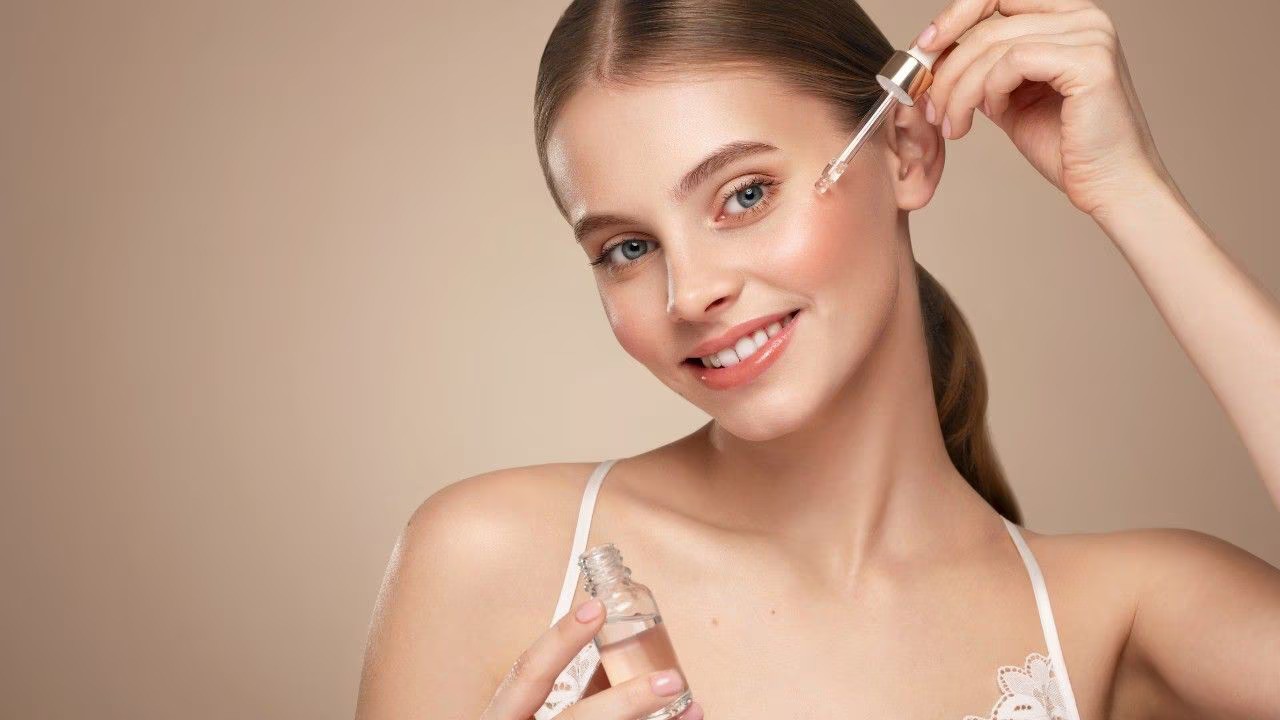
Using peptide serum correctly is just as important as choosing the right one.
Step-by-Step Application Guide
-
Cleanse your face with a gentle cleanser
-
Apply toner (optional)
-
Use peptide serum on slightly damp skin
-
Seal with moisturizer
-
Apply sunscreen in the morning
When to Use Peptide Serum
-
Morning: Yes (lightweight and non-photosensitizing)
-
Night: Highly recommended for repair
Peptides can be used twice daily without irritation.
Ingredients That Pair Well with Peptides
| Ingredient | Benefit |
|---|---|
| Hyaluronic acid | Deep hydration |
| Niacinamide | Barrier repair |
| Ceramides | Moisture locking |
| Antioxidants | Environmental protection |
Ingredients to Use with Caution
Peptides can be used with most actives, but very low-pH acids may reduce their effectiveness. If using exfoliating acids, apply them at a different time of day.
Who Should Use Peptide Serum?
Peptide serums are suitable for:
-
Early aging prevention (mid-20s onward)
-
Sensitive skin types
-
Dry skin
-
People are avoiding retinol irritation
-
Post-procedure skin recovery
You may like to read: "12 Astonishing Benefits Of Hyaluronic Acid Serum For Skin & Face"
Final Thoughts
Peptide serums are not quick-fix products. Their strength lies in consistency and long-term skin health. By supporting collagen, improving hydration, and strengthening the skin barrier, peptides help skin look healthier, firmer, and naturally radiant over time.
For those seeking visible results without irritation, peptide serums remain one of the most reliable skincare investments.
For expert skincare advice, consult a qualified dermatologist near you through Apka Muaalij, Pakistan’s leading digital healthcare platform. Call 042-32377001 to book an online consultation with verified doctors, safely and conveniently from home.
Frequently Asked Questions (FAQs)
1. What does peptide serum do for skin?
It supports collagen, improves texture, and strengthens the skin barrier.
2. Can peptide serum replace retinol?
No, but it’s a gentler alternative for people who can’t tolerate retinol.
3. Is peptide serum safe for sensitive skin?
Yes, peptides are generally non-irritating.
4. How long does peptide serum take to work?
Visible improvements usually appear after 4–8 weeks of consistent use.
5. Can I use peptide serum every day?
Yes, peptides are safe for daily use.
6. Is peptide serum good for acne-prone skin?
Yes, especially lightweight formulas that don’t clog pores.
7. Can peptide serum be used under makeup?
Yes, it absorbs well and layers smoothly.
8. At what age should I start using peptides?
Late 20s to early 30s is ideal, but earlier use can help prevent it.
9. Can peptides fade dark spots?
They indirectly help by improving skin repair and tone.
10. Do peptides work better at night?
Night use supports repair, but daytime use is also effective.
11. Can peptides be used with vitamin C?
Yes, especially if vitamin C is not highly acidic.
12. Are peptide serums safe during pregnancy?
Most are considered safe, but always consult a healthcare provider.
Disclaimer: This content is for informational purposes only and does not substitute professional dermatological advice. Individual skin responses vary. Always perform a patch test and consult a qualified dermatologist if you have specific skin concerns or conditions.

Find & Book the best "Dermatologist" near you
Book Appointment
Dr. Bisma Shehzadi
Dr. Dr. Bisma Shehzadi is a highly experienced specialist based in Lahore, Pakistan with over several years of clinical expertise. Specializing in evidence-based and patient-centered care, they provides advanced treatment tailored to individual needs. Currently available on Apka Muaalij, appointments can be booked at 042-32377001.