

9 Benefits Of Niacinamide Serum For Skin & How To Use It
Niacinamide has quietly earned its place as one of the most trusted ingredients in modern skincare. Unlike trending actives that promise quick results but irritate the skin, niacinamide works steadily, strengthening the skin barrier, balancing oil production, and improving tone without drama. Dermatologists often recommend it because it suits almost every skin type, from acne-prone to sensitive and aging skin.
This article explains what niacinamide serum is, its benefits for the skin, and how to use it correctly to achieve visible results.
You may also like to read: "12 Benefits Of Vitamin C Serum For Skin & How To Use It"
What Is Niacinamide?
Niacinamide is a biologically active form of vitamin B3, a water-soluble vitamin essential for cellular energy and repair. When applied topically, niacinamide supports the skin’s natural barrier, improves communication between skin cells, and reduces inflammation at a cellular level.
According to the Journal of Clinical and Aesthetic Dermatology, niacinamide is one of the few skincare ingredients proven to improve multiple skin concerns simultaneously, without irritation.
Why Dermatologists Prefer Niacinamide Serums
Serum formulations deliver niacinamide in a lightweight, fast-absorbing form, enabling it to penetrate more deeply than creams or lotions. This makes it more effective for concerns like uneven tone, enlarged pores, acne marks, and early aging.
Read: "12 Astonishing Benefits Of Hyaluronic Acid Serum For Skin & Face"
9 Proven Benefits of Niacinamide Serum for Skin
1. Strengthens the Skin Barrier
A healthy skin barrier keeps moisture in and irritants out. Niacinamide increases the production of ceramides, which are lipids responsible for barrier strength.
When the barrier is strong, skin appears smoother, calmer, and more resilient to pollution and weather changes.
Dr. Leslie Baumann, Dermatologist and author of “The Skin Type Solution,” notes that niacinamide improves barrier repair better than many moisturizers.
2. Controls Excess Oil Without Drying
Unlike harsh acne treatments, niacinamide helps regulate sebum production rather than stripping oil completely. This balance is crucial for people with oily or combination skin.
With consistent use, skin appears less shiny, pores look tighter, and breakouts become less frequent.
3. Minimizes the Appearance of Enlarged Pores
Large pores are often the result of excess oil and reduced skin elasticity. Niacinamide improves skin texture and elasticity, making pores appear smaller over time.
While it does not physically shrink pores, it significantly improves their visibility.
4. Reduces Acne and Inflammation
Niacinamide has strong anti-inflammatory properties, making it effective for inflammatory acne, redness, and post-breakout sensitivity.
A study published in the International Journal of Dermatology found that 4% niacinamide performed similarly to topical antibiotics for mild to moderate acne, without the risk of resistance.
5. Brightens Uneven Skin Tone
One of niacinamide’s most valued benefits is its ability to reduce dullness and uneven pigmentation. It works by slowing the transfer of melanin to the skin’s surface.
With regular use, skin looks clearer, more even, and naturally radiant.
Also learn: "11 Surprising Benefits Of Retinol For Skin: Uses, Risks & Products In Pakistan"
6. Fades Dark Spots and Acne Marks
Niacinamide is especially helpful for post-inflammatory hyperpigmentation (PIH) caused by acne or sun exposure.
Unlike aggressive brightening agents, it fades marks gradually, making it safer for sensitive and darker skin tones.
7. Improves Fine Lines and Early Aging Signs
Niacinamide supports collagen production and improves skin elasticity. Over time, this helps soften fine lines and improve overall skin firmness.
It’s particularly useful for people in their late 20s to early 40s who want preventive anti-aging care.
8. Calms Redness and Sensitive Skin
For those with rosacea-prone or reactive skin, niacinamide helps reduce redness and irritation by strengthening the skin’s immune response.
Because it’s non-exfoliating, it can be used daily without triggering sensitivity.
9. Enhances Overall Skin Texture
Regular use of niacinamide serum improves skin smoothness, clarity, and resilience. Skin feels healthier rather than temporarily “treated.”
This long-term improvement is what makes niacinamide a staple in dermatologist-recommended routines.
Also, go through: "16 Possible Side Effects Of Skin Whitening Injections In 2026"
Ideal Niacinamide Concentrations for Skin
| Skin Type | Recommended Strength |
|---|---|
| Sensitive skin | 2% – 5% |
| Normal to combination | 5% |
| Oily or acne-prone | 5% – 10% |
| Beginners | Start with 2% – 3% |
Higher concentrations are not always better. For many people, 5% delivers optimal results with minimal irritation.
How to Use Niacinamide Serum for Best Results
Step-by-Step Application
-
Cleanse your face with a gentle cleanser
-
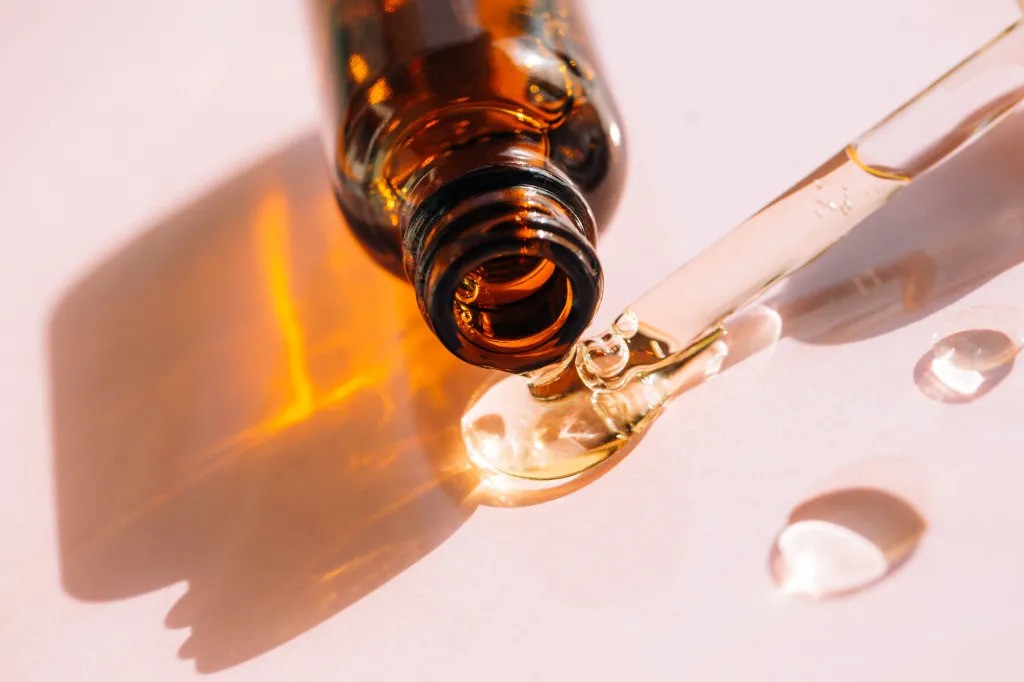
Apply 2–3 drops of niacinamide serum to damp skin
-
Gently press into skin (do not rub aggressively)
-
Follow with moisturizer
-
In the morning, finish with sunscreen
Can Niacinamide Be Used Daily?
Yes. Niacinamide is safe for morning and night use. Consistency matters more than frequency.
Ingredients That Work Well With Niacinamide
| Safe to Combine | Benefits |
|---|---|
| Hyaluronic acid | Hydration |
| Ceramides | Barrier repair |
| Zinc | Oil control |
| Retinol | Anti-aging (use carefully) |
Ingredients to Use Carefully
-
Strong acids (AHAs/BHAs) at the same time
-
Pure vitamin C (L-ascorbic acid), use at different times of day
You may also read: "14 Benefits Of Glycolic Acid For Skin - Uses & Side Effects"
How Long Does Niacinamide Take to Work?
-
Oil control: 1–2 weeks
-
Texture improvement: 3–4 weeks
-
Dark spots and tone: 6–8 weeks
-
Fine lines: 8–12 weeks
Results depend on consistency and overall routine.
Also read: "Eventone C Cream: Benefits, Uses, & Price in Pakistan"
Final Thoughts
Niacinamide serum is not a quick-fix trend; it’s a science-backed, skin-strengthening ingredient that delivers long-term results when used consistently. Its ability to improve barrier health, regulate oil, calm inflammation, and refine skin texture makes it suitable for almost every routine.
For expert skincare advice, consult a qualified dermatologist near you through Apka Muaalij, Pakistan’s leading digital healthcare platform. Call 042-32377001 to book an online consultation with verified doctors, safely and conveniently from home.
Frequently Asked Questions (FAQs)
1. Is niacinamide suitable for sensitive skin?
Yes, it is one of the safest active ingredients for sensitive skin when used at lower concentrations.
2. Can niacinamide cause purging?
No. Niacinamide does not increase cell turnover, so purging is unlikely.
3. Can I use niacinamide with retinol?
Yes, niacinamide actually reduces retinol-related irritation when layered properly.
4. Is niacinamide good for acne scars?
Yes, it helps fade post-acne marks and improves texture over time.
5. Can niacinamide be used under sunscreen?
Yes, it works well under sunscreen and enhances skin barrier protection.
6. Is niacinamide safe during pregnancy?
Topical niacinamide is generally considered safe, but consult a doctor for personalized advice.
7. Does niacinamide whiten skin?
No, it brightens uneven tone without altering natural skin color.
8. Can men use niacinamide serum?
Yes, it works equally well for men and women.
9. Should niacinamide tingle?
No. Tingling may indicate sensitivity or too high a concentration.
10. Is 10% niacinamide better than 5%?
Not always. Many people see excellent results with 5% and fewer side effects.
Disclaimer: This article is for informational purposes only and does not replace professional medical or dermatological advice. Individual skin conditions vary, and results may differ. Always consult a qualified healthcare professional or dermatologist before starting any new skincare treatment.

Find & Book the best "Dermatologist" near you
Book Appointment
Dr. Bisma Shehzadi
Dr. Dr. Bisma Shehzadi is a highly experienced specialist based in Lahore, Pakistan with over several years of clinical expertise. Specializing in evidence-based and patient-centered care, they provides advanced treatment tailored to individual needs. Currently available on Apka Muaalij, appointments can be booked at 042-32377001.