

12 Benefits Of Vitamin C Serum For Skin & How To Use It
Vitamin C serum has become a cornerstone of modern skincare routines around the world, including in Pakistan. What was once considered a premium cosmetic ingredient is now recognized by dermatologists and beauty professionals for its broad range of skin benefits. From brighter complexion and improved texture to enhanced antioxidant protection, vitamin C serum offers results that many creams and lotions struggle to match.
Despite its popularity, confusion remains about what vitamin C serum actually does, how to use it properly, and whether it suits all skin types. In this comprehensive guide, an expert dermatologist, Dr. Fatima Saba, breaks down the key benefits of vitamin C serum, practical usage tips, potential sensitivities, and frequently asked questions that readers search for most often.
Also read: "9 Benefits Of Niacinamide Serum For Skin & How To Use It"
What is Vitamin C Serum?
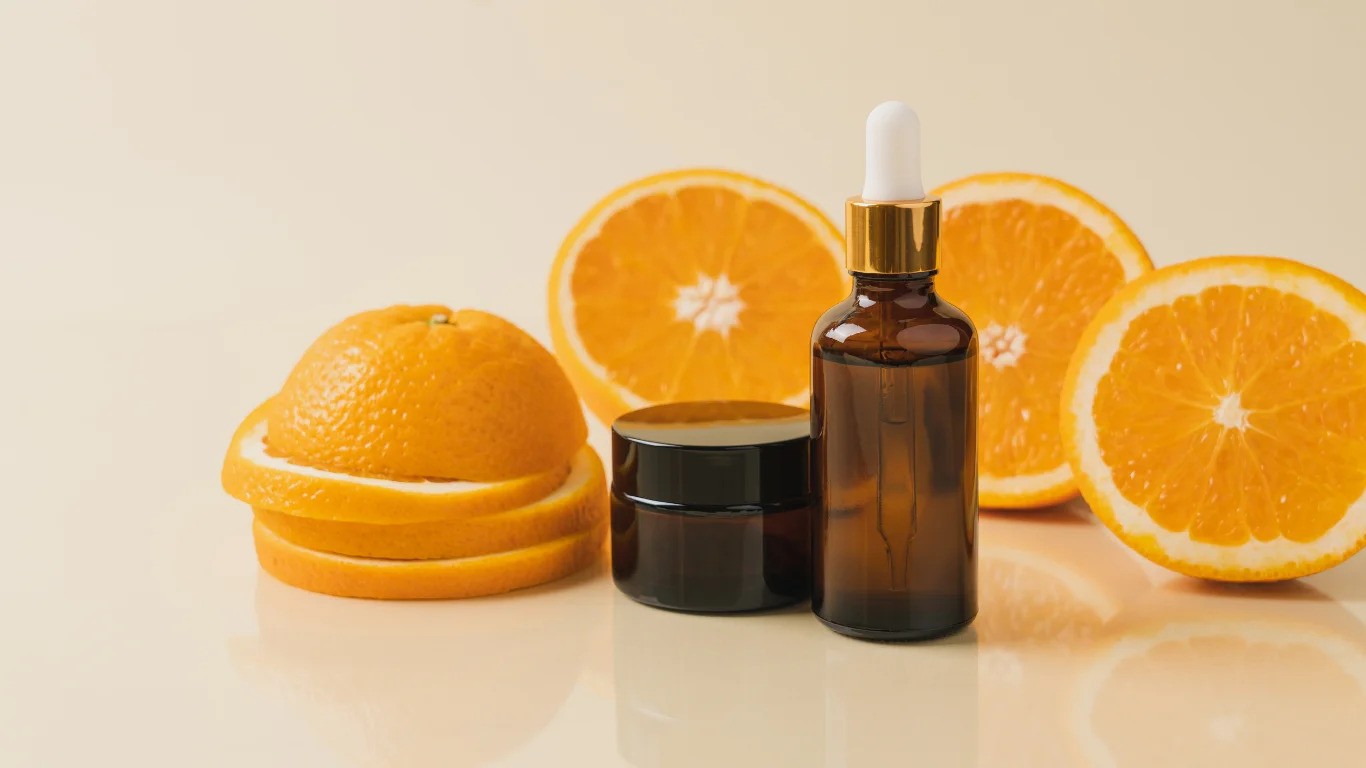
Vitamin C serum is a topical skincare product that contains ascorbic acid or a stable derivative such as sodium ascorbyl phosphate, magnesium ascorbyl phosphate, or tetrahexyldecyl ascorbate. Unlike thick creams, serums are lightweight and deliver concentrated active ingredients deep into the skin.
Vitamin C itself is a powerful antioxidant, which means it helps neutralize free radicals caused by environmental stressors such as ultraviolet (UV) radiation and pollution. The result is healthier-looking, more resilient skin over time.
Also read: "12 Astonishing Benefits Of Hyaluronic Acid Serum For Skin & Face"
12 Astonishing Benefits of Vitamin C Serum for Skin

Here are 12 incredible benefits of vitamin C serum for skin and face:
1. Brightens Dull Complexion
One of the most celebrated benefits of vitamin C serum is its ability to brighten the skin. Regular use helps fade dullness caused by dead skin cell buildup and uneven skin tone, resulting in a fresher, more radiant complexion.
2. Reduces Dark Spots and Hyperpigmentation
Vitamin C interferes with melanin production, which contributes to dark spots and post-acne marks. With consistent use over several weeks, many people notice a visible reduction in hyperpigmentation and brown spots.
Also learn: "Korean Skincare At Home: 7 Best Remedies To Get Korean Glass Skin"
3. Boosts Collagen Production
Collagen is a structural protein that gives skin its firmness and elasticity. Vitamin C plays a role in the skin’s natural collagen synthesis process. When applied topically, it may help support collagen production and reduce the appearance of fine lines.
4. Combats Free Radical Damage
Pollution, UV rays, and smoking can accelerate skin aging by creating free radicals, unstable molecules that damage skin cells. Vitamin C serum acts as an antioxidant, helping to neutralize these molecules before they cause visible harm.
5. Improves Skin Texture
If your skin looks rough or uneven, vitamin C can help by encouraging cell turnover and renewal. Over time, this contributes to smoother, softer skin.
6. Helps Fade Acne Scars
While vitamin C won’t eliminate deep scars, its ability to lighten pigmentation makes it useful for reducing the visibility of acne scars and dark marks left after breakouts.
7. Enhances Natural Glow
Unlike many makeup products that create temporary brightness, vitamin C enhances your skin’s natural radiance from within, giving a glow that looks healthy and effortless.
8. Strengthens Skin Barrier
Some studies show that vitamin C serum can support the skin’s protective barrier, helping it resist irritation and retain moisture more effectively.
Also learn: "11 Surprising Benefits Of Retinol For Skin: Uses, Risks & Products In Pakistan"
9. Works Well With Sunscreen
Vitamin C and sunscreen are a powerful duo. While sunscreen blocks UV radiation, vitamin C provides an additional layer of defense by reducing oxidative stress caused by UV exposure.
10. Reduces Inflammation
Inflammation contributes to redness, irritation, and blemishes. Vitamin C’s anti-inflammatory properties can soothe redness and help calm reactive skin.
11. Helps with Rough, Dry Patches
People with dry or flaky skin often find that vitamin C serum improves overall hydration when used with a moisturizer. While it is not a moisturizer itself, it enhances skin health, so moisturizers perform better.
12. Complements Other Actives
Vitamin C pairs well with other effective skincare ingredients like hyaluronic acid, niacinamide, and peptides. When correctly combined, it can amplify the effects of your overall routine.
Also, go through: "16 Possible Side Effects Of Skin Whitening Injections In 2026"
How to Use Vitamin C Serum?

Using vitamin C serum effectively depends on timing, combination, and concentration.
Step-by-Step Routine
-
Cleanse your face with a gentle cleanser.
-
Pat dry the skin; serums absorb best on slightly damp skin.
-
Apply vitamin C serum (1–2 pumps) to the face and neck.
-
Wait a few minutes before layering other products.
-
Follow with moisturizer to lock in hydration.
-
Use sunscreen in the morning. Vitamin C increases sensitivity to sunlight when applied in the daytime.
Best Time to Use Vitamin C Serum: Morning or Night?
Most dermatologists recommend using vitamin C serum in the morning because of its antioxidant support against daily environmental stressors. However, if your skin is sensitive, using it at night may be gentler while still providing anti-aging benefits.
You may also like to read: "14 Benefits Of Glycolic Acid For Skin - Uses & Side Effects"
Which Concentration is Right for You?
Vitamin C serums vary in concentration, typically from 5% to 20%:
-
5%–10%: Suitable for beginners or sensitive skin
-
10%–15%: Balanced potency for most skin types
-
15%–20%: Stronger option for stubborn pigmentation or aging concerns
Start at a lower concentration and increase gradually to avoid irritation.
Potential Side Effects and Precautions
Vitamin C is safe for most people, but common mild reactions can include:
-
Slight tingling or warmth
-
Redness on application
-
Temporary dehydration (use with moisturizer)
To minimize discomfort:
-
Avoid using it with strong acids (like glycolic acid) at the same time
-
Introduce slowly into your routine
-
Apply sunscreen daily
If severe irritation occurs, discontinue use and consult a dermatologist.
Also read: "Eventone C Cream: Benefits, Uses, & Price in Pakistan"
Can Vitamin C Serum Expire?
Yes. Vitamin C serums can oxidize and lose effectiveness over time. Signs your serum has expired:
-
Darkened or yellow color
-
Foul smell
-
Reduced effectiveness
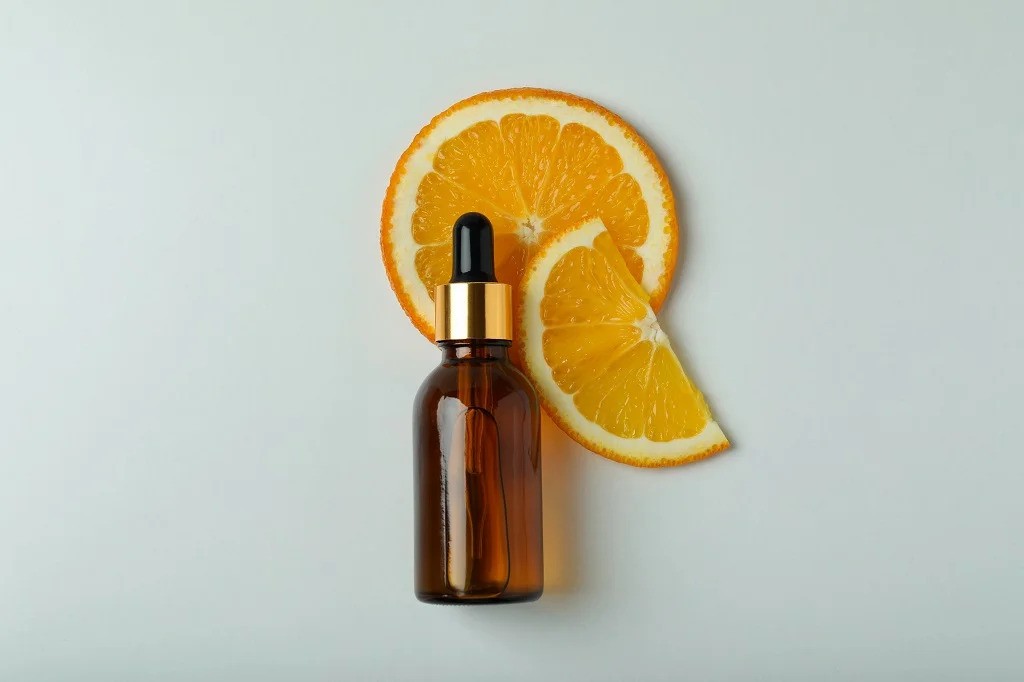
Store in a cool, dark place and choose packaging in opaque or amber bottles to protect from light.
Vitamin C Serum in Pakistan
In Pakistan’s hot climate, antioxidant protection becomes even more valuable. When choosing a vitamin C serum locally:
-
Look for stable derivatives (e.g., SAP, MAP)
-
Avoid products with heavy fragrances
-
Pair with a broad-spectrum sunscreen (SPF 30+)
Pharmacies and cosmetic stores in Lahore, Karachi, Islamabad, and other cities carry internationally trusted brands; always check authenticity and expiry.
You may also learn: "How Does Aging Affect The Skin?"
Conclusion
Vitamin C serum has earned its place as a multifunctional skincare product due to its ability to brighten complexion, support collagen, and defend against environmental damage. Used properly, it can elevate any routine, whether you are fighting dullness, pigmentation, or early signs of aging.
Remember: choose the right formulation for your skin type, pair it with sunscreen, and introduce it gradually for best results.
If you seek expert consultation for any of your skin concerns, you may consult with Pakistan’s leading dermatologists near you by scheduling an appointment with them by visiting www.apkamuaalij.com. For a quick consultation, dial 0423-2377001 and book your doctor's appointment through Apka Muaalij, the best telehealth platform in Pakistan.
Frequently Asked Questions (FAQs)
1. What does vitamin C serum do for skin?
It brightens, supports collagen, reduces pigmentation, and protects against free radicals.
2. How often should I use vitamin C serum?
Once daily, preferably in the morning.
3. Can vitamin C serum cause breakouts?
Sometimes, at first, start with a lower concentration if concerned.
4. Does vitamin C serum lighten dark spots?
Yes, gradually with consistent use over several weeks.
5. Can I use vitamin C with retinol?
Yes, but often at different times (C in the morning, retinol at night) to reduce irritation.
6. Is vitamin C serum good for acne scars?
It helps fade pigmentation but does not remove deep scars.
7. Can vitamin C serum make my skin sensitive to the sun?
Yes, sunscreen is essential when using vitamin C.
8. Is vitamin C safe for sensitive skin?
Choose low-concentration and stable derivatives to reduce irritation.
9. Can I mix vitamin C with hyaluronic acid?
Yes, hyaluronic acid enhances hydration.
10. How long does it take to see results?
Generally, 4–8 weeks of consistent use.
11. Does vitamin C help with wrinkles?
It supports firmness and reduces fine lines over time.
12. Should I store vitamin C serum in the fridge?
Cool storage can help prolong stability and prevent oxidation.
Disclaimer: This article is for general information only and does not replace professional medical advice. Always consult a licensed dermatologist before starting a new skincare product or if you have specific skin conditions. Individual results may vary.

Find & Book the best "Dermatologist" near you
Book Appointment
Dr. Bisma Shehzadi
Dr. Dr. Bisma Shehzadi is a highly experienced specialist based in Lahore, Pakistan with over several years of clinical expertise. Specializing in evidence-based and patient-centered care, they provides advanced treatment tailored to individual needs. Currently available on Apka Muaalij, appointments can be booked at 042-32377001.