

Top 10 Surprising Health Benefits Of Donating Blood

Donating blood is widely known as a life-saving act. What many people don’t realize is that it can also support the donor’s physical and mental well-being in meaningful ways. Beyond helping accident victims, surgical patients, and people with chronic illnesses, regular blood donation offers measurable health insights, potential cardiovascular benefits, and psychological rewards.
This depth-in guide explores the science-backed and lesser-known benefits of donating blood, explains how the process affects your body, and addresses common concerns. Whether you are considering your first donation or becoming a regular donor, understanding these benefits can transform your perspective.
Also read: "Is It Normal To Have Headaches During Fasting?"
Key Takeaways
-
Donating blood provides health insights, emotional benefits, and potential cardiovascular support.
-
Regular donation helps regulate iron levels and may reduce oxidative stress.
-
The process is safe, quick, and includes a free mini health screening.
-
Psychological benefits include reduced stress, improved mood, and a stronger community connection.
-
One donation can save multiple lives while supporting your own wellness.
What Is Blood Donation?
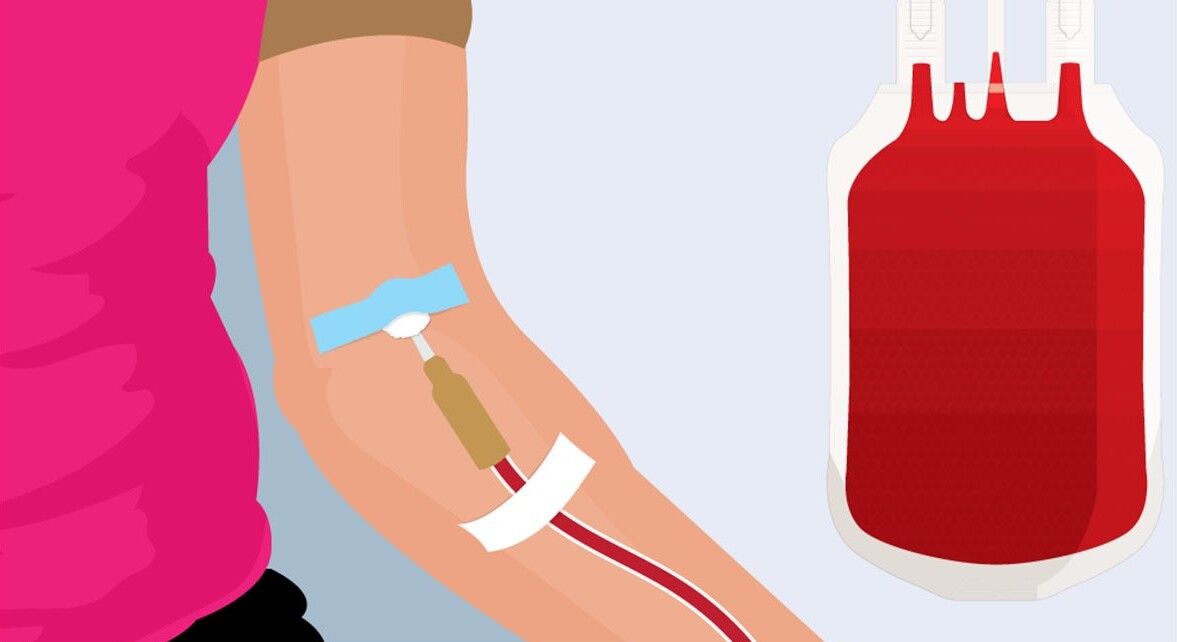
Blood donation is the voluntary process of giving whole blood or specific components such as plasma, platelets, or red cells for medical use. Donated blood is used in surgeries, trauma care, cancer treatment, childbirth complications, and chronic disease management.
A standard whole blood donation removes about 450–500 ml (roughly one pint) and typically takes 8–10 minutes, while the full visit lasts about an hour.
Also read: "Why Am I Gaining Weight Without Eating More?"
Why Blood Donation Matters Beyond Saving Lives
While the primary goal is to help others, research and clinical observations show that donating blood can:
-
Provide early health insights
-
Help regulate iron levels
-
Support heart and vascular health
-
Promote emotional well-being
-
Encourage healthier lifestyle habits
These benefits are not guarantees, but they reflect physiological and psychological responses observed in many regular donors.
Also read: "12 Easy & Effective Home Remedies For Swollen Gums"
10 Health Benefits of Blood Donation for Men & Women
1. Free Mini Health Screening and Early Detection
Before every donation, medical staff perform a quick health check that includes:
-
Pulse rate
-
Body temperature
-
Hemoglobin level
-
Medical history review
-
Infectious disease screening
Why this matters
This screening can reveal early signs of conditions such as:
-
Irregular heart rhythm
-
Undiagnosed infections
Although not a substitute for a full medical exam, this routine check provides a valuable snapshot of your health.
2. Helps Regulate Iron Levels in the Body
Iron is essential for oxygen transport, but excess iron can contribute to oxidative stress and tissue damage.
Your body has no natural way to remove excess iron except through blood loss. A single donation removes approximately 200–250 mg of iron.
Potential benefits of balanced iron levels
-
Reduced oxidative stress
-
Lower inflammation
-
Improved vascular function
-
Reduced risk in people with iron overload disorders such as hemochromatosis
For individuals with hereditary hemochromatosis, therapeutic blood removal is a standard treatment. Donating blood can serve the same purpose while helping others.
Also read: "21 Surprisingly Effective Strategies To Prevent Heart Attack"
3. Potential Cardiovascular Benefits
Some studies suggest that regular blood donation may:
-
Reduce blood viscosity (thickness)
-
Improve circulation
-
Lower iron-related oxidative damage
-
Reduce clotting risk in certain individuals
Thicker blood can increase strain on the heart and contribute to clot formation. Lower viscosity supports smoother blood flow.
Important nuance
Research findings are mixed. Blood donation is not a treatment for heart disease, but maintaining balanced iron levels and healthy blood viscosity may contribute to cardiovascular health in some donors.
4. May Reduce Harmful Environmental Toxins (Emerging Research)
Recent studies have explored the role of blood and plasma donation in reducing levels of PFAS (per- and polyfluoroalkyl substances), often called “forever chemicals.” These compounds accumulate in the body through contaminated water, food packaging, and industrial exposure.
What research suggests
-
Regular plasma donation showed a significant PFAS reduction
-
Whole blood donation also contributed to measurable declines
This area is still under investigation, but early findings suggest donation may help lower certain persistent environmental toxins.
5. Burns Calories During Blood Regeneration
After donation, your body works to restore lost blood volume and red cells. This regeneration process requires energy.
Estimated energy expenditure
-
Approximately 450–650 calories are used during recovery
This is not a weight-loss strategy, but it reflects the metabolic effort your body makes to replenish blood components.
6. Boosts Mental and Emotional Well-Being
Altruistic behavior is strongly linked to improved mental health. Donors often report:
-
Reduced stress
-
Increased sense of purpose
-
Improved mood
-
Stronger community connection
Helping others triggers the release of endorphins and oxytocin, sometimes called the “helper’s high.”
Longevity connection
Volunteerism and community engagement have been associated with longer life expectancy in multiple population studies. Blood donation is a structured, meaningful way to participate in community care.
Also read: "9 Folic Acid Benefits, Usage, Importance, & More"
7. Encourages Healthier Lifestyle Choices
Regular donors often adopt healthier habits to maintain eligibility, including:
-
Eating iron-rich foods
-
Staying hydrated
-
Maintaining a healthy weight
-
Avoiding risky behaviors
-
Monitoring medications and health conditions
These behaviors contribute to long-term wellness beyond the donation itself.
8. Builds Community Connection and Social Impact
Blood donation fosters a sense of belonging and civic responsibility. Donors become part of a life-saving network that supports:
-
Maternal health
-
Cancer treatment
-
Disaster response
Knowing your contribution can save multiple lives strengthens community bonds, and bring personal fulfillment.
9. Supports Medical Research and Public Health
Some donated blood that cannot be used clinically contributes to:
-
Disease research
-
Blood safety improvements
-
Development of new treatments
-
Epidemiological monitoring
This expands the impact of your donation beyond immediate transfusions.
10. Safe Process With Minimal Risks
Modern blood donation follows strict safety measures:
-
Sterile, single-use needles
-
Medical screening
-
Post-donation monitoring
-
Infection testing
Common mild side effects
-
Lightheadedness
-
Bruising at the needle site
-
Temporary fatigue
Serious complications are rare in healthy donors.
Also, go through: "Top 10 Ways To Boost Your Immune System: Doctor-Recommended Tips"
Blood Donation Types and Their Unique Benefits
|
Donation Type |
What Is Collected |
Duration |
Unique Benefits |
|
Whole Blood |
Red cells, plasma, platelets |
30–60 min |
Most common; helps trauma and surgery patients |
|
Plasma |
Plasma only |
60–90 min |
Supports burn victims and immune disorders |
|
Platelets |
Platelets |
90–120 min |
Critical for cancer and chemotherapy patients |
|
Double Red Cells |
Extra red cells |
60–90 min |
Helps severe anemia and trauma cases |
How Often Can You Donate?
General guidelines:
-
Whole blood: every 8 weeks
-
Platelets: every 7 days (up to 24 times/year)
-
Plasma: every 2–4 weeks (varies by region)
Always follow local health authority recommendations.
Who Should Not Donate Blood?
You should avoid donating if you:
-
Have active infections
-
Are severely anemic
-
Recently underwent major surgery
-
Have certain chronic illnesses
-
Are pregnant
-
Engage in high-risk behaviors affecting blood safety
Consult a healthcare professional if unsure.
Also read: "Walking Vs Running: Which Is Better For Human Health?"
Common Misconceptions About Blood Donation
Myth: Donating blood weakens your body
Healthy adults replenish blood quickly. Most people resume normal activities within a day.
Myth: It’s painful and dangerous
The needle prick is brief, and strict safety protocols make donation very safe.
Myth: You can catch diseases from donating
All equipment is sterile and single-use, eliminating infection risk.
Myth: Only rare blood types are needed
All blood types are essential for a stable supply.
How to Prepare for Blood Donation

Before donating
-
Drink extra water
-
Eat a balanced meal
-
Avoid alcohol for 24 hours
-
Get adequate sleep
-
Wear comfortable clothing
After donating
-
Rest for 10–15 minutes
-
Eat the provided snacks
-
Stay hydrated
-
Avoid heavy exercise for 24 hours
Also read: "How Does Detox Water Benefit You To Boost Your Health & Body?"
Need Healthcare Assistance?
Our expert healthcare professionals, including the best hematologists and pathologists near you in Pakistan, are here to support you. If you have specific health concerns or queries, Apka Muaalij encourages you to consult your qualified specialists. Book an online video consultation or call 042-32377001.
Frequently Asked Questions (FAQs)
Does donating blood lower blood pressure?
Some studies suggest modest reductions in blood pressure among regular donors, possibly due to reduced blood viscosity and iron levels. However, blood donation is not a treatment for hypertension. Individuals with high blood pressure should follow medical advice and donate only if cleared by a healthcare professional.
How long does it take for the body to replace donated blood?
Plasma volume is restored within 24–48 hours. Red blood cells typically take 4–6 weeks to fully replenish. This is why whole blood donation intervals are usually set at 8 weeks to ensure safe recovery.
Can donating blood improve cholesterol levels?
Evidence is mixed. Some research suggests improved lipid profiles due to reduced oxidative stress, while other studies show minimal change. Blood donation should not be considered a cholesterol treatment, but may support overall metabolic balance.
Is blood donation safe for first-time donors?
Yes. Healthy first-time donors are carefully screened and monitored. Most experience only mild effects such as slight fatigue or dizziness, which resolve quickly with rest and hydration.
Does blood donation help with iron overload?
Yes. For individuals with iron overload conditions like hereditary hemochromatosis, controlled blood removal is a standard treatment. Donating blood helps lower excess iron while benefiting recipients.
Can donating blood reduce cancer risk?
Some observational studies link lower iron levels with reduced oxidative stress, which may influence cancer risk. However, evidence is not conclusive, and donation should not be viewed as cancer prevention.
Why do I feel tired after donating blood?
Temporary fatigue occurs because your body is adjusting to reduced blood volume and starting regeneration. Proper hydration, nutrition, and rest usually resolve symptoms within a day.
Can women donate blood during menstruation?
Yes, if they feel well and meet hemoglobin requirements. However, those with heavy menstrual bleeding or anemia should consult a healthcare professional before donating.
Is donating blood good for mental health?
Yes. Altruistic acts like blood donation are associated with reduced stress, improved mood, and a stronger sense of purpose, contributing to overall emotional well-being.
How much blood is taken during donation?
A standard whole blood donation collects about one pint (450–500 ml), which is roughly 8–10% of an adult’s total blood volume. The body replaces this safely within weeks.
Disclaimer: This article is for educational purposes only and does not replace professional medical advice. Always consult a qualified healthcare provider before donating blood, especially if you have medical conditions, take medications, or have concerns about eligibility.

Find & Book the best "Pathologist" near you
Book Appointment