

Is It Normal To Have Headaches During Fasting?
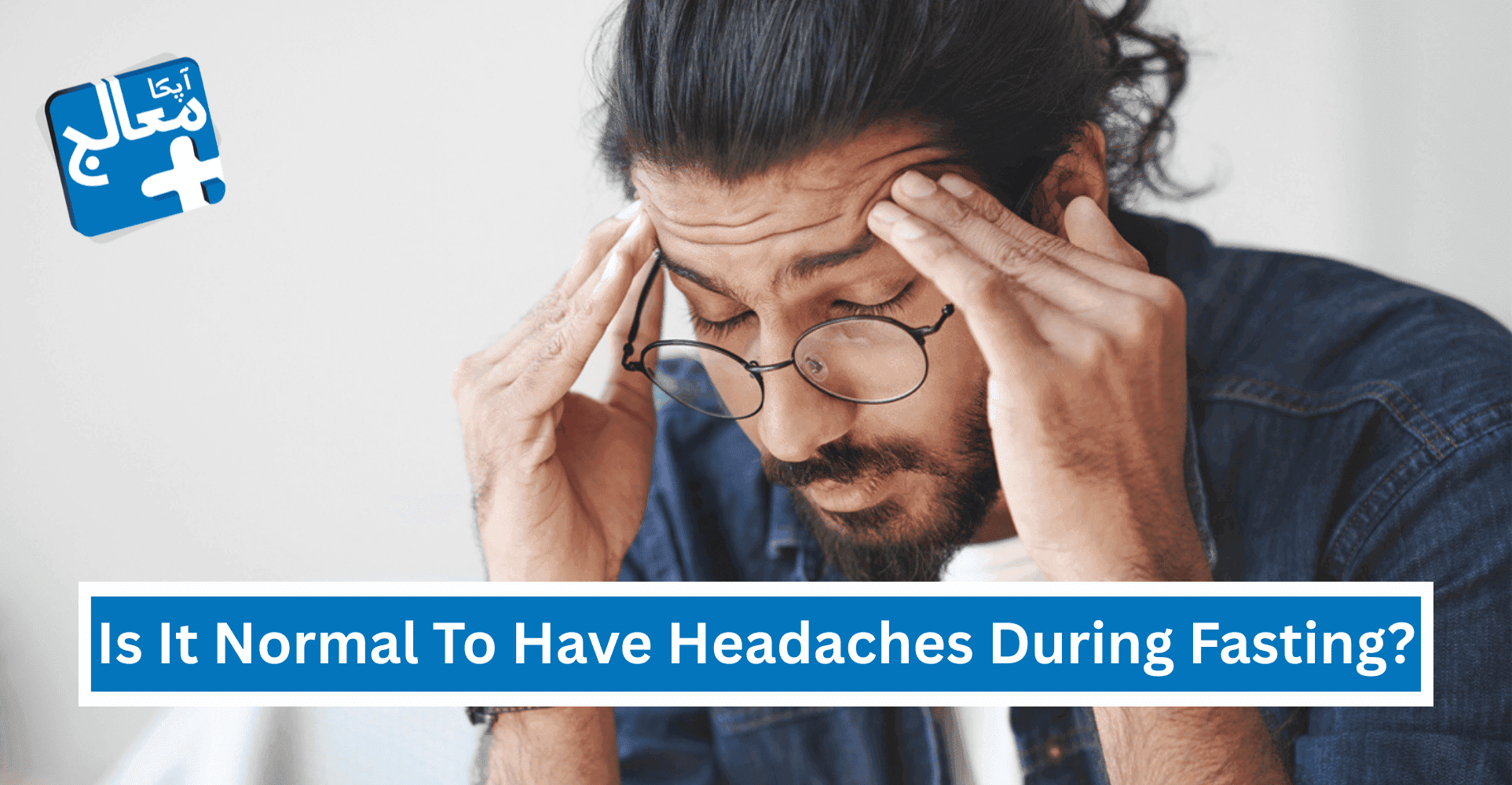
Fasting is a deeply spiritual practice observed by millions of Muslims worldwide, especially during the month of Ramadan. While it offers profound spiritual benefits and growing scientific recognition for its health advantages, many people experience physical symptoms, with headaches being among the most common.
If you have ever wondered whether fasting headaches are normal, what causes them, and how to prevent them without compromising your fast, this comprehensive guide provides clear answers rooted in medical insight, research, and spiritual understanding.
Are Headaches During Fasting Normal?

Yes, headaches during fasting are common and generally considered normal, especially in the first few days of fasting or when the body is adjusting to changes in eating, hydration, and sleep patterns.
Medical literature refers to this condition as a “fasting headache.”
According to The Journal of Head and Face Pain:
"Fasting headaches often occur after 8 to 16 hours without food and are typically mild to moderate in intensity."
Most fasting-related headaches are temporary and resolve once the body adapts or after breaking the fast.
Why Do Headaches Happen During Fasting?

Headaches during fasting are usually caused by a combination of physiological and lifestyle factors.
1. Dehydration
One of the most common causes is dehydration. When you fast, especially in warm climates, reduced fluid intake can lead to decreased blood volume and electrolyte imbalance, triggering headaches.
Dr. Ayesha Khan, a nutrition specialist in Islamabad, explains:
“Even mild dehydration can reduce blood flow to the brain, which may lead to headaches, fatigue, and dizziness during fasting.”
2. Caffeine Withdrawal
If you regularly consume tea, coffee, or caffeinated beverages, sudden withdrawal during fasting can cause headaches.
Symptoms of caffeine withdrawal include:
-
Throbbing headaches
-
Irritability
-
Fatigue
-
Difficulty concentrating
These symptoms usually improve within a few days.
3. Low Blood Sugar (Hypoglycemia)
Fasting reduces glucose levels, especially if suhoor is skipped or lacks complex carbohydrates. The brain relies on glucose for energy, and low levels can trigger headaches.
4. Sleep Disruption
Changes in sleep patterns due to late-night prayers and early suhoor meals can contribute to headaches.
Research from Harvard Medical School shows that sleep deprivation can increase headache frequency and intensity.
5. Stress and Hormonal Changes
Stress, changes in cortisol levels, and altered daily routines during fasting can also play a role.
Types of Headaches Associated With Fasting
Understanding the type of headache can help determine the cause and solution.
|
Type |
Symptoms |
Likely Cause |
|
Dehydration headache |
Dull pain, dizziness |
Low fluid intake |
|
Caffeine withdrawal |
Throbbing pain |
Sudden caffeine stop |
|
Tension headache |
Tight band sensation |
Stress, poor posture |
|
Migraine trigger |
Severe nausea, light sensitivity |
Sleep disruption, hunger |
If you experience severe or persistent headaches, consult a healthcare professional.
When Do Fasting Headaches Usually Occur?
Fasting headaches commonly occur:
-
Late afternoon before iftar
-
First few days of Ramadan
-
After skipping suhoor
-
During hot weather
A study in the Journal of Clinical Neuroscience found that fasting headaches peak just before sunset when dehydration and low glucose levels are most pronounced.
Islamic Perspective on Physical Hardship During Fasting
Islam recognizes that fasting may bring temporary physical discomfort, yet emphasizes ease and compassion.
The Qur’an states:
“Allah intends for you ease and does not intend for you hardship.” - Surah Al-Baqarah (2:185)
This verse reassures believers that Islam does not seek to harm health. If fasting causes serious illness, exemptions are permitted.
The Prophet Muhammad ﷺ said:
“Make things easy and do not make them difficult.” - Sahih Bukhari
This guidance encourages balanced practice and prioritizing health.
Biblical Perspective on Fasting and Physical Weakness
Fasting is also practiced in Christianity, where physical weakness during fasting is acknowledged.
“My flesh and my heart may fail, but God is the strength of my heart.” - Psalm 73:26
This reflects the spiritual resilience sought through fasting, even when physical discomfort occurs.
Who Is More Likely to Experience Fasting Headaches?
Some individuals are more prone to fasting headaches.
Higher Risk Groups
-
Regular caffeine consumers
-
People prone to migraines
-
Individuals with anemia
-
Those who skip suhoor
-
People working outdoors in the heat
-
Individuals with poor sleep routines
If you fall into these groups, preventive measures are especially important.
How to Prevent Headaches While Fasting

Preventing fasting headaches involves hydration, nutrition, and lifestyle adjustments.
1. Stay Hydrated Between Iftar and Suhoor
Aim for 8 to 10 glasses of water during non-fasting hours. Spread intake evenly instead of drinking large amounts at once.
2. Eat a Balanced Suhoor
Include:
-
Complex carbohydrates such as oats and whole grains
-
Protein such as eggs, yogurt, or lentils
-
Healthy fats such as nuts and seeds
These foods provide sustained energy and prevent blood sugar crashes.
3. Reduce Caffeine Gradually Before Ramadan
Cut down caffeine 1 to 2 weeks before fasting to minimize withdrawal headaches.
4. Maintain a Consistent Sleep Schedule
Try to get 6 to 8 hours of sleep in total. Short naps can help compensate for disrupted nighttime sleep.
5. Avoid Salty and Sugary Foods
High salt intake increases dehydration, while sugary foods cause rapid blood sugar spikes followed by crashes.
6. Manage Stress
Gentle activities such as deep breathing, light walking, and prayer help reduce tension headaches.
What to Do If You Get a Headache While Fasting
If a headache occurs during fasting, consider these strategies.
Non-Medication Relief
-
Rest in a cool, quiet place
-
Apply a cold compress to the forehead
-
Practice deep breathing
-
Avoid bright light and screens
After Iftar
-
Rehydrate gradually
-
Eat balanced meals
-
Take doctor-approved pain relief if necessary
Avoid self-medicating without medical guidance.
When Is a Fasting Headache a Concern?
While most fasting headaches are harmless, some symptoms require medical attention.
Seek Medical Advice If You Experience:
-
Severe or persistent headaches
-
Vision problems
-
Confusion or fainting
-
Migraine with neurological symptoms
-
Signs of severe dehydration
According to the Mayo Clinic, severe headaches accompanied by neurological symptoms may indicate underlying conditions.
Scientific Insights on Fasting and Headaches
Research shows that fasting headaches are linked to metabolic changes.
A study published by the University of Oxford notes that changes in glucose metabolism and hydration levels are primary contributors to fasting-related headaches.
The good news is that most individuals adapt within a few days.
Can Fasting Headaches Have Benefits?
Interestingly, fasting can reduce migraine frequency in some individuals once the body adapts.
Some studies suggest that metabolic switching during fasting may reduce inflammation and improve neurological health over time.
However, this varies by individual and should not replace medical treatment.
Bottom Line
Headaches during fasting are common and usually temporary, often caused by dehydration, caffeine withdrawal, low blood sugar, or sleep disruption. With proper hydration, balanced meals, gradual caffeine reduction, and adequate rest, most fasting headaches can be prevented or minimized. Islam emphasizes ease and compassion, allowing flexibility when health is at risk. By caring for your body while observing spiritual practices, you can experience the full benefits of fasting with greater comfort and mindfulness.
Our expert healthcare professionals, including the best general physicians near you in Pakistan, are here to support you. If you have specific health concerns or queries, Apka Muaalij encourages you to consult your qualified specialists. Book an online video consultation or call 042-32377001.
Frequently Asked Questions (FAQs)
Is it sinful to break a fast due to a severe headache?
If the headache poses a serious health risk, Islam permits breaking the fast and making it up later.
How long do fasting headaches last?
They typically last a few hours and often disappear after iftar or once the body adapts.
Does dehydration always cause fasting headaches?
Not always, but it is one of the most common triggers.
Can I take painkillers while fasting?
Oral medications break the fast. Consult a scholar and doctor for guidance.
Why do headaches occur before iftar?
Low blood sugar and dehydration peak late in the day.
Can skipping suhoor cause headaches?
Yes. Skipping suhoor increases the risk of low glucose and dehydration.
Are migraines worsened by fasting?
They can be triggered by fasting in some individuals, especially due to sleep and caffeine changes.
Does tea at suhoor help prevent headaches?
It may prevent caffeine withdrawal, but it can contribute to dehydration.
Can children get fasting headaches?
Yes, but children are not required to fast before puberty.
Are headaches a sign that my fast is invalid?
No. Headaches do not affect the validity of a fast.
Does the weather affect fasting headaches?
Hot weather increases dehydration risk, making headaches more likely.
Can anemia cause fasting headaches?
Yes. Low iron levels reduce oxygen delivery to the brain.
Should I exercise while fasting if I get headaches?
Light activity is fine, but avoid strenuous exercise that increases dehydration.
Do electrolyte drinks help?
They can help after iftar, but choose low-sugar options.
Will my body adjust over time?
Yes. Most people adapt within several days.
Disclaimer: This article is for informational purposes only and does not substitute professional medical advice. Consult a qualified healthcare provider if you experience severe or persistent headaches, underlying medical conditions, or concerns about fasting and your health.

Find & Book the best "General Physician" near you
Book Appointment
Dr. Bisma Shehzadi
Dr. Dr. Bisma Shehzadi is a highly experienced specialist based in Lahore, Pakistan with over several years of clinical expertise. Specializing in evidence-based and patient-centered care, they provides advanced treatment tailored to individual needs. Currently available on Apka Muaalij, appointments can be booked at 042-32377001.