

Pollen Allergy In Pakistan: Types, Causes, Symptoms, Treatments & More

Every year, as spring approaches, cities like Lahore, Islamabad, and Peshawar experience thousands of people who begin to experience sneezing, itchy eyes, and breathing discomfort. For many, this isn’t just a seasonal nuisance. It is a pollen allergy, medically known as seasonal allergic rhinitis.
In Pakistan, pollen allergy is not only common but increasingly severe due to urbanization, air pollution, and climate change. Lahore, in particular, is often cited among the worst-affected cities during peak pollen season, with hospitals reporting spikes in respiratory cases.
This guide goes beyond basic definitions. It explains how pollen allergy works, why it is so intense in Pakistan, what symptoms to watch for, and the most effective treatments backed by clinical evidence. Whether you are newly experiencing symptoms or struggling with long-term allergic rhinitis, this article is designed to give you clarity, control, and practical solutions.
Struggling with sneezing, itchy eyes, or breathing issues this season?
👉 Book an online consultation with a certified allergy specialist today and get personalized treatment.
Key Takeaways
-
Pollen allergy is a widespread seasonal condition in Pakistan, especially during spring
-
Paper mulberry trees are a major contributor to severe pollen outbreaks
-
Symptoms include sneezing, congestion, itchy eyes, and respiratory issues
-
Diagnosis involves skin tests or blood tests for IgE antibodies
-
Treatments range from antihistamines to long-term immunotherapy
-
Prevention focuses on reducing exposure and managing environmental triggers
What Is a Pollen Allergy?

Pollen allergy occurs when the immune system mistakenly identifies pollen as harmful and releases chemicals like histamine, causing symptoms such as sneezing, a runny nose, itchy eyes, and congestion.
When inhaled, pollen interacts with the lining of your nose, eyes, or lungs. In allergic individuals, the immune system overreacts, leading to inflammation and classic allergy symptoms.
Also read: "15 Warning Signs Of Inflammation: Causes, Treatments & Remedies"
Why Pollen Allergy Is So Common in Pakistan
Pakistan’s environment creates a perfect storm for pollen allergies. Several overlapping factors contribute to its high prevalence:
1. High Pollen-Producing Plants
The widespread plantation of paper mulberry trees (locally known as “Broussonetia papyrifera”) is a major cause. These trees release massive amounts of pollen, especially in spring.
2. Urban Air Pollution
Air pollutants such as PM2.5 and nitrogen dioxide can worsen allergic responses. Research published in journals like The Lancet Planetary Health shows pollution can increase pollen allergenicity.
3. Climate Conditions
Pakistan’s dry, windy spring season allows pollen to travel long distances, increasing exposure.
4. Rapid Urbanization
Dense populations and reduced green planning lead to higher pollen concentration in confined areas.
5. Genetic Susceptibility
Family history plays a role. If your parents have allergies, your risk is significantly higher.
Types of Pollen Allergies
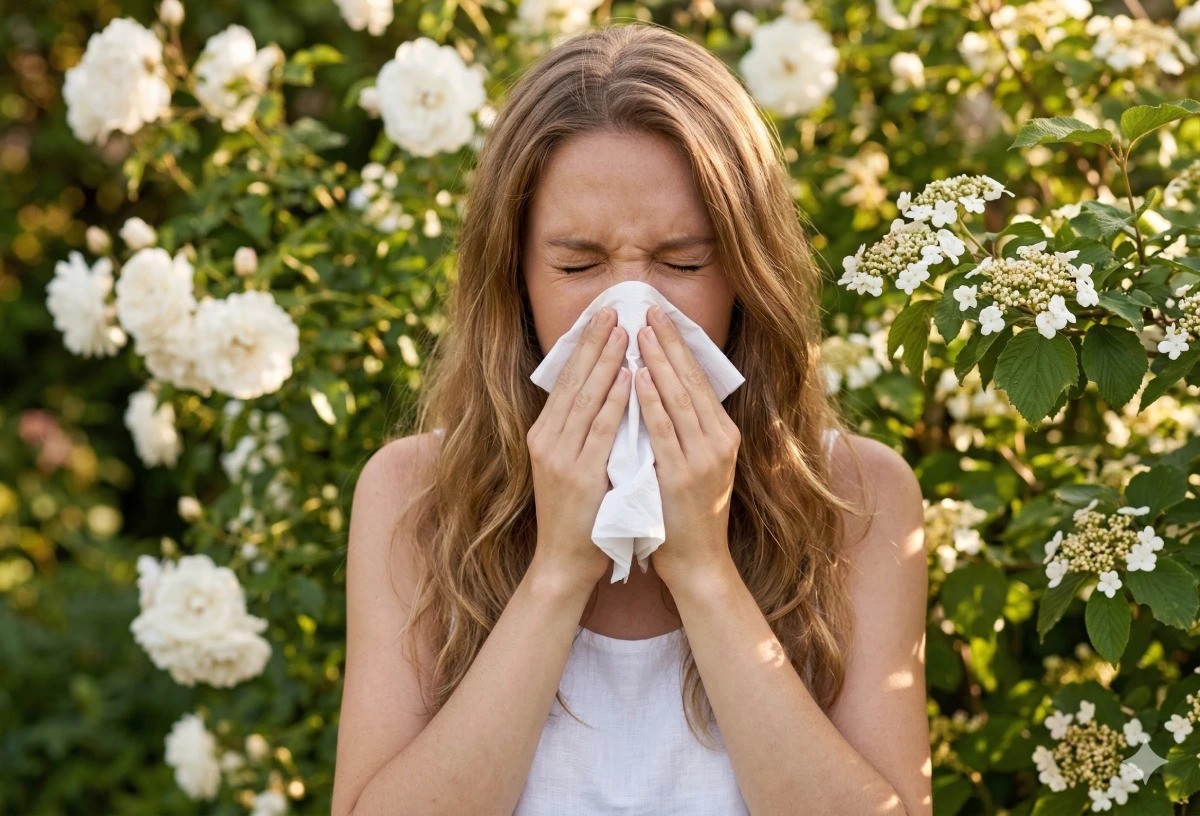
Pollen allergies are categorized based on the plant source. Each type has its own seasonal pattern.
1. Tree Pollen Allergy
-
Most common in early spring (February to April)
-
Major culprits in Pakistan:
-
Paper mulberry
-
Oak
-
Eucalyptus
-
Pine
-
Tree pollen is often the first trigger of the allergy season and tends to cause severe reactions.
2. Grass Pollen Allergy
-
Peak season: Late spring to early summer
-
Common grasses:
-
Bermuda grass
-
Timothy grass
-
Ryegrass
-
Grass pollen is lightweight and spreads easily through the air, even from distant areas.
3. Weed Pollen Allergy
-
Peak season: Late summer to autumn
-
Common weeds:
-
Ragweed (less common in Pakistan but emerging)
-
Mugwort
-
Pigweed
-
Weed pollen can extend allergy symptoms beyond spring, especially in rural areas.
Also, go through: "How Stress Affects Gut Health: 7 Conditions + Proven Ways To Fix"
Pollen Calendar in Pakistan (Approximate)
|
Season |
Main Pollen Type |
Peak Months |
Risk Level |
|
Late Winter |
Tree pollen |
Feb – March |
High |
|
Spring |
Tree + Grass |
March – April |
Very High |
|
Early Summer |
Grass pollen |
May – June |
Moderate |
|
Autumn |
Weed pollen |
Aug – Oct |
Low–Moderate |
Lahore often records extreme pollen counts exceeding 40,000 grains per cubic meter during peak season, according to local environmental monitoring agencies.
Causes of Pollen Allergy
Understanding the root cause helps in better management.
Immune System Overreaction
The primary cause is an exaggerated immune response. When pollen enters the body:
-
The immune system identifies it as harmful
-
Produces Immunoglobulin E (IgE) antibodies
-
Releases histamine and other chemicals
-
Triggers inflammation and symptoms
Contributing Factors
-
Genetic predisposition
-
Environmental pollution
-
Weak immune regulation
-
Repeated exposure to allergens
Common Symptoms of Pollen Allergy
Symptoms can range from mild irritation to severe respiratory distress.
Nasal Symptoms
-
Sneezing (often in bursts)
-
Runny nose (clear discharge)
-
Nasal congestion
Eye Symptoms
-
Redness
-
Itching
-
Watery eyes
Throat and Respiratory Symptoms
-
Scratchy throat
-
Dry cough
-
Wheezing (in severe cases)
Skin and General Symptoms
-
Fatigue
-
Headache
-
Dark circles under eyes (allergic shiners)
When It Becomes Serious
Pollen allergy can lead to:
-
Allergic asthma
-
Sinus infections
-
Reduced quality of life
According to the World Allergy Organization, allergic rhinitis affects up to 30% of the global population, with rising trends in South Asia.
Experiencing these symptoms? Don’t ignore them.
👉 Talk to a doctor now and confirm whether it’s a pollen allergy or something more serious.
Also read: "Why Is My Heart Beating So Fast While Resting? Causes, Symptoms, More"
Pollen Allergy vs Cold: Key Differences
|
Feature |
Pollen Allergy |
Common Cold |
|
Cause |
Allergens (pollen) |
Viral infection |
|
Fever |
Rare |
Common |
|
Duration |
Weeks/months |
5–10 days |
|
Nasal discharge |
Clear |
Thick/yellowish |
|
Sneezing |
Frequent |
Occasional |
|
Itchy eyes |
Common |
Rare |
Not sure if it’s a cold or an allergy?
👉 Get a quick diagnosis online in minutes with our expert doctors.
How Pollen Allergy Is Diagnosed
1. Medical History
Doctors assess symptom patterns and seasonal triggers.
2. Skin Prick Test
Small amounts of allergens are applied to the skin to check reactions.
3. Blood Test (IgE Test)
Measures specific antibodies to identify allergens.
Diagnosis should always be done by a qualified allergist.
Need accurate allergy testing?
👉 Book a skin prick test or IgE blood test at a trusted lab near you.
Effective Treatments for Pollen Allergy
Treatment depends on severity, frequency, and individual response.
1. Medications
Antihistamines
-
Reduce sneezing and itching
-
Examples: cetirizine, loratadine
Nasal Corticosteroids
-
Reduce inflammation
-
Highly effective for nasal symptoms
Decongestants
-
Provide temporary relief from congestion
-
Not recommended for long-term use
Leukotriene Inhibitors
-
Help control inflammation in severe cases
2. Immunotherapy (Allergy Shots)
A long-term solution that gradually trains the immune system to tolerate pollen.
-
Duration: 1–3 years
-
Can significantly reduce symptoms
-
Recommended for severe or persistent allergies
Studies in journals like The Journal of Allergy and Clinical Immunology support immunotherapy as an effective long-term treatment.
3. Home Remedies and Lifestyle Changes
While not a cure, these can reduce symptom severity:
-
Stay indoors during high pollen hours (morning)
-
Use HEPA filters
-
Shower after outdoor exposure
-
Wear masks outdoors
-
Keep windows closed
You may also read: "Early Signs Of Colon Cancer: Symptoms You Should Never Ignore"
How to Prevent Pollen Allergy in Pakistan
Complete prevention is not possible, but exposure can be minimized.
Practical Prevention Tips
-
Monitor daily pollen counts (available via weather apps)
-
Avoid outdoor activity during peak pollen times
-
Use sunglasses to protect your eyes
-
Wash clothes after coming indoors
-
Keep indoor air clean
Pollen Allergy and Asthma: A Critical Link
Pollen can trigger asthma attacks in sensitive individuals.
Warning Signs
-
Shortness of breath
-
Chest tightness
-
Wheezing
If you have asthma, managing pollen exposure is essential. The Global Initiative for Asthma (GINA) emphasizes allergen control as a key strategy.
Impact of Climate Change on Pollen Allergies
Climate change is intensifying pollen seasons.
-
Longer flowering periods
-
Higher pollen production
-
Increased allergen potency
Research from institutions like Harvard Medical School indicates rising CO₂ levels can increase pollen counts significantly.
You may also read: "Can Intermittent Fasting Reverse Fatty Liver?"
Need Healthcare Assistance?
Our expert healthcare professionals, including the best allergy specialists or allergy and immunology specialists in Lahore, Karachi, Islamabad, and across Pakistan, are here to support you. If you have specific health concerns, queries, or lab tests, Apka Muaalij encourages you to consult your qualified specialists. Book an online video consultation or call 042-32377001.
Consult with the Top Allergy Specialists Near You
Frequently Asked Questions (FAQs)
What triggers pollen allergy in Pakistan?
Tree pollen, especially from paper mulberry, is the primary trigger, along with grasses and weeds, during different seasons.
When is pollen season in Pakistan?
Peak season is February to April, especially in cities like Lahore, where pollen counts can become extremely high.
Can pollen allergy be cured permanently?
There is no complete cure, but immunotherapy can significantly reduce or even eliminate symptoms over time.
How do I know if I have a pollen allergy or the flu?
Allergies cause itching and sneezing without fever, while the flu includes fever, body aches, and fatigue.
Is pollen allergy dangerous?
Usually not life-threatening, but it can lead to asthma attacks or chronic sinus issues if untreated.
Which medicine is best for pollen allergy?
Antihistamines and nasal corticosteroids are commonly effective, but treatment should be personalized by a doctor.
Can children develop pollen allergy?
Yes, especially if there is a family history of allergies.
Does wearing a mask help with pollen allergy?
Yes, masks can significantly reduce inhalation of pollen particles outdoors.
Can diet affect pollen allergy?
Some people experience oral allergy syndrome with certain fruits, but diet alone does not cause pollen allergy.
Is pollen allergy increasing in Pakistan?
Yes, due to pollution, climate change, and urban expansion.
Disclaimer: This article is for informational and educational purposes only. It does not replace professional medical advice, diagnosis, or treatment. Always consult a qualified healthcare provider or allergist for personalized care, especially if symptoms are severe or persistent.

Find & Book the best "Allergy Specialist" near you
Book Appointment