

Why Is My Heart Beating So Fast While Resting? Causes, Symptoms, More

A fast heartbeat while resting can feel alarming. Many people notice their heart suddenly racing while sitting, lying down, or trying to relax. In some cases, it feels like pounding, fluttering, or skipping beats.
Occasional episodes are often harmless and linked to stress, caffeine, dehydration, or temporary hormonal changes. However, a persistently fast resting heart rate can sometimes signal an underlying health condition such as anemia, thyroid disorders, or a heart rhythm problem.
Understanding what a fast resting heartbeat means is important because the causes range from normal body responses to conditions that require medical attention.
This comprehensive guide explains why your heart may beat fast at rest, what symptoms to watch for, and when to seek medical care.
Key Takeaways
-
A normal resting heart rate for adults is typically 60 to 100 beats per minute.
-
Occasional rapid heartbeat at rest is often triggered by stress, caffeine, dehydration, or illness.
-
Medical conditions such as anemia, thyroid disorders, or arrhythmias can also cause persistent tachycardia.
-
Warning symptoms include chest pain, fainting, severe dizziness, or shortness of breath.
-
Lifestyle changes like stress management, hydration, sleep, and reducing stimulants often improve symptoms.
-
Persistent or unexplained rapid heart rate should be evaluated by a healthcare professional.
What Does It Mean If Your Heart Beats Fast While Resting?
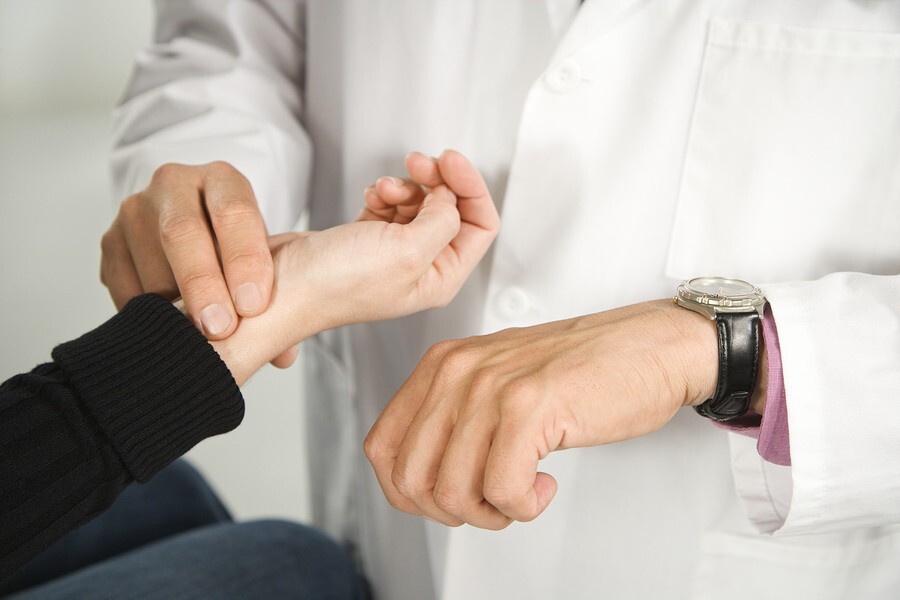
A fast heartbeat at rest usually refers to a resting heart rate above 100 beats per minute (BPM) in adults. In medical terms, this is called tachycardia.
A normal resting heart rate for most adults ranges between:
|
Category |
Typical Resting Heart Rate |
|
Well-trained athletes |
40–60 BPM |
|
Healthy adults |
60–100 BPM |
|
Possible tachycardia |
Over 100 BPM |
According to the American Heart Association, temporary increases in heart rate are common during stress, illness, or physical exertion. However, when the heart beats too quickly at rest without a clear reason, it may indicate a physiological trigger or medical condition.
How the Heart Normally Controls Your Heartbeat
Your heart rhythm is controlled by a specialized group of cells called the sinoatrial (SA) node, often referred to as the heart’s natural pacemaker.
The SA node sends electrical signals that regulate when your heart contracts. These signals travel through the heart muscle in a coordinated pattern, allowing the chambers to pump blood efficiently.
Several body systems influence this process:
-
Autonomic nervous system (stress response)
-
Hormones such as adrenaline
-
Electrolytes like potassium and sodium
-
Oxygen levels in the blood
When any of these factors change, your heart rate may increase temporarily. This is why emotional stress, dehydration, or illness can cause your heart to beat faster even when you are resting.
Common Symptoms of a Fast Heartbeat at Rest
Some people feel their heart racing clearly, while others notice additional symptoms.
Common sensations include:
-
Heart pounding or racing
-
Fluttering or a flip-flop feeling in the chest
-
Skipped or irregular beats
-
Pulse pounding in the neck or throat
Other accompanying symptoms may include:
-
Shortness of breath
-
Lightheadedness
-
Fatigue
-
Anxiety or restlessness
-
Chest discomfort
In some cases, people may not notice symptoms until a wearable device or medical exam detects a high heart rate.
10 Common Reasons Your Heart Is Beating Fast While Resting
A rapid heartbeat can happen for many reasons. Some are temporary and harmless, while others require medical evaluation.
1. Stress and Anxiety
Stress is one of the most common causes of a fast resting heartbeat.
When your body perceives danger or emotional tension, the adrenal glands release adrenaline, triggering the fight-or-flight response. This hormone increases heart rate, blood pressure, and breathing.
Common stress triggers include:
-
Emotional distress
-
Panic attacks
-
Work pressure
-
Sleep deprivation
Chronic stress can keep your nervous system in a heightened state, causing repeated episodes of heart palpitations.
2. Too Much Caffeine
Caffeine is a stimulant that directly affects the central nervous system.
Large amounts of caffeine can cause:
-
Increased heart rate
-
Nervousness
-
Tremors
-
Difficulty sleeping
The U.S. Food and Drug Administration notes that up to 400 mg of caffeine per day is generally safe for most adults. However, sensitivity varies widely.
Caffeine sources include:
-
Coffee
-
Energy drinks
-
Tea
-
Soda
-
Pre-workout supplements
Even moderate amounts can trigger palpitations in sensitive individuals.
3. Dehydration
When your body lacks enough fluids, blood volume decreases. As a result, your heart must pump faster to maintain blood circulation.
Symptoms of dehydration include:
-
Dry mouth
-
Dizziness
-
Fatigue
-
Rapid pulse
Hydration often resolves this type of temporary tachycardia quickly.
4. Fever or Infection
When your body fights an infection, your metabolism speeds up.
For every 1°C increase in body temperature, heart rate can rise by approximately 10 beats per minute, according to research published in the Journal of Intensive Care Medicine.
Fever, viral illness, and inflammation can all trigger this response.
5. Low Blood Sugar
Low blood sugar, also called hypoglycemia, can stimulate the release of adrenaline.
This causes symptoms such as:
-
Rapid heartbeat
-
Sweating
-
Shaking
-
Hunger
-
Anxiety
People with diabetes or those who skip meals are particularly susceptible.
6. Hormonal Changes
Hormones influence heart rhythm significantly.
Situations that may increase heart rate include:
-
Pregnancy
-
Menopause
-
Menstrual cycle changes
-
Thyroid disorders
An overactive thyroid (hyperthyroidism) increases metabolism and can cause a persistent, rapid heart rate, weight loss, and heat intolerance.
7. Anemia
Anemia occurs when your blood lacks enough healthy red blood cells to carry oxygen.
To compensate, the heart pumps faster to deliver oxygen throughout the body.
Symptoms of anemia may include:
-
Rapid heartbeat
-
Fatigue
-
Pale skin
-
Shortness of breath
Iron deficiency anemia is one of the most common causes worldwide.
8. Certain Medications
Several medications may increase heart rate as a side effect.
Examples include:
-
Asthma inhalers
-
Decongestants
-
Some antidepressants
-
Thyroid medications
-
Certain blood pressure drugs
Always consult a healthcare professional if you suspect a medication is affecting your heart rate.
9. Alcohol, Nicotine, and Stimulants
Substances that stimulate the nervous system can raise the heart rate.
These include:
-
Alcohol
-
Cigarettes
-
Vaping products
-
Illicit stimulants such as cocaine or amphetamines
A large meta-analysis involving more than 10 million participants found that alcohol consumption increases the risk of atrial fibrillation, a common heart rhythm disorder.
10. Heart Rhythm Disorders
Sometimes a rapid heartbeat originates from abnormal electrical activity in the heart.
These conditions are called arrhythmias.
Examples include:
-
Supraventricular tachycardia
-
Atrial fibrillation
-
Ventricular tachycardia
Arrhythmias may cause episodes of sudden, rapid heartbeats that start and stop abruptly.
When a Fast Resting Heartbeat May Be Serious
Most occasional heart palpitations are harmless. However, certain symptoms indicate a potential medical emergency.
Seek immediate medical care if a fast heartbeat occurs with:
-
Chest pain or pressure
-
Severe shortness of breath
-
Fainting or near fainting
-
Severe dizziness
-
Confusion
-
Weakness on one side of the body
These symptoms could signal conditions such as a heart attack, stroke, or dangerous arrhythmias.
How Doctors Diagnose a Fast Heartbeat
If your heart frequently beats fast while resting, a healthcare provider will evaluate your symptoms and medical history.
Common diagnostic tests include:
Electrocardiogram (ECG)
An ECG records electrical activity in the heart and can detect abnormal rhythms.
Holter Monitor
This portable device records heart rhythm continuously for 24 to 48 hours.
Blood Tests
Doctors may check for:
-
Thyroid hormone levels
-
Electrolyte imbalance
-
Anemia
-
Infection
Echocardiogram
An ultrasound of the heart evaluates its structure and pumping ability.
Stress Test
This test monitors heart activity during exercise to detect abnormalities.
Simple Ways to Calm a Fast Heartbeat
If your rapid heart rate is related to lifestyle factors, several strategies can help reduce episodes.
1. Practice Stress Reduction
Techniques that calm the nervous system can lower heart rate.
Helpful methods include:
-
Deep breathing exercises
-
Meditation
-
Yoga
-
Progressive muscle relaxation
2. Limit Stimulants
Reducing substances that stimulate the heart can prevent palpitations.
Try limiting:
-
Coffee
-
Energy drinks
-
Alcohol
-
Nicotine
3. Stay Hydrated
Drink enough fluids throughout the day, especially during hot weather or physical activity.
4. Improve Sleep Quality
Lack of sleep increases stress hormones that affect heart rhythm.
Adults should aim for 7 to 9 hours of sleep per night.
5. Exercise Regularly
Moderate exercise strengthens the heart and improves cardiovascular efficiency.
Over time, regular activity often lowers resting heart rate.
6. Eat a Heart-Healthy Diet
Nutrient deficiencies and blood sugar spikes can influence heart rate.
Focus on foods rich in:
-
Potassium
-
Magnesium
-
Iron
-
Omega-3 fatty acids
Comparison: Harmless vs Concerning Fast Heartbeat
|
Feature |
Usually Harmless |
May Require Medical Attention |
|
Frequency |
Occasional |
Frequent or persistent |
|
Duration |
Seconds to minutes |
Long episodes or constant |
|
Trigger |
Stress, caffeine, dehydration |
No clear cause |
|
Symptoms |
Mild awareness of heartbeat |
Chest pain, fainting, breathlessness |
|
Resolution |
Improves with rest or hydration |
Continues despite rest |
If episodes become frequent or worsen over time, medical evaluation is recommended.
Need Healthcare Assistance?
Our expert healthcare professionals, including the best cardiologists and general physicians near you in Pakistan, are here to support you. If you have specific health concerns or queries, Apka Muaalij encourages you to consult your qualified specialists. Book an online video consultation or call 042-32377001.
Frequently Asked Questions (FAQs)
Why is my heart beating fast while I am lying down?
A fast heartbeat while lying down is often due to heightened awareness of your pulse, anxiety, caffeine intake, or dehydration. Lying on the left side can also make heartbeats feel stronger. However, persistent episodes may indicate arrhythmias or other medical conditions that require evaluation.
Can anxiety cause a fast heart rate at rest?
Yes. Anxiety activates the body’s fight-or-flight response, releasing adrenaline that increases heart rate and blood pressure. This response prepares the body for perceived danger, even if no physical threat exists. Panic attacks can cause sudden, intense episodes of rapid heartbeat.
Is it normal for my heart rate to be over 100 while resting?
Occasional spikes above 100 beats per minute can happen during stress, illness, or dehydration. However, a consistently elevated resting heart rate above 100 BPM may indicate tachycardia and should be evaluated by a healthcare provider.
Why does my heart race at night when I try to sleep?
Nighttime palpitations can be triggered by caffeine, alcohol, stress, heavy meals, or lying in positions that increase awareness of heartbeats. Anxiety and sleep disorders, such as sleep apnea, can also contribute to nighttime rapid heart rate.
Can dehydration cause heart palpitations?
Yes. Dehydration reduces blood volume, forcing the heart to pump faster to maintain circulation. This can lead to a rapid pulse, dizziness, and fatigue. Drinking fluids usually helps restore a normal heart rhythm.
Does caffeine permanently increase heart rate?
Caffeine temporarily stimulates the nervous system and may increase heart rate for several hours. In most healthy individuals, the effect is temporary. However, people sensitive to caffeine may experience stronger palpitations even with small amounts.
How can I check if my heart rate is too high?
You can measure your pulse at the wrist or neck and count the beats for 60 seconds. Many fitness trackers and smartwatches also monitor heart rate continuously. If your resting heart rate frequently exceeds 100 BPM, consider consulting a healthcare professional.
Can anemia cause a racing heart?
Yes. When the body lacks enough red blood cells to carry oxygen, the heart compensates by pumping faster. This increased workload can lead to palpitations, fatigue, dizziness, and shortness of breath.
When should I see a doctor for a fast heartbeat?
You should consult a doctor if your rapid heartbeat occurs frequently, lasts for long periods, or appears without a clear trigger. Immediate medical care is necessary if palpitations occur with chest pain, fainting, or severe breathing difficulty.
Can exercise help reduce resting heart rate?
Yes. Regular aerobic exercise strengthens the heart muscle and improves circulation efficiency. Over time, the heart pumps more blood with each beat, which often lowers resting heart rate and improves overall cardiovascular health.
Disclaimer: This article is for educational purposes only and should not be considered medical advice. A fast resting heartbeat can have many causes, some harmless and others potentially serious. If you experience persistent heart palpitations or symptoms such as chest pain, dizziness, or fainting, consult a qualified healthcare professional promptly.

Find & Book the best "Cardiologist" near you
Book Appointment