

Open Surgery Vs Laparoscopic Surgery: Which Treatment Is Best?


Choosing between open surgery and laparoscopic surgery can feel overwhelming, especially when the decision affects pain, recovery time, complication risk, and long-term health outcomes. Patients often hear terms like “minimally invasive,” “keyhole surgery,” or “traditional surgery” without fully understanding what those approaches actually mean in practice.
The reality is more nuanced than “newer is always better.” In some cases, laparoscopic surgery leads to faster healing and fewer complications. In others, open surgery remains the safest and most effective option, particularly for complex procedures, large tumors, severe trauma, or emergency operations.
This guide explains the differences between open and laparoscopic surgery in clear medical terms, including benefits, risks, recovery expectations, costs, and how surgeons decide which approach is appropriate for each patient.
If you’re confused about whether open or laparoscopic surgery is right for your condition, getting advice from an experienced surgeon can help you make a safer decision.
Apka Muaalij connects patients across Pakistan with qualified surgeons for consultation, diagnosis, and second opinions.
Key Takeaways
-
Laparoscopic surgery uses small incisions and usually offers faster recovery, less pain, and lower infection risk.
-
Open surgery remains essential for complex, emergency, and advanced cancer procedures.
-
The safest surgical option depends on the patient’s condition, anatomy, and the surgeon's expertise.
-
Minimally invasive surgery is not automatically superior in every case.
-
Recovery, complications, and long-term outcomes matter more than scar size alone.
-
Choosing an experienced surgeon and an appropriate hospital significantly influences surgical success.
What Is Open Surgery?
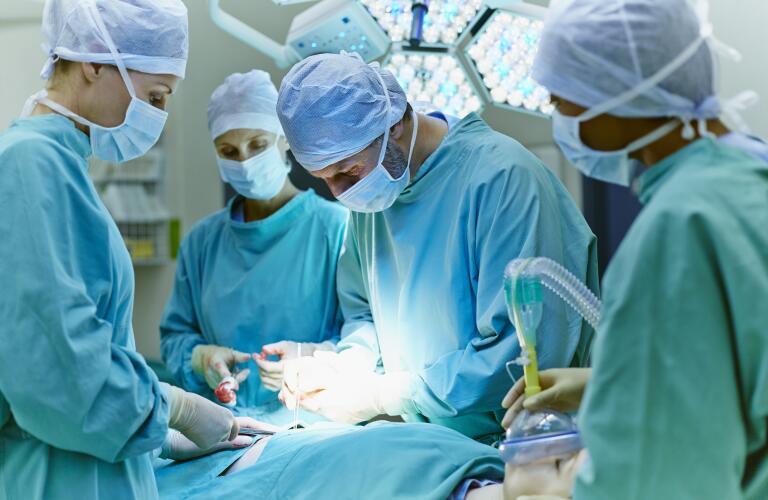
Open surgery is the traditional surgical method in which the surgeon makes a larger incision to directly access the affected organ or tissue.
This approach allows the surgeon to:
-
View the surgical area directly
-
Use hands and surgical instruments without camera assistance
-
Handle complex anatomy more easily
-
Manage bleeding or complications immediately
Open surgery has been used for decades and remains essential in many medical situations.
Also read: "Preventing Cavities In Teenagers: A Parent’s Guide"
Common Examples of Open Surgery
-
Open heart surgery
-
Organ transplantation
-
Large tumor removal
-
Emergency abdominal surgery
-
Major trauma surgery
-
Complex spinal procedures
-
Advanced cancer surgeries
How Open Surgery Works
During the procedure:
-
The patient receives anesthesia.
-
A larger incision is made over the target area.
-
The surgeon operates using direct visualization.
-
The incision is closed using sutures, staples, or surgical glue.
The incision size varies depending on the procedure. Some may require only a few centimeters, while others involve extensive surgical exposure.
What Is Laparoscopic Surgery?
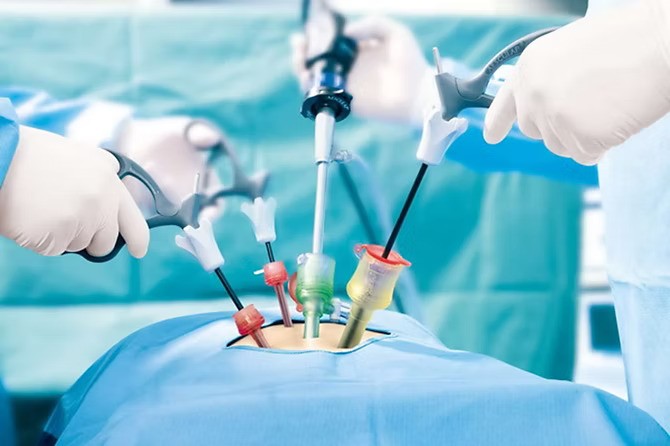
Laparoscopic surgery is a minimally invasive surgical technique performed through small incisions using a camera and specialized instruments.
It is also called:
-
Keyhole surgery
-
Minimally invasive surgery
-
Video-assisted surgery
A thin tube with a camera, called a laparoscope, projects high-definition images onto a monitor, allowing surgeons to operate without opening the body extensively.
Also Read: Hernia Surgery In Pakistan: Types, Symptoms, Recovery, Risks & Cost
Common Procedures Performed Laparoscopically
-
Prostate surgery
-
Colon surgery
-
Kidney surgery
How Laparoscopic Surgery Works
The process usually involves:
-
Small incisions, often 0.5–1.5 cm
-
Inflation of the abdomen with carbon dioxide gas
-
Insertion of the camera and instruments
-
Surgical repair or removal using guided visualization
-
Closure of small incision sites
In some advanced hospitals, robotic-assisted surgery is an extension of laparoscopic surgery.
Open Surgery vs Laparoscopic Surgery: Quick Comparison
|
Feature |
Open Surgery |
Laparoscopic Surgery |
|
Incision Size |
Large incision |
Small incisions |
|
Recovery Time |
Longer |
Faster |
|
Hospital Stay |
Usually longer |
Usually shorter |
|
Pain After Surgery |
More postoperative pain |
Less postoperative pain |
|
Scarring |
More visible |
Minimal scarring |
|
Risk of Infection |
Higher |
Lower |
|
Surgical Visibility |
Direct visualization |
Camera-assisted visualization |
|
Cost |
Sometimes lower initially |
May be higher initially |
|
Best For |
Complex or emergency cases |
Routine minimally invasive procedures |
|
Return to Daily Activities |
Slower |
Faster |
Which Surgery Is Safer?
Neither method is universally safer. Safety depends on:
-
The patient’s overall health
-
Surgeon experience
-
Type of disease
-
Severity of the condition
-
Presence of complications
-
Hospital infrastructure
When Laparoscopic Surgery May Be Safer
Research published by institutions such as the Mayo Clinic and Cleveland Clinic consistently shows advantages of minimally invasive surgery in selected patients, including:
-
Lower infection rates
-
Reduced blood loss
-
Faster recovery
-
Less postoperative pain
-
Reduced risk of wound complications
When Open Surgery May Be Safer
Open surgery may provide better outcomes when:
-
There is uncontrolled internal bleeding
-
The anatomy is highly complex
-
Cancer has spread extensively
-
Scar tissue from previous surgeries exists
-
Emergency intervention is required
-
Large tumors need removal
Experienced surgeons often begin laparoscopically and convert to open surgery if patient safety requires it.
Also read: " 11 Tips For Increasing Sexual Stamina & Performance Naturally "
Why Many Surgeons Prefer Laparoscopic Surgery for Routine Procedures
For common abdominal and pelvic surgeries, laparoscopic techniques have transformed recovery expectations.
Benefits Patients Commonly Experience
Smaller Scars
Tiny incisions reduce cosmetic concerns and lower the chance of large wound complications.
Faster Recovery
Patients frequently return to normal activities within days instead of weeks.
Less Pain
Smaller incisions usually mean reduced tissue trauma and less need for opioid pain medication.
Lower Infection Risk
Smaller wounds reduce exposure to bacteria and lower surgical site infection rates.
Shorter Hospital Stay
Many laparoscopic procedures are performed as day surgeries or require only one overnight stay.
Procedures Where Laparoscopy Is Often Preferred
-
Gallstones
-
Appendicitis
-
Ovarian cysts
-
Inguinal hernia
-
Obesity surgery
-
Kidney cyst removal
Situations Where Open Surgery Remains the Better Choice
Minimally invasive surgery is not ideal for every patient.
Large or Aggressive Cancers
Some cancer surgeries require wide tissue removal and lymph node dissection, which may be technically difficult laparoscopically.
Severe Internal Bleeding
In trauma or emergencies, surgeons may need immediate direct access to organs.
Extensive Scar Tissue
Patients with multiple previous surgeries may develop adhesions, making laparoscopic access dangerous.
Organ Transplantation
Most transplant surgeries still require open surgical access.
Complex Heart Surgery
Many cardiac procedures continue to rely on open surgical techniques for safety and precision.
Patients should not assume that requiring open surgery means outdated care. In many cases, it reflects the safest evidence-based decision.
If you’re planning surgery or already advised a procedure, a second opinion can help you better understand your options and risks.
You can consult experienced surgeons through Apka Muaalij for personalized guidance and treatment planning.
Recovery Time: Which Surgery Heals Faster?
Laparoscopic Surgery Recovery
Recovery is generally quicker because there is less tissue damage.
Typical recovery expectations:
-
Walking for hours
-
Return home within 24–48 hours
-
Return to office work within 1–2 weeks
-
Lower pain medication requirement
Open Surgery Recovery
Recovery often takes longer due to larger incisions and greater tissue disruption.
Typical expectations:
-
Several days in the hospital
-
Weeks of activity restrictions
-
Higher pain levels initially
-
Slower return to work
However, recovery depends heavily on the specific procedure and the patient's health status.
Also read: "When Is Fever Dangerous? Symptoms, Causes & Warning Signs"
Pain Levels After Surgery
Why Open Surgery Usually Causes More Pain
Larger incisions involve:
-
Greater muscle cutting
-
More tissue manipulation
-
Larger wounds
-
Increased inflammation
This often leads to:
-
Longer pain duration
-
Greater need for pain control
-
Delayed mobility
Laparoscopic Surgery and Reduced Pain
Smaller incisions generally produce:
-
Less tissue trauma
-
Lower inflammation
-
Easier movement after surgery
-
Reduced narcotic use
Some patients still experience shoulder pain after laparoscopic abdominal surgery due to carbon dioxide gas irritation.
Infection Risk and Surgical Complications
Open Surgery Risks
Potential complications include:
-
Surgical wound infection
-
Hernia formation
-
Blood clots
-
Delayed healing
-
Pneumonia from prolonged immobility
Laparoscopic Surgery Risks
Although often safer regarding wound complications, laparoscopic surgery has unique risks:
-
Injury from trocar insertion
-
Carbon dioxide-related complications
-
Limited tactile feedback
-
Rare organ perforation
Complication rates decrease significantly when procedures are performed by experienced surgeons.
Is Laparoscopic Surgery Always Better for Cancer?
No. Cancer surgery decisions are highly individualized.
Cancers Commonly Treated Laparoscopically
Situations Favoring Open Cancer Surgery
-
Very large tumors
-
Invasive cancers
-
Complex reconstruction needs
-
Advanced-stage disease
The National Cancer Institute notes that minimally invasive cancer surgery can offer comparable outcomes in selected cases, but long-term success depends more on complete tumor removal than incision size.
Cost Differences Between Open and Laparoscopic Surgery
Why Laparoscopic Surgery May Cost More Initially
Costs can increase due to:
-
Specialized equipment
-
Advanced imaging systems
-
Disposable instruments
-
Longer operating room setup
Why Overall Costs May Be Lower
Despite higher procedural costs, total expenses may decrease because of:
-
Shorter hospitalization
-
Faster return to work
-
Fewer wound complications
-
Reduced medication needs
The overall financial impact depends on insurance coverage, hospital type, surgeon expertise, and complication rates.
Must read: " Early Signs Of Colon Cancer: Symptoms You Should Never Ignore"
How Surgeons Decide Between Open and Laparoscopic Surgery
The decision is rarely based on patient preference alone.
Factors Surgeons Evaluate
Patient Factors
-
Age
-
Lung function
-
Previous surgeries
Disease Factors
-
Cancer stage
-
Infection severity
-
Organ involvement
-
Bleeding risk
Surgical Factors
-
Complexity
-
Equipment availability
-
Surgeon expertise
-
Emergency versus elective surgery
Why Experience Matters
A highly experienced laparoscopic surgeon may achieve excellent outcomes in complex cases that less experienced surgeons would treat openly.
A surgeon's skill often matters more than the technique itself.
Robotic Surgery vs Laparoscopic Surgery
Robotic surgery is an advanced form of minimally invasive surgery.
Key Differences
|
Feature |
Standard Laparoscopy |
Robotic Surgery |
|
Instrument Control |
Manual |
Robot-assisted |
|
Precision |
High |
Very high |
|
Visualization |
2D or 3D |
Advanced 3D |
|
Surgeon Ergonomics |
Moderate |
Improved |
|
Cost |
Lower |
Higher |
Robotic systems are commonly used in:
-
Prostate surgery
-
Gynecologic surgery
-
Colorectal procedures
-
Urologic cancer surgery
Robotic surgery still requires small incisions similar to laparoscopy.
Common Myths About Laparoscopic Surgery
Myth 1: Smaller Incisions Mean Minor Surgery
Even minimally invasive procedures can involve major organ operations internally.
Myth 2: Recovery Is Instant
Although faster, recovery still requires healing time, movement restrictions, and follow-up care.
Myth 3: Open Surgery Is Outdated
Open surgery remains the gold standard for many complex and emergency operations.
Myth 4: Laparoscopy Has No Risks
Every surgery carries risks, including anesthesia complications, bleeding, and infection.
Signs You Need Immediate Medical Attention After Surgery
Regardless of the surgical method, patients should seek urgent care for:
-
High fever
-
Severe shortness of breath
-
Persistent vomiting
-
Increasing redness or pus at incision sites
-
Heavy bleeding
-
Chest pain
-
Sudden swelling in the legs
Early intervention can prevent serious complications.
Also read: "7 Common Monsoon Diseases In Pakistan – Causes, Symptoms & Prevention Tips"
Open Surgery vs Laparoscopic Surgery: Which Is Best Overall?
There is no universal winner.
Laparoscopic Surgery Is Often Best For:
-
Routine abdominal procedures
-
Faster recovery goals
-
Lower postoperative pain
-
Reduced scarring
-
Shorter hospital stays
Open Surgery Is Often Best For:
-
Complex anatomy
-
Advanced cancers
-
Severe trauma
-
Emergency operations
-
Extensive reconstruction
The best treatment is the one that safely achieves the best medical outcome for the individual patient.
Bottom Line
The debate between open surgery and laparoscopic surgery is not about choosing “old” versus “modern” medicine. It is about selecting the safest and most effective treatment for a specific medical condition.
Minimally invasive techniques have transformed many surgical procedures by reducing pain, shortening recovery, and lowering complication rates. At the same time, open surgery continues to save lives in complex, advanced, and emergencies where direct surgical access is critical.
Patients benefit most when surgical decisions are individualized rather than trend-driven. Understanding the advantages, limitations, and realistic expectations of each approach helps patients participate more confidently in treatment planning.
Need help choosing between open or laparoscopic surgery?
Talk to a qualified surgeon through Apka Muaalij for expert consultation, diagnosis, and second opinion support across Pakistan.
Frequently Asked Questions (FAQs)
Is laparoscopic surgery safer than open surgery?
Laparoscopic surgery is often associated with lower infection risk, less pain, and quicker recovery. However, open surgery may be safer for complex conditions, trauma, advanced cancer, or uncontrolled bleeding. The safest option depends on the patient’s diagnosis and the surgeon’s expertise.
Does laparoscopic surgery hurt less?
Most patients experience less postoperative pain after laparoscopic surgery because the incisions are much smaller and tissue damage is reduced. Pain levels still vary depending on the procedure type, individual pain tolerance, and any complications during recovery.
Why would a surgeon switch from laparoscopic to open surgery?
Surgeons may convert to open surgery if they encounter unexpected bleeding, severe scar tissue, difficult anatomy, organ injury, or poor visualization. Conversion is a safety decision, not a surgical failure.
Which surgery has a faster recovery?
Laparoscopic surgery generally allows faster recovery, shorter hospital stays, and earlier return to normal activities. Open surgery usually requires longer healing because of larger incisions and greater tissue disruption.
Is laparoscopic surgery more expensive?
The procedure itself may cost more because it requires specialized equipment and training. However, overall costs may decrease due to shorter hospitalization, fewer complications, and quicker return to work.
Can cancer be treated with laparoscopic surgery?
Yes. Many cancers, including colon, kidney, and prostate cancers, can be treated laparoscopically in selected patients. Advanced or invasive cancers may still require open surgery for optimal tumor removal.
What are the disadvantages of laparoscopic surgery?
Potential disadvantages include longer operating times in some cases, limited tactile feedback, equipment-related complications, and the possibility of conversion to open surgery if complications arise.
Is robotic surgery better than laparoscopic surgery?
Robotic surgery may improve precision and visualization for complex procedures, especially in urology and gynecology. However, outcomes often depend more on the surgeon's skill than on the technology itself.
How long do laparoscopic surgery scars take to heal?
Small laparoscopic incisions often heal within several weeks, although internal healing takes longer. Scar appearance typically fades over months and is usually much less noticeable than open surgical scars.
Who is not a good candidate for laparoscopic surgery?
Patients with severe obesity, extensive scar tissue, unstable medical conditions, advanced cancer spread, or emergency internal bleeding may not be ideal candidates for laparoscopic procedures.
Disclaimer: This article is intended for educational and informational purposes only and should not replace professional medical advice, diagnosis, or treatment. Surgical decisions depend on individual medical history, examination findings, imaging results, and specialist evaluation. Always consult a qualified surgeon or healthcare professional before making decisions regarding surgery or medical care.

Find & Book the best "Laparoscopic Surgeon" near you
Book Appointment