

Nipah Virus: Symptoms, Causes, Transmission, Prevention, & Updates
The Nipah virus (NiV) is one of the world’s most dangerous emerging zoonotic viruses, recognized by the World Health Organization (WHO) as a priority pathogen due to its high fatality rate, lack of specific treatment, and potential for outbreaks. Although relatively rare, Nipah virus infections have caused repeated outbreaks in South Asia, especially Bangladesh and India, and pose a serious public-health concern for countries like Pakistan, where bat populations and dense human settlements coexist.
This in-depth article explains what the Nipah virus is, how it spreads, early warning signs, diagnosis, treatment, prevention strategies, and global health responses, written in a factual and journalistic tone similar to international health news reporting.
Also read: "How To Get Vaccinated For Coronavirus (COVID-19) In Pakistan | Complete Guide"
What is the Nipah Virus?
The Nipah virus is a zoonotic virus belonging to the Henipavirus genus of the Paramyxoviridae family. It primarily spreads from animals to humans, but human-to-human transmission has also been documented during outbreaks.
The virus was first identified in 1998–1999 during an outbreak among pig farmers in Malaysia, where it caused severe encephalitis and respiratory illness. Since then, outbreaks have been reported mainly in Bangladesh and India, with sporadic cases elsewhere.
According to the World Health Organization, Nipah virus infection has a case fatality rate ranging from 40% to 75%, depending on outbreak conditions and healthcare access.
Natural Reservoir of Nipah Virus
The primary natural hosts of the Nipah virus are fruit bats of the Pteropus species, commonly known as flying foxes. These bats carry the virus without showing symptoms and can transmit it to humans and animals.
Main Reservoir and Intermediate Hosts
|
Source |
Role in Transmission |
|
Fruit bats (Pteropus) |
Natural reservoir |
|
Domestic pigs |
Intermediate amplifying host |
|
Horses (rare cases) |
Possible intermediate host |
|
Humans |
Incidental host |
Fruit bats are widely distributed across South Asia, Southeast Asia, and parts of Africa, making regional surveillance critical.
Also read: "Smog: Meaning In Urdu, Types, Causes & Treatments In Pakistan"
How Nipah Virus Spreads
Nipah virus transmission occurs through direct or indirect contact with infected animals or humans.
Common Modes of Transmission
|
Mode |
Explanation |
|
Bat-to-human |
Consumption of raw date palm sap contaminated by bat saliva or urine |
|
Animal-to-human |
Contact with infected pigs or livestock |
|
Human-to-human |
Close contact with the body fluids of infected patients |
|
Environmental |
Exposure to contaminated surfaces or food |
In Bangladesh, repeated outbreaks have been linked to raw date palm sap, a traditional winter delicacy.
Symptoms of Nipah Virus Infection
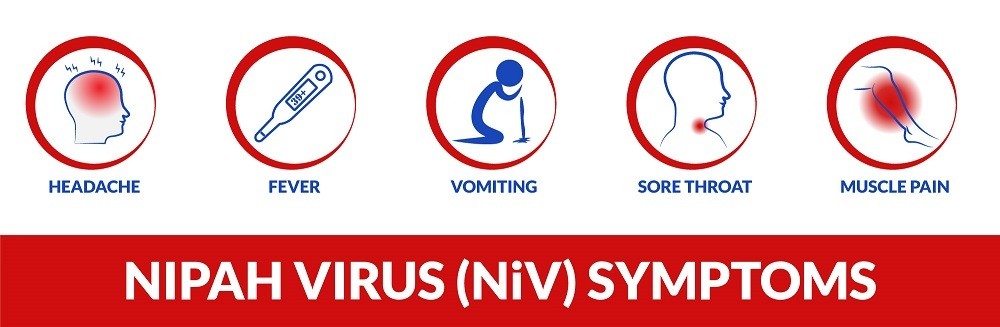
Symptoms typically appear 4 to 14 days after exposure, though incubation may extend up to 45 days in rare cases.
Early Symptoms
Severe Symptoms
-
Acute encephalitis (brain inflammation)
-
Confusion and disorientation
-
Difficulty breathing
-
Coma
In severe cases, patients may deteriorate rapidly within 24–48 hours, emphasizing the importance of early detection.
You may also read: "21 Surprisingly Effective Strategies To Prevent Heart Attack"
Nipah Virus Mortality Rate
The Nipah virus is among the deadliest viral infections known to humans.
|
Outbreak Region |
Approximate Fatality Rate |
|
Malaysia (1999) |
~40% |
|
Bangladesh |
60–75% |
|
India (Kerala outbreaks) |
50–70% |
Mortality is influenced by healthcare infrastructure, speed of diagnosis, and infection control practices.
Diagnosis of Nipah Virus
Nipah virus infection is diagnosed through specialized laboratory testing, often in high-security biosafety laboratories.
Diagnostic Tests Include
-
Real-time RT-PCR (blood, CSF, throat swabs)
-
ELISA for IgM and IgG antibodies
-
Virus isolation (research settings only)
Early symptoms resemble influenza or dengue, making clinical suspicion and travel history critical.
Nipah Virus Treatment and Clinical Management

Currently, there is no specific antiviral drug or licensed vaccine for the Nipah virus.
Supportive Treatment Includes
-
Intensive care support
-
Mechanical ventilation, if needed
-
Management of brain swelling
-
Fluid and electrolyte balance
The antiviral drug ribavirin has been used experimentally, but its effectiveness remains inconclusive, according to WHO reports.
Also, go through: "14 Warning Signs Of Depression In Men You Should Never Ignore"
Prevention and Control Measures
Preventing the Nipah virus relies heavily on public awareness, hygiene, and outbreak preparedness.
Key Prevention Strategies
|
Level |
Preventive Measures |
|
Community |
Avoid raw date palm sap |
|
Farms |
Prevent bat access to livestock |
|
Healthcare |
Strict infection control protocols |
|
Individuals |
Hand hygiene and protective equipment |
During outbreaks, contact tracing, isolation, and safe burial practices are critical to stopping transmission.
Nipah Virus Risk in Pakistan
While Pakistan has not reported a confirmed Nipah outbreak, the country shares ecological and demographic similarities with affected regions. The presence of fruit bats, expanding urban areas, and limited disease surveillance increases potential risk.
Public-health experts stress the importance of early warning systems, cross-border surveillance, and education campaigns.
Global Health Response and Research
The WHO has included the Nipah virus on its Blueprint list of priority diseases. International research is ongoing to develop:
-
mRNA and vector-based vaccines
-
Monoclonal antibody therapies
-
Rapid diagnostic kits
WHO states that “Nipah virus represents a significant epidemic threat due to its high mortality rate and lack of countermeasures.”
Also read: "Breast Cancer Symptoms - Causes, Treatments, & Preventions"
Need Healthcare Assistance?
Our expert healthcare professionals, including the best public health specialists and general physicians near you in Pakistan, are here to support you. If you have specific health concerns or queries, Apka Muaalij encourages you to consult your qualified specialists. Book an online video consultation or call 042-32377001.
Frequently Asked Questions (FAQs)
Is the Nipah virus airborne?
No. Nipah virus spreads through close contact with infected fluids, not airborne transmission like COVID-19.
Is the Nipah virus more dangerous than COVID-19?
Nipah has a much higher fatality rate but spreads far less easily.
Can the Nipah virus spread from person to person?
Yes, especially among caregivers and healthcare workers without protection.
Is there a vaccine for the Nipah virus?
No licensed vaccine is available yet, though trials are ongoing.
Can cooking food kill the Nipah virus?
Yes, proper cooking destroys the virus.
Why is raw date palm sap risky?
Bats contaminate the sap while feeding on it overnight.
Which countries are most affected by the Nipah virus?
Bangladesh and India report the most frequent outbreaks.
How fast does the Nipah virus progress?
Symptoms can worsen rapidly within days.
Can the Nipah virus be cured?
There is no cure; treatment is supportive.
Is the Nipah virus likely to cause a pandemic?
Experts say the risk exists but remains low due to limited transmission.
Are children at risk of the Nipah virus?
Yes, all age groups are susceptible.
How can Pakistan prepare for the Nipah virus?
Strengthening surveillance, hospital preparedness, and public education.
Disclaimer: This article is intended for educational and informational purposes only and should not be used as a substitute for professional medical advice, diagnosis, or treatment. Always consult qualified healthcare professionals or public-health authorities for guidance related to infectious diseases.

Find & Book the best "General Physician" near you
Book Appointment
Dr. Muhammad Usama, RPh
Dr. Dr. Muhammad Usama, RPh is a highly experienced specialist based in Lahore, Pakistan with over several years of clinical expertise. Specializing in evidence-based and patient-centered care, they provides advanced treatment tailored to individual needs. Currently available on Apka Muaalij, appointments can be booked at 042-32377001.