

Makhana (Fox Nuts): 12 Health Benefits, Nutrients, Uses & Recipes
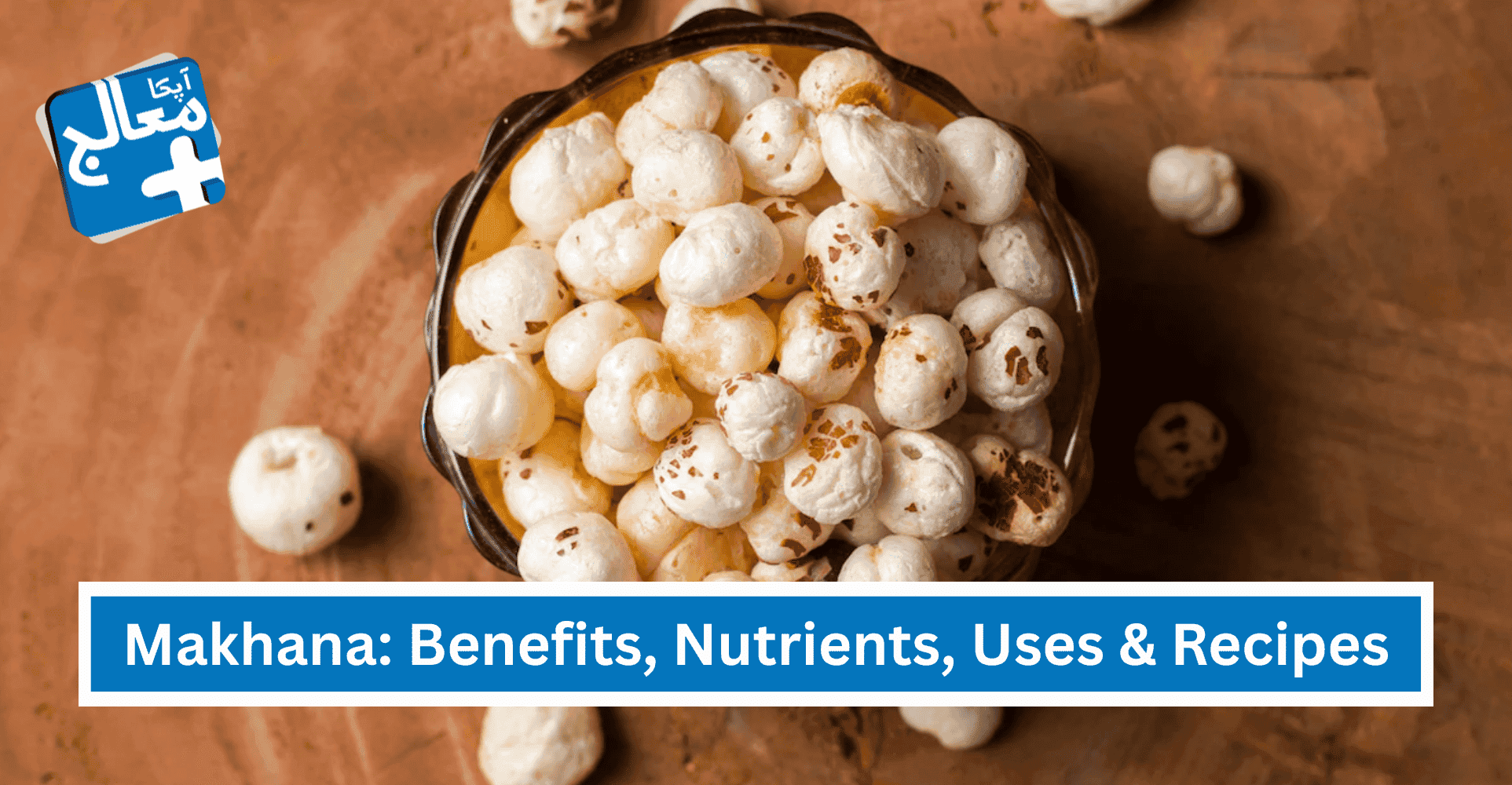
Makhana, commonly known as fox nuts or lotus seeds, has quietly transformed from a traditional food used in South Asian households into a globally recognized superfood. In Pakistan and India, makhana is often eaten during fasting, offered to children as a light snack, or used in desserts and curries. Internationally, it is now promoted as a low-calorie, high-nutrition alternative to processed snacks.
Makhana, derived from the seeds of the Euryale ferox plant, grows in freshwater ponds, particularly in South Asia and parts of East Asia. Despite its humble origins, makhana is backed by traditional wisdom, Islamic dietary ethics, and modern nutritional science.
This detailed blog explores the nutritional value, 12 science-backed health benefits, uses, recipes, and religious insights, making it a comprehensive resource for readers seeking trustworthy health information.
Also read: "Top 15 Incredible Dry Fruits Benefits For Males Sexually"
What Is Makhana (Fox Nuts)?
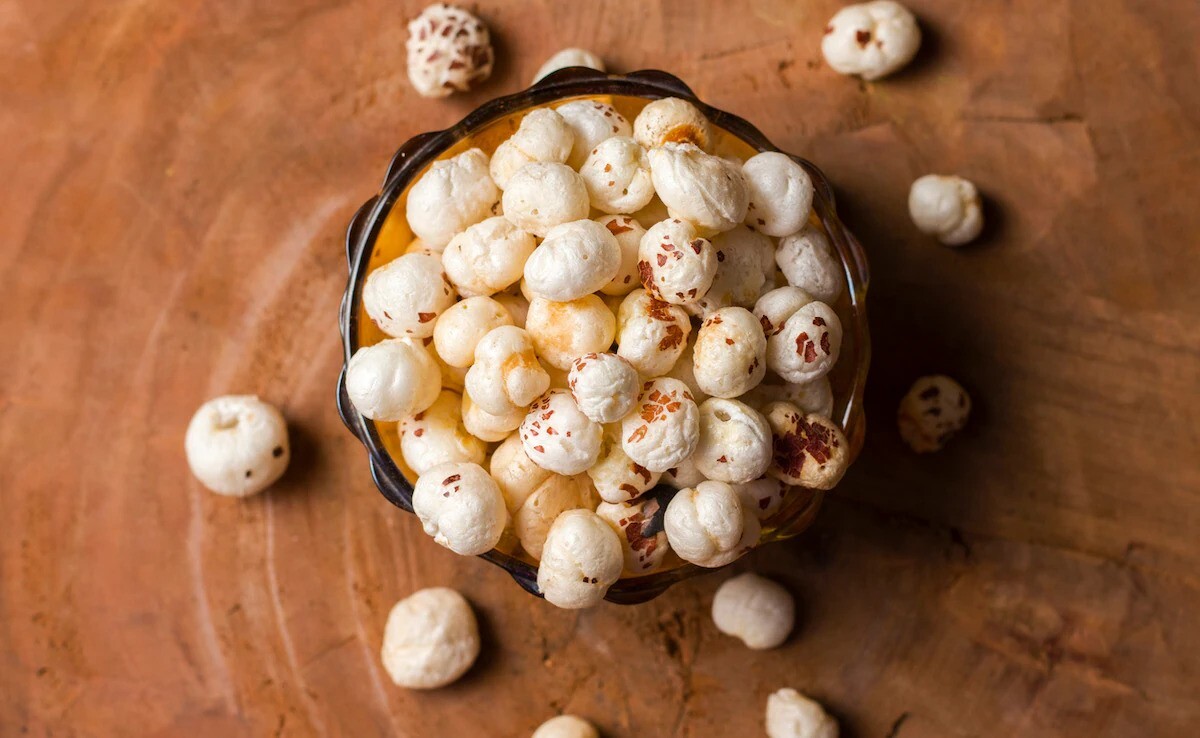
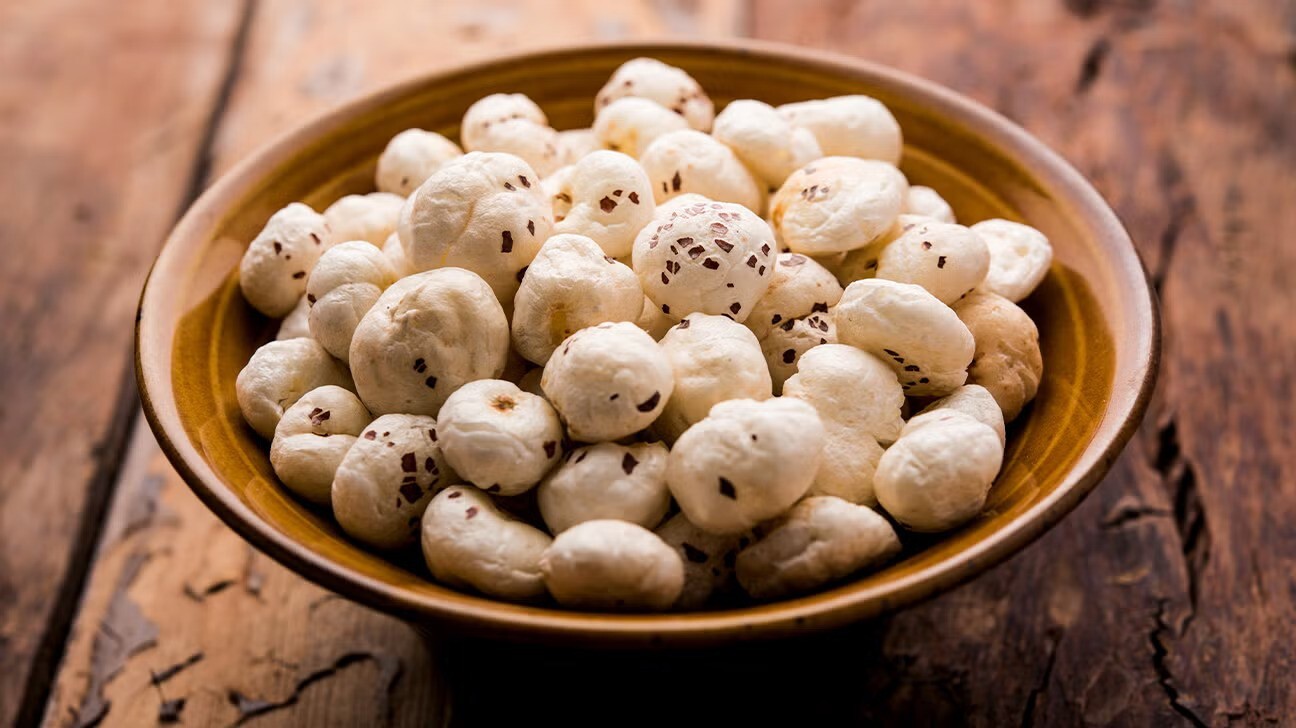
Makhana are edible seeds harvested from the lotus plant after being dried and roasted. Once roasted, they become light, crunchy, and mildly nutty in flavor.
Common Names:
-
Urdu: پھول مکھانا
-
Hindi: मखाना
-
English: Fox Nuts, Lotus Seeds, Gorgon Nuts, Makhana
-
Chinese: Qian Shi
Traditionally, makhana has been used in:
-
Ayurvedic medicine
-
Chinese traditional medicine
-
South Asian fasting foods
-
Post-illness recovery diets
Makhana Benefits in Urdu
مکھانا، جسے فاکس نٹس یا لوٹس سیڈز بھی کہا جاتا ہے، ایک غذائیت سے بھرپور اور ہلکی غذا ہے جو دل کی صحت کو بہتر بناتی ہے، وزن کم کرنے میں مدد دیتی ہے اور شوگر لیول کو متوازن رکھنے میں معاون ثابت ہوتی ہے۔ اس میں فائبر، پروٹین، کیلشیم اور میگنیشیم جیسے اہم معدنیات پائے جاتے ہیں جو ہاضمے کو بہتر بناتے، ہڈیوں کو مضبوط کرتے اور جسم کو قدرتی توانائی فراہم کرتے ہیں۔ کم چکنائی اور کم نمک ہونے کی وجہ سے مکھانا روزمرہ غذا، روزے، بچوں اور بزرگوں کے لیے ایک محفوظ اور صحت بخش انتخاب ہے۔
Also, go through: "18 Powerful Health Benefits Of Guava For You"
Nutritional Profile of Makhana (Per 100g)
|
Nutrient |
Amount |
|
Energy |
~347 kcal |
|
Protein |
9–10 g |
|
Carbohydrates |
76 g |
|
Dietary Fiber |
14 g |
|
Fat |
0.1–0.5 g |
|
Calcium |
60 mg |
|
Magnesium |
67 mg |
|
Potassium |
500 mg |
|
Iron |
1.4 mg |
|
Phosphorus |
200 mg |
|
Sodium |
<5 mg |
Makhana is high in complex carbs, protein, and minerals, yet extremely low in fat and sodium, making it ideal for heart health and weight control.
You may also read: "17 Health Benefits Of Flax Seeds In Urdu - السی کے بیج کے فوائد"
12 Proven Health Benefits of Makhana
1. Supports Heart Health
Makhana contains magnesium and potassium, which help regulate blood pressure and maintain a healthy heart rhythm.
A study published in the Journal of Food Science and Nutrition found that lotus seeds contribute to improved lipid profiles by reducing LDL cholesterol.
2. Excellent for Weight Loss
Low in calories and fat, yet rich in fiber and protein, makhana:
-
Keeps you full longer
-
Reduces unhealthy snacking
-
Controls appetite naturally
It is often recommended by nutritionists as a replacement for fried snacks.
3. Regulates Blood Sugar Levels
With a low glycemic index, makhana releases glucose slowly into the bloodstream.
This makes it suitable for:
-
People with type 2 diabetes
-
Insulin-resistant individuals
According to research in Nutrition Research Reviews, lotus seeds help stabilize post-meal blood sugar spikes.
4. Improves Digestive Health
High dietary fiber:
-
Prevents constipation
-
Improves gut movement
-
Supports healthy gut bacteria
In traditional medicine, makhana water is used to calm stomach inflammation.
Also read: "Basil Seeds Vs. Chia Seeds: Which Should Be Added To Your Diet?"
5. Strengthens Bones
Makhana is a natural source of:
-
Calcium
-
Phosphorus
-
Magnesium
These minerals are essential for:
-
Bone density
-
Joint strength
-
Preventing osteoporosis
6. Enhances Kidney Function
In Unani and Chinese medicine, lotus seeds are believed to:
-
Support kidney cleansing
-
Improve fluid balance
-
Reduce water retention
7. Rich in Antioxidants
Makhana contains flavonoids and polyphenols that:
-
Reduce oxidative stress
-
Slow aging
-
Protect cells from damage
Antioxidants are crucial in preventing chronic diseases.
8. Boosts Energy Naturally
Complex carbohydrates provide steady energy, making makhana ideal for:
-
Office workers
-
Students
-
Fasting individuals
Also read: "کلونجی کے ۱۳ حیران کن فوائد | استعمال، نقصانات اور کھانے کا بہترین وقت"
9. Supports Mental Health
Magnesium and potassium support:
-
Nerve function
-
Stress reduction
-
Better sleep quality
Traditional diets recommend makhana for anxiety and restlessness.
10. Safe for Gluten-Free Diets
Makhana is:
-
Naturally gluten-free
-
Easy to digest
Perfect for people with celiac disease or gluten intolerance.
11. Improves Reproductive Health
In Ayurveda, makhana is used to:
-
Improve fertility
-
Strengthen reproductive organs
-
Support hormonal balance
12. Strengthens Immunity
Minerals and antioxidants help:
-
Improve immune response
-
Protect against infections
You may also like to read: "14 Effective Methi Dana Benefits, Uses, Side Effects & More"
Islamic Perspective on Healthy Eating
Islam encourages moderation, nutrition, and mindful eating.
Quranic Guidance
“Eat and drink, but do not be excessive. Indeed, He does not like those who commit excess.”
(Surah Al-A’raf 7:31)
Makhana aligns with this principle as a clean, natural, non-intoxicating food.
Hadith on Balanced Diet
The Prophet Muhammad ﷺ said:
“The son of Adam does not fill any vessel worse than his stomach…”
(Tirmidhi)
Light foods like makhana support this prophetic guidance.
Also read: "13 Amazing Health Benefits Of Sabudana, Nutrition & Daily Uses"
Common Uses of Makhana
|
Use |
Description |
|
Snack |
Roasted with spices |
|
Cooking |
Curries, gravies |
|
Desserts |
Kheer, halwa |
|
Fasting |
Sehri & Iftar food |
|
Kids’ food |
Healthy alternative |
|
Elderly diets |
Easy digestion |
Healthy Makhana Recipes
1. Roasted Masala Makhana
-
Dry roast makhana
-
Add olive oil, salt, black pepper, and chaat masala
-
Cook until crunchy
Perfect for evening snacks
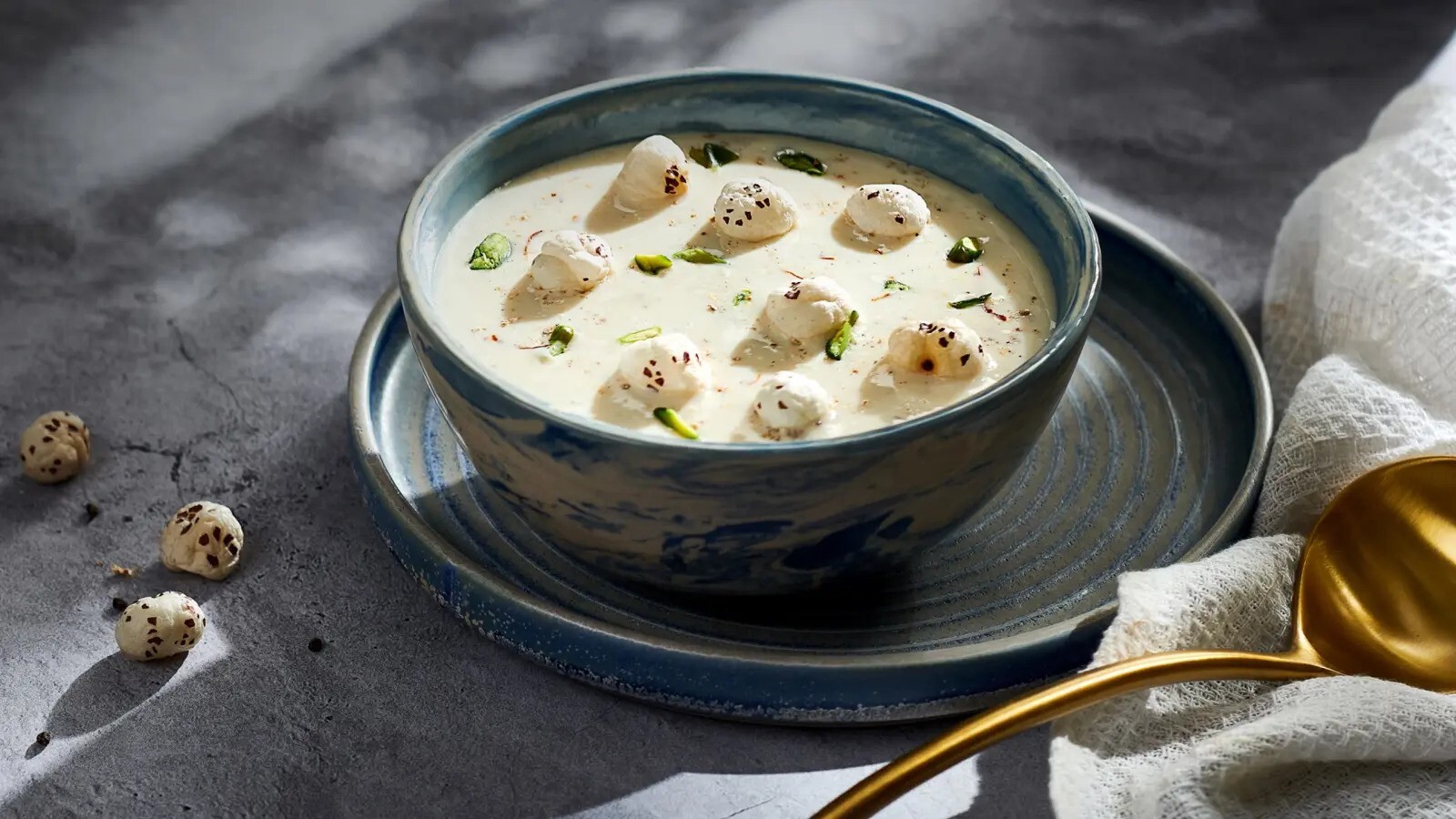
2. Makhana Kheer
-
Milk, roasted makhana, dates, or honey
-
Slow cook
-
Garnish with almonds
Ideal for Ramadan & winter
3. Makhana Vegetable Curry
-
Onion, tomato, spices
-
Add soaked makhana
-
Simmer gently
High-protein vegetarian meal
Also learn: "Top 11 Health Benefits Of Gond Katira & How To Take It"
Final Thoughts
Makhana is not just a traditional snack; it is a nutrient-rich, faith-aligned, science-supported superfood suitable for modern lifestyles. Whether you are managing weight, diabetes, or simply aiming for cleaner eating, makhana offers a rare balance of health, taste, and tradition.
If you’d like to better understand how your daily nutrition impacts overall health, consult the best nutritionist near you in Pakistan. For quick medical advice or to book an online video consultation, call 042-32377001 and connect with certified doctors through Apka Muaalij, Pakistan’s trusted digital healthcare platform, bringing expert care directly to your home.
Frequently Asked Questions (FAQs)
Is makhana good for weight loss?
Yes. Makhana is low in calories and fat, high in fiber and protein, which helps control hunger and keeps you full for longer, supporting healthy weight loss.
Can diabetics eat makhana daily?
Yes. Makhana has a low glycemic index and releases glucose slowly, making it safe for diabetics when eaten in moderate portions.
Is makhana safe during pregnancy?
Yes. Makhana is safe during pregnancy when consumed in moderation and provides calcium, iron, and energy needed for maternal health.
How much makhana should be eaten per day?
A healthy daily intake is 25–30 grams (about one small bowl) for most adults.
Is makhana better than popcorn?
Yes. Makhana contains less fat, sodium, and calories than popcorn, especially compared to buttered or flavored popcorn.
Does makhana increase blood sugar?
No. Makhana helps stabilize blood sugar levels due to its low glycemic index and high fiber content.
Can children eat makhana?
Yes. Makhana is a healthy snack for children as it supports growth, digestion, and provides sustained energy.
Is makhana good for the kidneys?
Yes. Makhana supports kidney health by being low in sodium and rich in minerals that help maintain fluid balance.
Can makhana be eaten at night?
Yes. Light, roasted makhana can be eaten at night as it is easy to digest and does not burden the stomach.
Is makhana halal?
Yes. Makhana is a plant-based, natural food and is considered halal in Islam.
Does makhana cause bloating?
No, when eaten in moderation. Overconsumption may cause mild bloating due to fiber content, especially in sensitive individuals.
Is makhana suitable for a keto diet?
No. Makhana is high in carbohydrates and is not suitable for strict ketogenic diets.
How to store makhana properly?
Store makhana in an airtight container in a cool, dry place to maintain freshness and crunch.
Can makhana replace rice?
No. Makhana cannot fully replace rice, but can be used as a lighter alternative in certain meals or snacks.
What is the best time to eat makhana?
Makhana can be eaten anytime, but it is especially beneficial as a mid-morning snack, evening snack, or during fasting.
Disclaimer: This article is for educational and informational purposes only. It does not replace professional medical advice. Individuals with medical conditions should consult a qualified healthcare provider before making dietary changes.

Find & Book the best "Nutritionist" near you
Book Appointment
Ifra Sarwar
Dr. Ifra Sarwar is a highly experienced specialist based in Lahore, Pakistan with over several years of clinical expertise. Specializing in evidence-based and patient-centered care, they provides advanced treatment tailored to individual needs. Currently available on Apka Muaalij, appointments can be booked at 042-32377001.