

Basil Seeds Vs. Chia Seeds: Which Should Be Added To Your Diet?
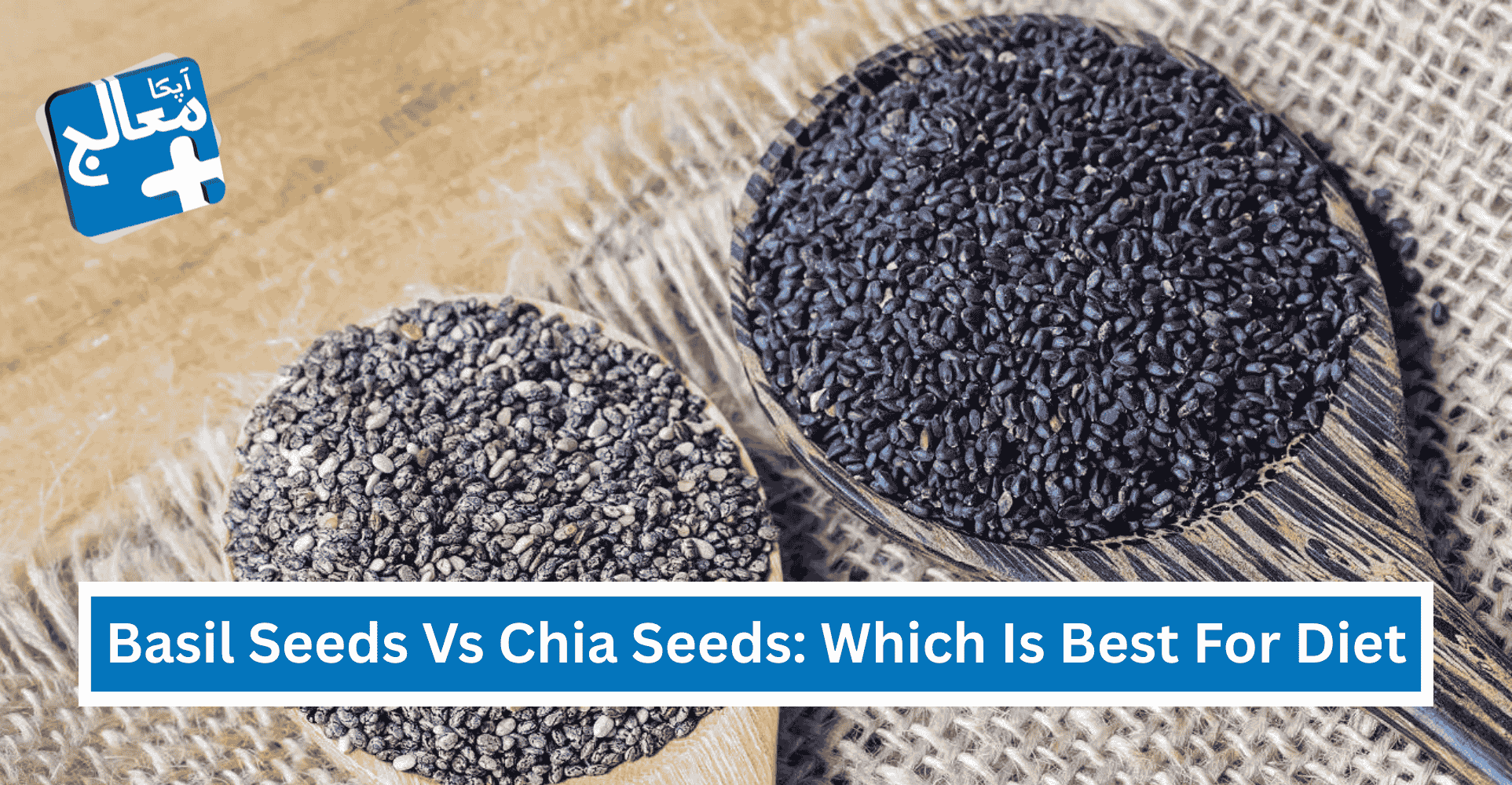
Superfoods often come in small packages, and basil seeds and chia seeds are perfect examples. Though they look similar at first glance, these tiny seeds differ significantly in nutrition, digestion, traditional use, and overall health impact. Both have earned a place in modern diets, but deciding which one suits your body and lifestyle better requires a closer look.
This article compares basil seeds (tukh malanga / sabja) and chia seeds in detail, helping you make an informed, practical choice rather than following food trends blindly.
For expert advice, consult a PMDC-verified nutritionist near you through Apka Muaalij.
Summary
-
Both basil and chia seeds are rich in fiber, antioxidants, and plant-based nutrients.
-
Chia seeds provide higher omega-3 fatty acids and protein
-
Basil seeds offer faster hydration, cooling effects, and digestive comfort
-
The best choice depends on digestion, climate, weight goals, and health needs
What Are Basil Seeds?
Basil seeds come from the Ocimum basilicum plant and are widely known as tukh malanga or sabja seeds in South Asia. They have been used for centuries in traditional drinks, herbal remedies, and cooling foods, particularly in warm climates.
When soaked, basil seeds swell quickly and develop a transparent gel coating. They are commonly added to summer beverages like falooda, lemon water, and milk-based desserts.
What Are Chia Seeds?
Chia seeds are obtained from Salvia hispanica, a plant native to Central and South America. Historically, chia seeds were a staple food for the Aztecs and Mayans, valued for sustained energy and endurance.
These seeds absorb liquid slowly but extensively, forming a thick gel that supports fullness, digestion, and hydration.
Also read: "کلونجی کے ۱۳ حیران کن فوائد | استعمال، نقصانات اور کھانے کا بہترین وقت"
Nutritional Comparison: Basil Seeds vs. Chia Seeds
Below is a simplified nutritional comparison per 1 tablespoon (approx.) of soaked seeds:
|
Nutrient |
Basil Seeds |
Chia Seeds |
|
Calories |
~20 kcal |
~60 kcal |
|
Fiber |
High |
Very High |
|
Protein |
Moderate |
Higher |
|
Omega-3 Fatty Acids |
Low |
Rich |
|
Calcium |
Higher |
Moderate |
|
Iron |
Good source |
Moderate |
|
Gel Formation |
Fast (5–10 min) |
Slow (20–30 min) |
|
Cooling Effect |
Strong |
Mild |
Also read: "14 Effective Methi Dana Benefits, Uses, Side Effects & More"
Health Benefits: Side-by-Side Comparison
Digestive Health
-
Basil seeds are gentle on the stomach and traditionally used to relieve acidity, bloating, and constipation.
-
Chia seeds support gut health through soluble fiber, but may cause gas if overconsumed.
Best choice for sensitive digestion: Basil seeds
Weight Management & Appetite Control
Both seeds expand in water and promote fullness.
-
Basil seeds swell rapidly, reducing hunger almost immediately
-
Chia seeds form a thicker gel that keeps you full for longer hours
Best choice for long-term satiety: Chia seeds
Blood Sugar Control
-
Basil seeds slow glucose absorption and are commonly recommended in traditional diets for people with fluctuating sugar levels.
-
Chia seeds improve insulin sensitivity due to soluble fiber and omega-3 fats.
Both can be beneficial when used in moderation
Heart Health
Chia seeds stand out here.
-
Rich in alpha-linolenic acid (ALA), a plant-based omega-3
-
Help reduce bad cholesterol and inflammation
Basil seeds contribute minerals but lack significant omega-3 content.
Best choice for cardiovascular health: Chia seeds
Also read: "17 Surprising Health Benefits Of Anjeer (Dried Figs) - Nutrition, Uses & Side Effects"
Hydration & Body Cooling
-
Basil seeds are widely used in hot climates to cool the body
-
They absorb water quickly and support hydration
Chia seeds hydrate well but lack immediate cooling effects.
Best choice for summer and heat management: Basil seeds
Skin & Hair Support
-
Chia seeds provide essential fats that support skin elasticity and scalp health
-
Basil seeds help detoxify the body, which indirectly supports clearer skin
Better for nourishment: Chia
Better for detox & glow: Basil
Also, go through: "12 Incredible Benefits Of Eating Garlic At Night: Evidence-Based Facts"
Taste, Texture & Preparation
| Feature | Basil Seeds | Chia Seeds |
|---|---|---|
| Taste | Mild, neutral flavor | Slightly nutty taste |
| Texture (After Soaking) | Soft gel coating, light texture | Thick, dense gel |
| Swelling Time | Swell quickly | Take longer to gel |
| Best Way to Consume | Always soaked | Soaked (preferred) or dry with caution |
| Common Uses | Drinks, falooda, lemon water, and desserts | Smoothies, yogurt, oatmeal, puddings |
| Preparation Method | Soak 1 tablespoon in 1 glass of water for 10 minutes | Soak 1 tablespoon in 4 tablespoons of liquid for 20–30 minutes |
Side Effects & Precautions
Both seeds are safe when consumed properly, but moderation is essential.
Possible Concerns
-
Digestive discomfort if eaten dry
-
Bloating from excessive fiber intake
-
Interaction with blood-pressure or diabetes medication
People with swallowing difficulties should never consume dry seeds.
Read: "13 Amazing Health Benefits Of Sabudana, Nutrition & Daily Uses"
Which One Should You Choose?
Your ideal choice depends on your goal:
-
Choose basil seeds if you want cooling, light digestion, and quick hydration
-
Choose chia seeds if you want heart health, long-lasting energy, and omega-3 benefits
-
For balanced nutrition, rotating both seeds throughout the week works best
How to Add Them to Your Diet
-
Mix soaked seeds into smoothies
-
Add to yogurt or oatmeal
-
Prepare puddings
-
Use basil seeds in summer drinks
-
Add chia seeds to baked goods
Frequently Asked Questions (FAQs)
1. Can basil seeds and chia seeds be eaten together?
Yes, but soak them separately before mixing.
2. Which seed is better for weight loss?
Chia seeds provide longer fullness, while basil seeds reduce immediate appetite.
3. Are basil seeds safe for daily use?
Yes, 1 tablespoon per day is generally safe.
4. Do chia seeds cause bloating?
They can if taken in excess or without soaking.
5. Which seed is better for diabetes?
Both help regulate blood sugar when used correctly.
6. Can children consume these seeds?
Yes, in soaked form and small quantities.
7. Which seed is better for summer?
Basil seeds due to their cooling nature.
8. Are these seeds good for constipation?
Yes, both improve bowel movement through fiber.
9. Can pregnant women consume them?
Consult a doctor before regular intake.
10. Do these seeds help skin health?
Yes, through hydration, antioxidants, and detox support.
11. Can I take them at night?
Yes, but soaking is essential.
12. Which seed has more protein?
Chia seeds contain more protein.
Disclaimer: This content is for educational and informational purposes only and does not replace professional medical advice. Nutritional needs vary based on age, health conditions, and medications. Always consult a qualified healthcare provider or nutritionist before making significant dietary changes, especially if you have chronic health conditions.

Find & Book the best "Nutritionist" near you
Book Appointment
Ifra Sarwar
Dr. Ifra Sarwar is a highly experienced specialist based in Lahore, Pakistan with over several years of clinical expertise. Specializing in evidence-based and patient-centered care, they provides advanced treatment tailored to individual needs. Currently available on Apka Muaalij, appointments can be booked at 042-32377001.