

Magnesium Glycinate: Benefits, Uses, Side Effects, Sources & More
Magnesium plays an essential role in over 300 enzymatic reactions in the body. It plays a key role in muscle function, nerve signaling, bone health, energy production, and cardiovascular stability. Despite its importance, magnesium deficiency is common worldwide, especially in Pakistan, due to poor diet, high stress, and chronic health conditions.
Among magnesium supplements, magnesium glycinate has emerged as a preferred option because of its high bioavailability and low likelihood of causing digestive discomfort. In this article, we will explore everything you need to know about magnesium glycinate, including benefits, uses, sources, side effects, and practical advice for supplementation.
Also read: "Basil Seeds Vs. Chia Seeds: Which Should Be Added To Your Diet?"
What is Magnesium Glycinate?

Magnesium glycinate is a compound formed by magnesium and the amino acid glycine. This combination enhances absorption in the small intestine and makes it gentler on the stomach compared to other magnesium supplements, such as magnesium oxide or magnesium citrate.
Key features of magnesium glycinate:
-
Highly bioavailable
-
Gentle on the digestive system
-
Supports nervous system and muscle function
-
Useful for long-term supplementation
Unlike magnesium oxide, which often causes diarrhea, glycinate is better tolerated even at higher doses. This makes it a preferred choice for individuals with sensitive digestion or chronic magnesium deficiency.
Also read: "کلونجی کے ۱۳ حیران کن فوائد | استعمال، نقصانات اور کھانے کا بہترین وقت"
9 Incredible Benefits of Magnesium Glycinate & How It Helps
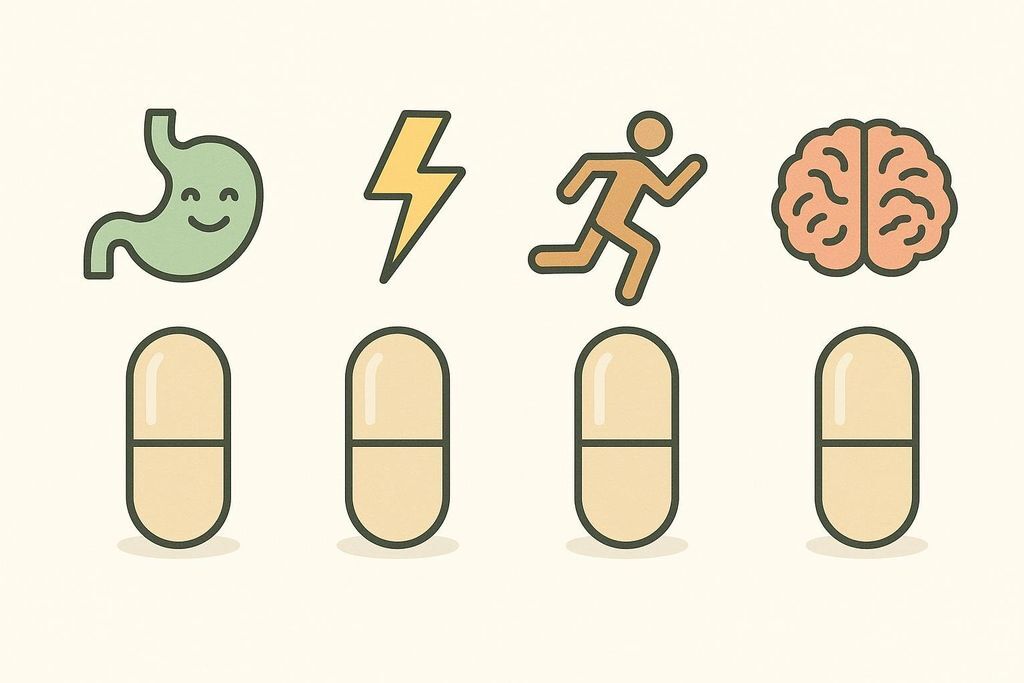
Magnesium glycinate provides a wide range of health benefits, affecting physical, mental, and cardiovascular wellness. Below is a detailed breakdown:
|
Benefit |
How It Helps |
|
Supports Muscle Function |
Helps prevent cramps, spasms, and muscle weakness by supporting proper contraction and relaxation. |
|
Promotes Nervous System Health |
Glycine acts as a calming neurotransmitter, reducing anxiety, stress, and nervous tension. |
|
Improves Sleep Quality |
Magnesium enhances relaxation and sleep, making it helpful for insomnia or restless nights. |
|
Supports Bone Health |
Works with calcium and vitamin D to maintain bone density and prevent osteoporosis. |
|
Cardiovascular Support |
Helps regulate heart rhythm, lowers blood pressure, and reduces the risk of heart disease. |
|
Migraine Prevention |
May reduce migraine frequency by relaxing blood vessels and improving nerve function. |
|
Blood Sugar Management |
Assists in regulating glucose levels and may reduce the risk of type 2 diabetes. |
|
Mood and Stress Relief |
Magnesium interacts with neurotransmitters to alleviate symptoms of depression and anxiety. |
|
PMS Relief |
Reduces menstrual cramps, mood swings, and bloating during the premenstrual phase. |
According to the National Institutes of Health (NIH), magnesium is involved in nerve transmission, muscle contraction, blood pressure regulation, and glucose metabolism.
Also learn: "14 Effective Methi Dana Benefits, Uses, Side Effects & More"
How Magnesium Glycinate Works
Magnesium glycinate delivers elemental magnesium efficiently to the body. Glycine not only aids absorption but also exerts calming effects on the nervous system. This dual benefit makes it ideal for individuals seeking:
-
Stress reduction
-
Muscle relaxation
-
Sleep improvement
By maintaining adequate magnesium levels, the body can perform crucial functions such as enzyme activation, nerve signaling, and energy metabolism more effectively.
Daily Requirement of Magnesium
The recommended dietary allowance (RDA) for magnesium depends on age, sex, and life stage. Magnesium glycinate supplementation should complement your dietary intake.
|
Age Group |
Females |
Males |
|
14–18 years |
360 mg |
410 mg |
|
19–30 years |
310 mg |
400 mg |
|
31+ years |
320 mg |
420 mg |
|
Pregnancy |
350–360 mg |
N/A |
|
Lactation |
310–320 mg |
N/A |
Note: Doses vary if used for specific health purposes such as migraines, anxiety, or sleep support. Always consult a healthcare professional before supplementation.
Also, go through: "12 Incredible Benefits Of Eating Garlic At Night: Evidence-Based Facts"
Signs of Magnesium Deficiency
Low magnesium levels may present subtly but can progress to serious health concerns. Common signs include:
-
Muscle cramps or spasms
-
Fatigue and low energy
-
Nausea and vomiting
-
Tingling or numbness in limbs
-
Irregular heartbeat
-
Mood disturbances such as anxiety or depression
-
Osteoporosis and bone pain
-
Migraines
In Pakistan, magnesium deficiency is estimated to affect over 60% of urban residents, emphasizing the need for dietary awareness and supplementation where required.
Read: "13 Amazing Health Benefits Of Sabudana, Nutrition & Daily Uses"
Sources of Magnesium
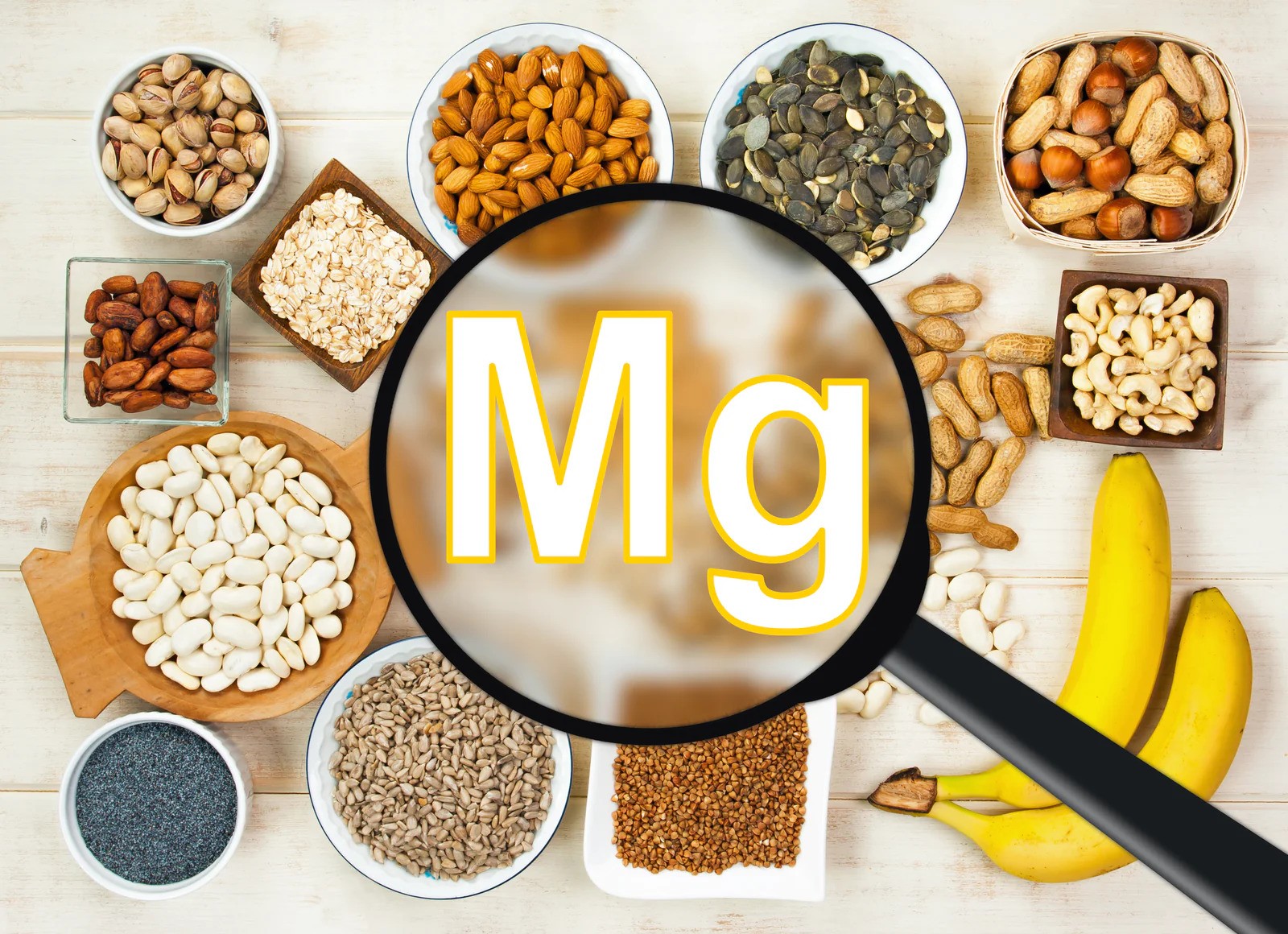
Magnesium is naturally found in a variety of foods. Including these foods regularly can help maintain adequate magnesium levels and reduce dependence on supplements.
|
Food Source |
Magnesium Content (per 100g) |
|
Spinach |
79 mg |
|
Almonds |
270 mg |
|
Pumpkin Seeds |
262 mg |
|
Cashews |
270 mg |
|
Black Beans |
70 mg |
|
Lentils |
36 mg |
|
Quinoa |
64 mg |
|
Banana |
27 mg |
|
Dark Chocolate |
228 mg |
|
Tofu |
53 mg |
Tip: Focus on whole, unprocessed foods as they contain higher magnesium levels than heavily processed alternatives.
How to Use Magnesium Glycinate Supplements

Magnesium glycinate supplements are available in tablets, capsules, or powder form. Here’s how to take them effectively:
-
Timing: Evening supplementation may promote relaxation and improve sleep quality.
-
Dosage: Typically 200–400 mg daily for general health. Dosage for specific purposes (like migraines) may range from 400–600 mg under medical supervision.
-
With Food: Taking magnesium with meals can reduce mild stomach upset.
-
Consistency: Supplements are most effective when taken consistently over several weeks.
-
Consult a Doctor: Especially if you have heart, kidney, or digestive conditions or are taking other medications.
Also read: "17 Surprising Health Benefits Of Anjeer (Dried Figs) - Nutrition, Uses & Side Effects"
Potential Side Effects
Magnesium glycinate is generally safe for most people. Mild side effects may include:
-
Stomach discomfort
-
Loose stools
-
Drowsiness
Serious side effects are rare but can occur in cases of kidney disease or extremely high doses:
-
Irregular heartbeat
-
Hypotension (low blood pressure)
-
Muscle weakness
-
Severe nausea or vomiting
Always consult a healthcare provider before starting supplementation, particularly for those with kidney or heart conditions.
Magnesium Glycinate in Pakistan

In Pakistan, magnesium glycinate supplements are increasingly available through:
-
Pharmacies
-
Online health stores
-
Clinics and nutrition centers
Average price range: PKR 2,000–4,000 depending on brand and formulation.
Popular brands available locally include Doctor’s Best, NOW Foods, Swisse, and Solgar.
Read: "15 Surprising Benefits Of Macadamia Nuts For Men - Uses & Health Advantages"
Who Can Benefit Most?
-
Individuals with chronic stress or anxiety
-
People experiencing muscle cramps or restless leg syndrome
-
Patients with osteoporosis or bone weakness
-
Those suffering from migraine headaches
-
Adults with poor dietary magnesium intake
-
Individuals with type 2 diabetes or cardiovascular risk factors
A 2019 Nutrients journal review stated, “Magnesium supplementation is associated with improved subjective measures of insomnia and sleep efficiency.”
Also, go through: "7 Best Iron-Rich Foods To Prevent Anemia For All Ages"
Bottom Line
Magnesium glycinate is a highly bioavailable, gentle supplement that supports muscle, nerve, bone, and cardiovascular health. When combined with a balanced diet rich in leafy greens, nuts, seeds, legumes, and whole grains, it helps prevent magnesium deficiency and associated health risks.
With proper dosing and medical supervision, magnesium glycinate is a safe and effective way to improve overall wellness, reduce stress, enhance sleep quality, and support long-term health.
For personalized advice, consult a best general physician or nutritionist near you in Pakistan through Apka Muaalij. Call 042-32377001 to book an online video consultation and receive trusted medical guidance from home.
FAQs About Magnesium Glycinate
1. Is magnesium glycinate safe to take daily?
Yes, it is generally safe for daily use within the recommended dose range. Consult a doctor if you have underlying conditions.
2. What is magnesium glycinate best for?
It is ideal for improving sleep, reducing anxiety, supporting muscle and nerve function, and promoting bone health.
3. Can magnesium glycinate help with migraines?
Yes, research shows magnesium may reduce migraine frequency and intensity by relaxing blood vessels and supporting nerve function.
4. How is magnesium glycinate different from magnesium citrate?
Magnesium glycinate is gentler on the stomach and better absorbed, while magnesium citrate may cause mild digestive issues like diarrhea.
5. Can I take magnesium glycinate during pregnancy?
Magnesium is important during pregnancy, and glycinate is generally considered safe, but consult your obstetrician first.
6. What foods are rich in magnesium?
Spinach, almonds, pumpkin seeds, cashews, black beans, lentils, quinoa, bananas, dark chocolate, and tofu are excellent sources.
7. Can magnesium glycinate help with anxiety?
Yes, magnesium supports the nervous system and helps reduce stress and anxiety.
8. What happens if I take too much magnesium glycinate?
Overdose is rare in healthy individuals but may cause diarrhea, nausea, low blood pressure, and irregular heartbeat in excessive amounts.
9. How long does it take to see benefits?
Effects on sleep, stress, and cramps can appear in 1–2 weeks, while bone and cardiovascular benefits may take longer.
10. Can men benefit from magnesium glycinate?
Yes, it supports energy metabolism, muscle function, cardiovascular health, and mental wellness.
11. Does magnesium glycinate interact with medications?
It may interact with antibiotics, blood pressure medications, and diuretics. Consult your doctor before supplementation.
12. Is magnesium glycinate better than other forms?
Its combination with glycine improves absorption and reduces gastrointestinal side effects, making it one of the most effective magnesium supplements.
Disclaimer: This article is intended for informational purposes only and should not replace professional medical advice. Consult a qualified healthcare professional before starting magnesium glycinate or any supplement, especially if you have underlying health conditions, are pregnant, or take prescription medications.

Find & Book the best "General Physician" near you
Book Appointment
Dr. Muhammad Usama, RPh
Dr. Dr. Muhammad Usama, RPh is a highly experienced specialist based in Lahore, Pakistan with over several years of clinical expertise. Specializing in evidence-based and patient-centered care, they provides advanced treatment tailored to individual needs. Currently available on Apka Muaalij, appointments can be booked at 042-32377001.