

Fatty Liver Disease: Early Symptoms, Causes, Treatment & How to Reverse It Naturally


Fatty liver disease is becoming one of the most common health problems worldwide, including in Pakistan. Many people have excess fat stored in their liver without realizing it because the condition often develops silently and may not cause symptoms in its early stages. Left untreated, fatty liver disease can progress to liver inflammation, fibrosis, cirrhosis, and even liver failure.
The growing prevalence of obesity, type 2 diabetes, sedentary lifestyles, and unhealthy dietary habits has made fatty liver disease a major public health concern. In Pakistan, increasing consumption of processed foods, sugary beverages, and physical inactivity are contributing to rising rates of metabolic disorders that increase the risk of liver disease.
The good news is that fatty liver disease can often be prevented, managed, and even reversed—especially when detected early. Lifestyle modifications remain the cornerstone of treatment, although medications and specialist care may be necessary in some cases.
In this guide, you'll learn about fatty liver symptoms, causes, risk factors, diagnosis, treatment options, medications, dietary recommendations, and evidence-based strategies to reverse fatty liver disease naturally.
Consult a Healthcare Specialist?
Need guidance about liver health or abnormal liver tests? Consult qualified healthcare professionals, including hepatologists or gastroenterologists in Pakistan, through Apka Muaalij or call 042-32377001 for expert assistance.
Key Takeaways
-
Fatty liver disease occurs when excess fat accumulates in liver cells.
-
Early stages often cause no symptoms, making screening important for high-risk individuals.
-
Obesity, diabetes, insulin resistance, and unhealthy dietary habits are major causes.
-
Weight loss and regular physical activity remain the most effective treatments.
-
Mediterranean-style eating patterns can support liver health.
-
Early intervention may reverse fatty liver and prevent serious complications.
-
Regular medical follow-up is important for individuals with risk factors or abnormal liver tests.
Must read: "Fistula Surgery: Symptoms, Recovery, Risks, Cost in Pakistan & More"
What Is Fatty Liver Disease?
Fatty liver disease, medically known as hepatic steatosis, occurs when more than 5% of the liver's weight consists of fat.
The liver plays a vital role in:
-
Processing nutrients
-
Producing essential proteins
-
Removing toxins
-
Regulating metabolism
-
Storing energy
When excess fat accumulates, the liver may become inflamed and damaged over time.
3 Main Types of Fatty Liver Disease
1. Non-Alcoholic Fatty Liver Disease (NAFLD)
NAFLD develops in people who consume little or no alcohol. It is strongly associated with:
-
Metabolic syndrome
-
Insulin resistance
2. Metabolically Dysfunctional-Associated Steatotic Liver Disease (MASLD)
Many recent medical guidelines now use the term MASLD to describe fatty liver disease associated with metabolic risk factors.
3. Alcohol-Related Fatty Liver Disease
This occurs due to excessive alcohol intake and may progress to alcoholic hepatitis and cirrhosis if drinking continues.
Also read: " 11 Tips For Increasing Sexual Stamina & Performance Naturally "
Early Symptoms of Fatty Liver Disease
Many individuals experience no symptoms during the early stages.
When symptoms do occur, they may include:
-
Persistent fatigue
-
Low energy levels
-
General weakness
-
Mild discomfort in the upper right abdomen
-
Feeling unwell without a clear cause
-
Difficulty concentrating
Advanced Symptoms
As liver damage progresses, symptoms may include:
-
Unexplained weight loss
-
Loss of appetite
-
Swelling of legs and abdomen
-
Yellowing of the skin and eyes (jaundice)
-
Easy bruising
-
Itchy skin
-
Confusion or memory problems
Fatty Liver Symptoms by Stage
|
Stage |
Common Findings |
|
Early Fatty Liver |
Usually no symptoms |
|
Mild Inflammation |
Fatigue, weakness |
|
Fibrosis |
Persistent abdominal discomfort |
|
Cirrhosis |
Jaundice, swelling, bleeding complications |
Also read: "Preventing Cavities In Teenagers: A Parent’s Guide"
What Causes Fatty Liver Disease?
Fatty liver develops when the body produces or stores more fat than the liver can process and remove.
Common Causes
Obesity
Excess body weight significantly increases fat accumulation in the liver.
Insulin Resistance
Insulin resistance causes the body to store more fat and contributes to liver inflammation.
Type 2 Diabetes
People with diabetes are among the highest-risk groups for developing fatty liver disease.
High Cholesterol and Triglycerides
Elevated blood fats increase the likelihood of liver fat buildup.
Poor Diet
Diets rich in:
-
Refined carbohydrates
-
Sugar
-
Soft drinks
-
Fast food
-
Processed snacks
can accelerate fatty liver development.
Excessive Alcohol Use
Alcohol interferes with normal liver metabolism and can cause significant fat accumulation.
Certain Medications
Some medicines may contribute to fatty liver, including:
-
Corticosteroids
-
Tamoxifen
-
Methotrexate
-
Certain chemotherapy drugs
Also read: "When Is Fever Dangerous? Symptoms, Causes & Warning Signs"
Risk Factors for Fatty Liver Disease
You may have a higher risk if you have:
-
Obesity
-
Diabetes
-
Prediabetes
-
High blood pressure
-
High triglycerides
-
Metabolic syndrome
-
Sleep apnea
-
Hypothyroidism
-
Sedentary lifestyle
-
Family history of liver disease
Fatty Liver Disease in Pakistan
Several factors are increasing fatty liver prevalence in Pakistan:
-
Rising obesity rates
-
Increasing diabetes burden
-
High consumption of sugary tea and beverages
-
Refined flour-based diets
-
Reduced physical activity
-
Urban lifestyle changes
Healthcare professionals are increasingly identifying fatty liver disease during routine ultrasound examinations.
How Is Fatty Liver Disease Diagnosed?
Diagnosis typically involves a combination of medical history, physical examination, blood tests, and imaging studies.
Blood Tests
Doctors may evaluate:
-
ALT (Alanine Aminotransferase)
-
AST (Aspartate Aminotransferase)
-
Blood sugar levels
-
Cholesterol profile
Imaging Tests
Common imaging methods include:
Liver Biopsy
In selected cases, a biopsy may be required to determine:
-
Degree of inflammation
-
Extent of fibrosis
-
Severity of liver damage
Can Fatty Liver Disease Be Reversed Naturally?
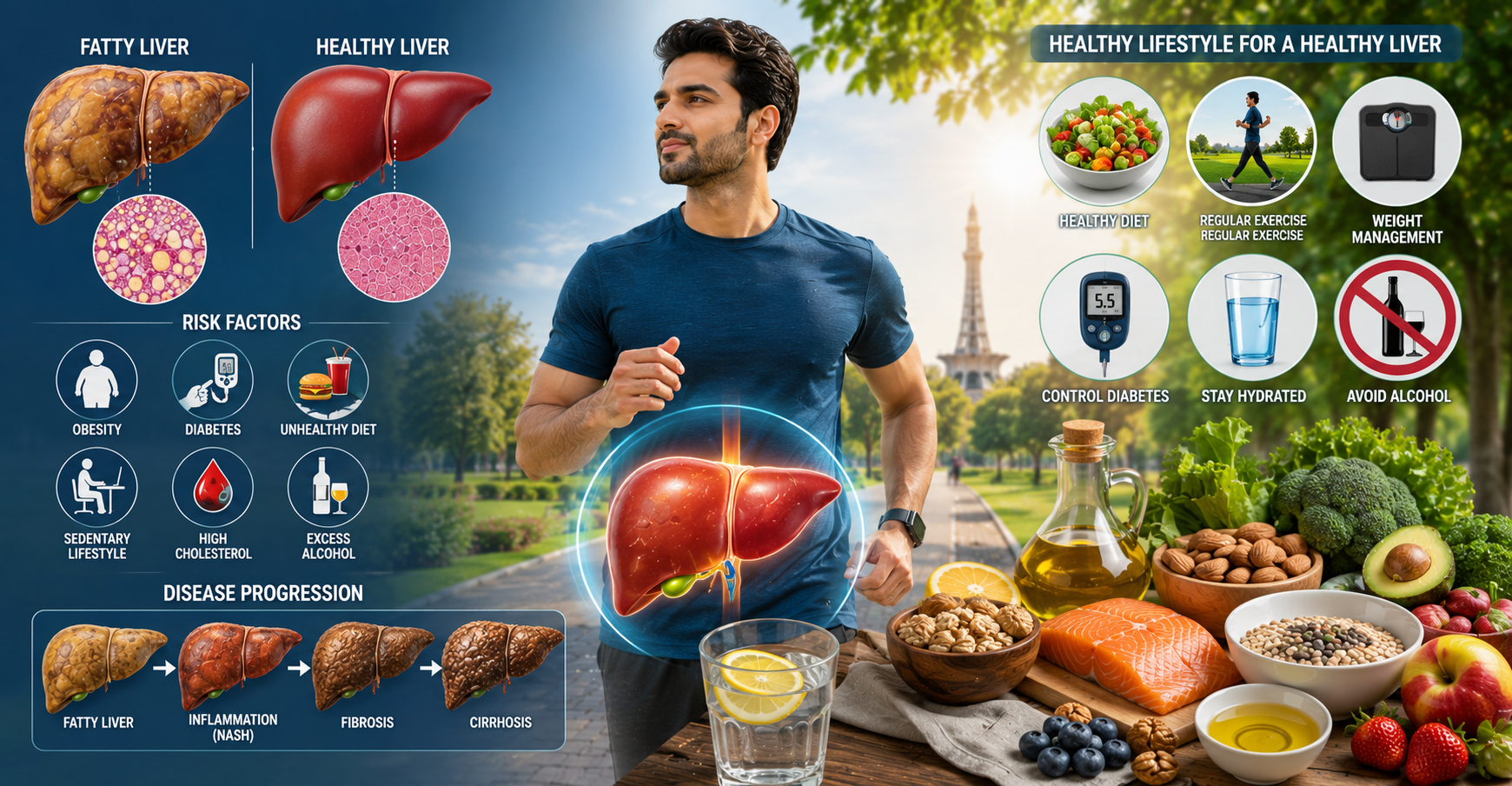
Yes. Early-stage fatty liver disease is often reversible.
Research from organizations such as the NIH, American Association for the Study of Liver Diseases (AASLD), and European Association for the Study of the Liver shows that lifestyle changes can significantly reduce liver fat and improve liver health.
1. Lose Excess Weight
Weight loss remains the most effective treatment.
Evidence suggests:
-
3–5% weight loss reduces liver fat
-
7–10% weight loss improves inflammation
-
Greater weight loss may improve fibrosis
2. Exercise Regularly
Aim for:
-
At least 150 minutes of moderate exercise weekly
-
Walking
-
Cycling
-
Swimming
-
Resistance training
3. Reduce Added Sugar
Limit:
-
Soft drinks
-
Sweetened juices
-
Desserts
-
Excess sugar in tea
4. Follow a Mediterranean-Style Diet
Focus on:
-
Vegetables
-
Fruits
-
Whole grains
-
Fish
-
Olive oil
-
Nuts
-
Legumes
5. Control Diabetes
Good blood sugar control helps reduce liver fat accumulation.
If you have diabetes, obesity, or abnormal liver tests, a specialist consultation can help identify reversible causes early. Contact Apka Muaalij or call 042-32377001 to discuss appropriate next steps.
Also read: "7 Common Monsoon Diseases In Pakistan – Causes, Symptoms & Prevention Tips"
Best Foods for Fatty Liver Disease
Foods to Eat More Often
|
Recommended Foods |
Benefits |
|
Leafy vegetables |
Rich in antioxidants |
|
Fish |
Omega-3 fatty acids |
|
Oats |
Supports healthy metabolism |
|
Nuts |
Healthy fats |
|
Olive oil |
Anti-inflammatory properties |
|
Beans and lentils |
High fiber content |
|
Fresh fruits |
Nutrient-dense options |
Foods to Limit
|
Foods to Reduce |
Why |
|
Sugary drinks |
Increase liver fat |
|
White bread |
High glycemic impact |
|
Fried foods |
Excess calories |
|
Processed snacks |
Poor nutritional value |
|
Fast food |
Linked with obesity |
|
Excess alcohol |
Direct liver damage |
Fatty Liver Medical Treatment
Lifestyle changes remain the primary treatment.
However, doctors may recommend medical management for underlying conditions.
Treatment May Include
-
Cholesterol-lowering medications
-
Blood pressure control
-
Weight management programs
-
Treatment of metabolic syndrome
Fatty Liver Medication
Currently, no medication is universally approved specifically for all patients with non-alcoholic fatty liver disease.
However, specialists may prescribe treatments based on individual circumstances, including:
-
Vitamin E (in selected non-diabetic patients)
-
Pioglitazone for some patients with NASH
-
GLP-1 receptor agonists for obesity and diabetes management
-
Medications addressing cardiovascular risk factors
Medication decisions should always be made by a qualified healthcare professional.
Potential Complications of Untreated Fatty Liver Disease
Without intervention, fatty liver disease may progress through several stages:
-
Fat accumulation (steatosis)
-
Liver inflammation (steatohepatitis)
-
Fibrosis
Fatty liver disease is also associated with increased risk of:
-
Type 2 diabetes complications
Must read:" 9 Signs You Need A Doctor For Stomach Pain "
Common Myths About Fatty Liver Disease
Myth: Only alcohol causes fatty liver.
Fact: Most cases are linked to obesity, diabetes, and metabolic dysfunction.
Myth: Fatty liver always causes symptoms.
Fact: Many patients have no symptoms for years.
Myth: Supplements alone can cure fatty liver.
Fact: Lifestyle changes remain the most effective treatment.
Myth: Thin people cannot develop fatty liver.
Fact: Lean individuals can also develop fatty liver disease, especially with metabolic risk factors.
When Should You See a Doctor?
Seek medical advice if you have:
-
Persistent fatigue
-
Abnormal liver function tests
-
High cholesterol
-
Family history of liver disease
-
Unexplained abdominal discomfort
Early detection improves outcomes and may prevent irreversible liver damage.
Need Healthcare Assistance?
If you have risk factors, abnormal liver tests, or symptoms suggestive of liver disease, consult qualified healthcare professionals, including hepatologists or gastroenterologists in Pakistan, who are here to support you. If you have specific health concerns or queries, Apka Muaalij encourages you to consult your qualified specialists. Book an online video consultation or call 042-32377001.
Conclusion
Fatty liver disease has become a major health concern worldwide and is increasingly common in Pakistan due to rising rates of obesity, diabetes, and sedentary lifestyles. Although the condition often develops silently, it should not be ignored. Early diagnosis and intervention can prevent progression to fibrosis, cirrhosis, liver failure, and liver cancer.
The most effective strategy for managing fatty liver disease involves sustainable lifestyle changes, including weight loss, regular exercise, healthier dietary choices, and proper control of diabetes and cholesterol. While medications may be appropriate for selected patients, lifestyle improvement remains the foundation of treatment.
Frequently Asked Questions (FAQs)
1. Can fatty liver disease be cured completely?
Early-stage fatty liver disease can often be reversed through weight loss, exercise, and dietary improvements. Advanced fibrosis or cirrhosis may not be fully reversible, but progression can often be slowed or prevented.
2. What are the first signs of fatty liver disease?
Many people experience no symptoms. Early signs may include fatigue, low energy, weakness, and mild discomfort in the upper right side of the abdomen.
3. Is fatty liver dangerous?
It can be. While many cases remain stable, untreated disease may progress to liver inflammation, fibrosis, cirrhosis, liver failure, or liver cancer.
4. Which foods help reduce fatty liver?
Vegetables, fruits, fish, legumes, nuts, whole grains, and olive oil are commonly recommended as part of a liver-friendly eating pattern.
5. Can fatty liver be reversed without medication?
Many patients improve significantly through weight loss, regular exercise, healthier eating habits, and management of diabetes and cholesterol.
6. How long does it take to reverse fatty liver?
Improvement can occur within months, depending on the severity of the disease and adherence to lifestyle changes. Sustainable weight loss generally produces the best results.
7. Does fatty liver cause weight gain?
Fatty liver usually does not directly cause weight gain. However, obesity and metabolic syndrome frequently coexist with fatty liver disease.
8. Is fatty liver common in Pakistan?
Yes. Rising rates of obesity, diabetes, and sedentary lifestyles have made fatty liver disease increasingly common across Pakistan.
9. Can young adults develop fatty liver disease?
Yes. Increasing childhood and adolescent obesity means fatty liver disease is now being diagnosed more frequently in younger populations.
10. Which doctor treats fatty liver disease?
Gastroenterologists, hepatologists, endocrinologists, and internal medicine specialists commonly diagnose and manage fatty liver disease.
Disclaimer: This article is intended for educational and informational purposes only. It is not a substitute for professional medical advice, diagnosis, or treatment. Always consult a qualified healthcare professional regarding any medical condition, symptoms, medications, or treatment decisions. Never delay seeking medical advice because of information you have read in this article.

Find & Book the best "Hematologist" near you
Book Appointment