Berberine Vs Metformin: How Do They Compare?

Managing blood sugar has become a global health priority, especially as type 2 diabetes rates rise across the world. Many people exploring treatment options encounter two widely discussed choices: berberine, a plant-derived supplement, and metformin, a well-established prescription medication.
This guide provides a balanced, evidence-based comparison of berberine and metformin, including their benefits, risks, scientific backing, and suitability for different individuals. It is written to help readers make informed decisions in consultation with qualified healthcare professionals.
Also read: "11 Powerful Health Benefits of Drinking Milk & Best Time to Drink It"
Key Takeaways:
-
Berberine is a plant-derived supplement with promising metabolic benefits, while metformin is a clinically proven first-line medication for type 2 diabetes.
-
Both support blood sugar control and insulin sensitivity, but metformin has decades of safety data and standardized dosing.
-
Berberine may help with cholesterol, weight management, and metabolic syndrome, though supplement quality and long-term safety remain concerns.
-
Metformin is widely accessible and effective, but may cause gastrointestinal side effects and requires monitoring for vitamin B12 levels and kidney function.
-
Choosing between them should involve medical guidance, as berberine may complement but should not replace prescribed treatment without professional supervision.
Berberine vs Metformin: How Do Their Benefits Compare?
What Is Berberine?
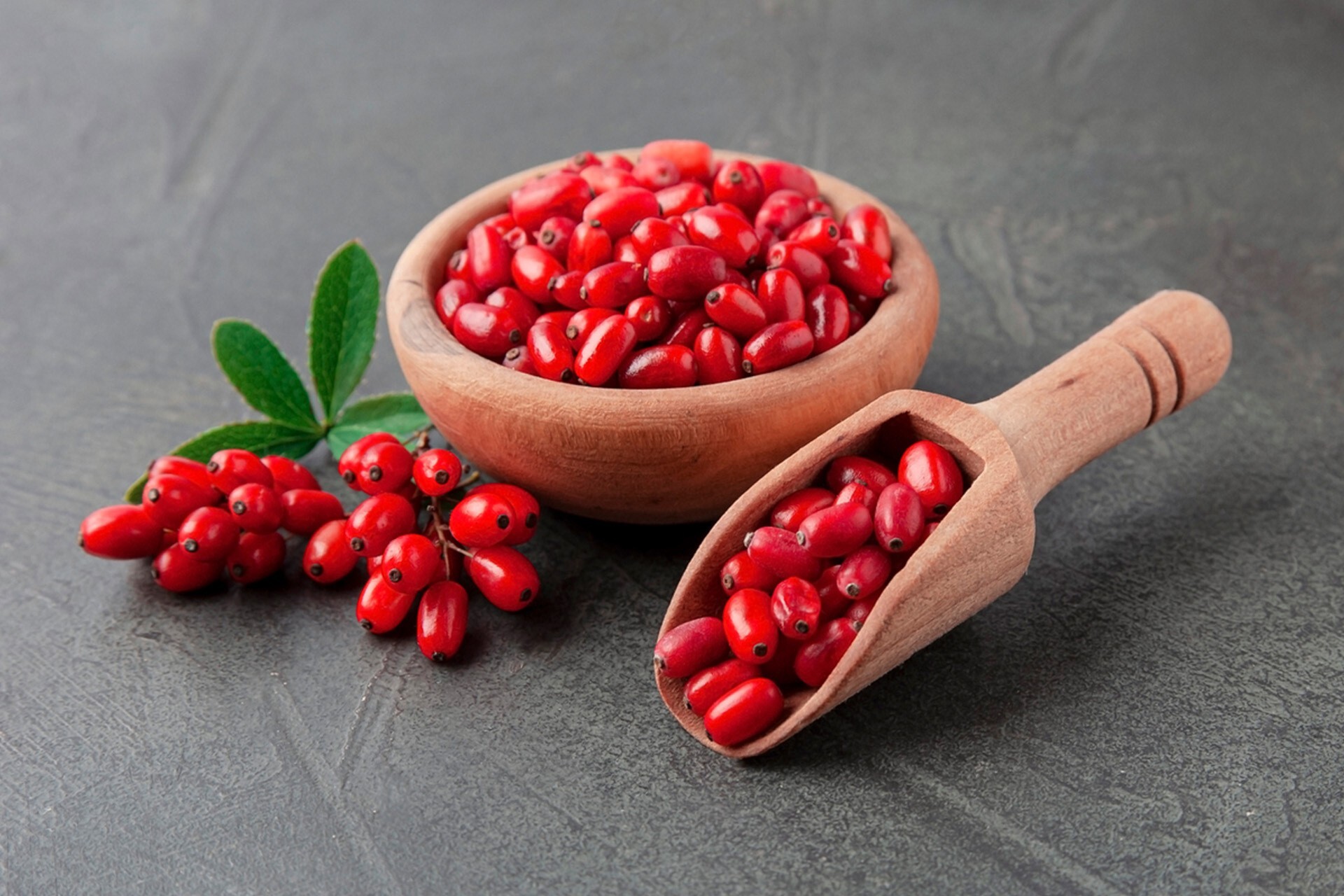
Berberine is a natural compound extracted from plants such as barberry, goldenseal, and tree turmeric. It has been used in traditional Chinese and Ayurvedic medicine for centuries to support digestion, fight infections, and regulate metabolism.
Modern research highlights berberine’s role in improving insulin sensitivity and reducing blood glucose levels.
What Is Metformin?
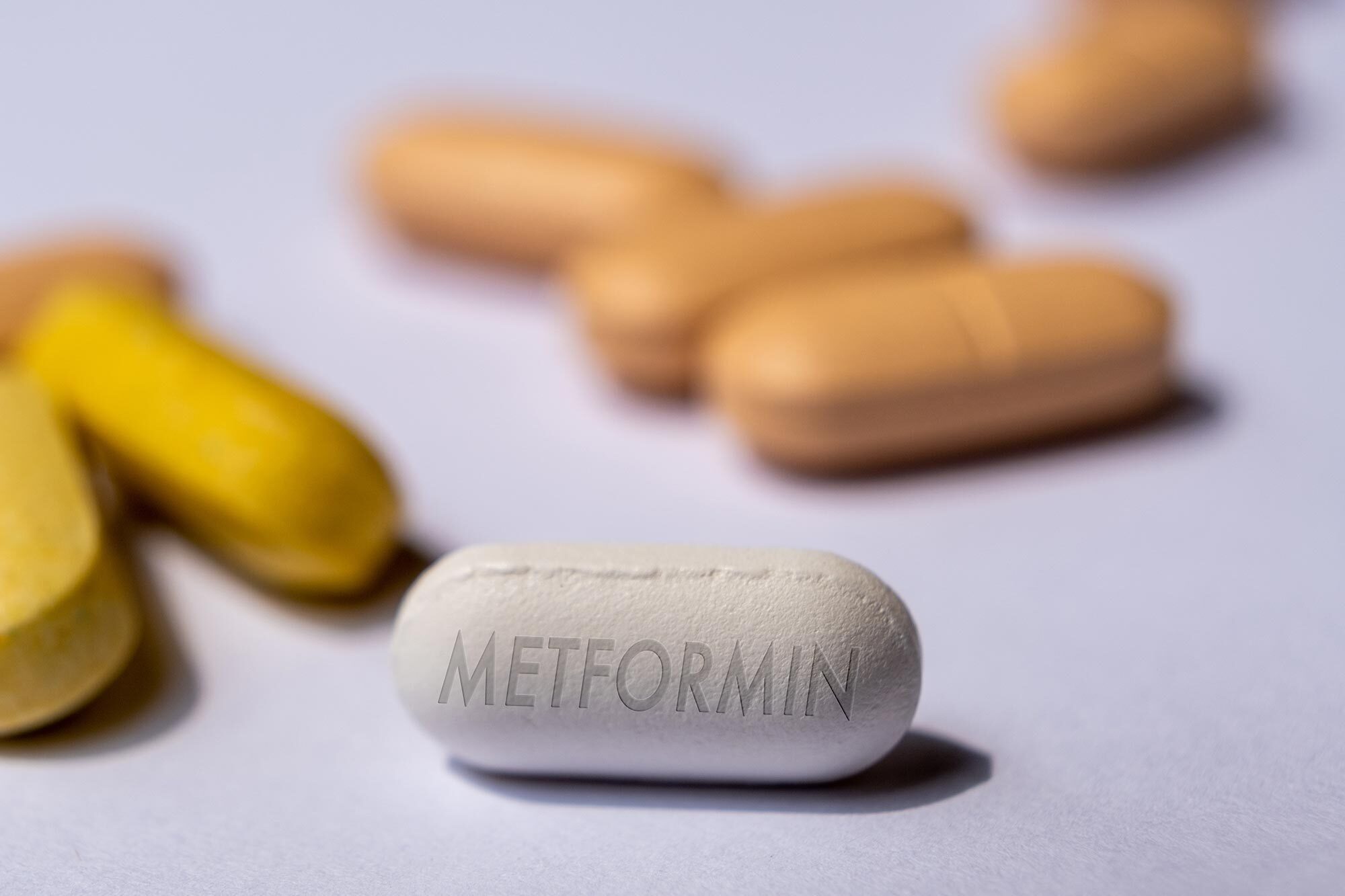
Metformin is a first-line prescription medication for type 2 diabetes. It belongs to the biguanide class and works primarily by lowering glucose production in the liver and improving insulin sensitivity.
The American Diabetes Association recognizes metformin as a cornerstone of diabetes management due to its proven safety and effectiveness.
How They Work in the Body
Mechanism of Action Comparison
|
Feature |
Berberine |
Metformin |
|
Primary function |
Activates the AMPK enzyme |
Reduces liver glucose production |
|
Insulin sensitivity |
Improves |
Improves |
|
Gut microbiome |
Modulates beneficial bacteria |
May alter gut flora |
|
Weight impact |
May support weight loss |
Neutral to modest weight loss |
|
Anti-inflammatory effects |
Yes |
Mild |
Both substances activate AMP-activated protein kinase (AMPK), often called the body’s metabolic master switch. This similarity explains why berberine is sometimes described as “nature’s metformin.”
Effectiveness: What Research Says

Blood Sugar Control
A 2008 study published in Metabolism found berberine to be comparable to metformin in lowering HbA1c levels in people with type 2 diabetes. However, larger and longer-term trials still favor metformin due to decades of clinical evidence.
Dr. Gerald Shulman of Yale School of Medicine notes, “Metformin remains the most studied and reliable first-line therapy for type 2 diabetes.”
Weight and Metabolic Health
Berberine may provide additional benefits for individuals with metabolic syndrome. Some studies suggest modest weight loss and improved cholesterol levels.
Metformin also supports weight neutrality and may assist in modest weight reduction, particularly in insulin-resistant individuals.
Pros and Cons of Berberine
Advantages
-
Natural origin: Appeals to individuals seeking plant-based remedies.
-
Metabolic benefits beyond glucose: May improve cholesterol and triglycerides.
-
Potential weight support: Some users report reduced appetite and mild fat loss.
-
Antimicrobial properties: Traditionally used for gut infections and diarrhea.
Disadvantages
-
Limited regulation: Supplements vary in quality and potency.
-
Gastrointestinal side effects: Can cause constipation, cramps, or diarrhea.
-
Drug interactions: May interact with antibiotics, blood thinners, and other medications.
-
Lack of long-term safety data: Compared with metformin’s extensive research history.
Also, go through: "16 Hidden Health Benefits Of Vitamin E, Uses, Sources, & Dosage"
Pros and Cons of Metformin
Advantages
-
Extensive clinical evidence: Over 60 years of research support its safety and efficacy.
-
Cardiovascular benefits: Associated with reduced risk of heart disease in diabetics.
-
Affordable and widely available: Accessible across public and private healthcare systems.
-
Weight neutrality: Does not typically cause weight gain.
Disadvantages
-
Gastrointestinal discomfort: Nausea, diarrhea, and bloating are common initially.
-
Vitamin B12 deficiency risk: Long-term use may lower B12 levels.
-
Not suitable for severe kidney disease: Requires monitoring of renal function.
-
Prescription requirement: Not accessible without medical supervision.
Side Effects Comparison of Berberine and Metformin

|
Side Effect |
Berberine |
Metformin |
|
Nausea |
Possible |
Common initially |
|
Diarrhea |
Possible |
Common initially |
|
Constipation |
Possible |
Rare |
|
Vitamin B12 deficiency |
No strong link |
Possible long-term |
|
Lactic acidosis |
Not reported |
Rare but serious |
Metformin’s rare risk of lactic acidosis primarily affects individuals with kidney or liver impairment. This is why medical supervision is essential.
Also read: "Basil Seeds Vs. Chia Seeds: Which Should Be Added To Your Diet?"
Cultural and Faith-Based Perspectives on Health
Islam encourages seeking treatment while trusting Allah. The Prophet Muhammad (peace be upon him) said:
“Seek treatment, O servants of Allah, for Allah does not send down any disease but He also sends down its cure.”
— Sunan Ibn Majah, Hadith 3436
Similarly, the Qur’an emphasizes moderation and health stewardship:
“Eat and drink, but do not be excessive.”
— Qur’an 7:31
For Christian readers, the Bible also underscores caring for the body:
“Do you not know that your bodies are temples of the Holy Spirit?”
— 1 Corinthians 6:19
These teachings support responsible healthcare decisions, including using medicine when necessary.
Who Might Benefit from Berberine?
Berberine may be considered by:
-
Individuals with prediabetes seeking lifestyle support
-
People with metabolic syndrome
-
Those unable to tolerate metformin
-
Individuals interested in complementary therapies
However, medical guidance is essential before starting any supplement.
Who Should Use Metformin?
Metformin is typically recommended for:
-
Diagnosed type 2 diabetes patients
-
Individuals with insulin resistance
-
Women with polycystic ovary syndrome (PCOS)
-
People at high risk of diabetes progression
Healthcare providers may also prescribe it for prediabetes in certain cases.
Can Berberine Replace Metformin?
Short answer: No, not without medical supervision.
While some studies suggest comparable glucose-lowering effects, metformin’s long-term safety and standardized dosing make it the preferred first-line therapy.
Berberine may serve as a complementary option, but should never replace prescribed medication without physician approval.
Key Differences at a Glance
|
Aspect |
Berberine |
Metformin |
|
Type |
Herbal supplement |
Prescription medication |
|
Evidence strength |
Moderate |
Strong |
|
Regulation |
Variable |
Strict |
|
Cost |
Moderate |
Low |
|
Long-term safety |
Limited data |
Well established |
|
Best use |
Supportive therapy |
First-line treatment |
Need Healthcare Assistance?
Our expert healthcare professionals, including the best general physicians near you in Pakistan, are here to support you. If you have specific health concerns or queries, Apka Muaalij encourages you to consult your qualified specialists. Book an online video consultation or call 042-32377001.
Frequently Asked Questions
Is berberine as effective as metformin?
Some studies show similar short-term glucose reduction, but metformin has stronger long-term evidence and remains the standard treatment.
Can I take berberine and metformin together?
Some doctors allow combined use, but this must be supervised to avoid hypoglycemia or interactions.
Is berberine safe for long-term use?
Long-term safety data are limited. Periodic medical monitoring is recommended.
Does metformin cause weight loss?
Metformin is generally weight-neutral, though modest weight loss can occur in some individuals.
Can berberine help with PCOS?
Preliminary research suggests benefits, but metformin remains more widely prescribed for PCOS.
Is berberine halal?
Berberine, derived from plant sources, is generally considered halal. Verify capsule ingredients for compliance.
Does metformin affect fasting during Ramadan?
Most scholars permit necessary medication during fasting. Consult both a doctor and a qualified scholar for guidance.
Which is better for prediabetes?
Lifestyle changes are first-line. Metformin may be prescribed for high-risk individuals; berberine may offer supportive benefits.
Are there natural alternatives to metformin?
Berberine is often discussed, but lifestyle interventions such as diet and exercise remain most effective.
Can metformin prevent diabetes?
Research shows it can reduce progression in high-risk individuals, especially when combined with lifestyle changes.
Does berberine lower cholesterol?
Some studies indicate reductions in LDL cholesterol and triglycerides.
Is metformin safe for elderly patients?
Often yes, but kidney function must be monitored closely.
How long does berberine take to work?
Effects may appear within weeks, though consistency and lifestyle changes are crucial.
Can berberine cause low blood sugar?
Rarely alone, but risk increases when combined with other glucose-lowering therapies.
Should I consult a doctor before using berberine?
Yes. Supplements can interact with medications and underlying conditions.
Disclaimer: This article is for educational purposes only and does not constitute medical advice. Always consult a qualified healthcare professional before starting, stopping, or combining any medication or supplement. Individual health needs vary, and proper diagnosis and monitoring are essential for safe and effective treatment.


Dr. Muhammad Usama, RPh
Dr. Muhammad Usama, RPh, is a Senior SEO Content Writer with 6 years of experience, primarily contributing to healthcare and wellness. He crafts engaging, research-driven, and SEO-optimized blogs that simplify complex concepts for readers. Through his unique blend of expertise in content creation, SEO copywriting, and marketing, Dr. Usama is dedicated to producing impactful content that raises awareness, promotes wellness, and supports patient-centered initiatives.