

Talbina: 20 Health Benefits, Side Effects & Prophetic Recipe
Talbina is more than a traditional barley porridge. It is a prophetic food, a source of comfort for the heart, and a nutritionally rich meal supported by both Islamic tradition and modern science. Mentioned in authentic Hadith and increasingly discussed in medical nutrition, Talbina holds a unique place where faith and health meet.
This detailed article explores Talbina in depth. You will learn what Talbina is, why the Prophet Muhammad ﷺ recommended it, its scientifically supported health benefits, possible side effects, and how to prepare the authentic Sunnah recipe correctly. The goal is clarity, authenticity, and real value for everyday life.
Also read: "16 Benefits Of Extra Virgin Olive Oil, Uses, Side Effects & More"
What Is Talbina?
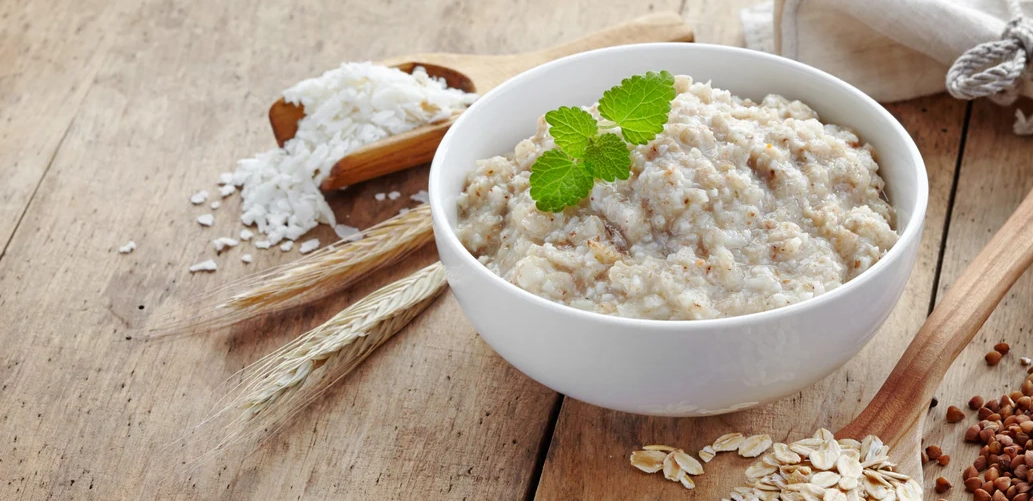
Talbina is a warm, soft food made by cooking ground barley or barley flour in water or milk until it reaches a porridge-like consistency. The name comes from the Arabic word “laban” because its appearance resembles milk.
Talbina has been used for centuries in households as a nourishing and calming food, particularly for the sick, elderly, and emotionally distressed. Unlike refined cereals, it uses whole barley, which retains fiber, minerals, and natural compounds that modern nutrition recognizes as highly beneficial.
Talbina Benefits in Urdu
تلبینہ ایک بابرکت اور غذائیت سے بھرپور غذا ہے جس کے بے شمار جسمانی اور روحانی فوائد ہیں۔ یہ دل کو سکون دیتی ہے، غم اور ذہنی دباؤ میں کمی لانے میں مددگار ثابت ہوتی ہے، جیسا کہ احادیثِ نبوی ﷺ سے ثابت ہے۔ تلبینہ نظامِ ہاضمہ کو بہتر بناتی ہے، قبض سے نجات دیتی ہے اور معدے کے لیے نہایت ہلکی غذا ہے۔ اس میں موجود فائبر، وٹامنز اور معدنیات دل کی صحت کو بہتر بناتے ہیں، کولیسٹرول کم کرنے میں مدد دیتے ہیں اور شوگر لیول کو متوازن رکھتے ہیں۔ بیمار، کمزور اور بزرگ افراد کے لیے تلبینہ ایک بہترین اور آسانی سے ہضم ہونے والی غذا ہے جو جسم کو طاقت اور دل کو راحت فراہم کرتی ہے۔
Also, go through: "11 Powerful Health Benefits of Drinking Milk & Best Time to Drink It"
Talbina in Islam: Quran and Hadith Perspective
While Talbina itself is not named in the Quran, barley is included among the wholesome foods Allah provides for humanity.
Allah says in the Quran:
“O mankind, eat from whatever is on earth that is lawful and good.”
Surah Al-Baqarah (2:168)
The strongest evidence for Talbina comes from authentic Hadith.
Hazrat Aishah (RA) reported:
“When a family member of Allah’s Messenger ﷺ died, the women would gather, then they would disperse except for the family and close relatives. Then Talbina would be prepared and cooked, and then it would be served. Aishah would say: Eat from it, for I heard Allah’s Messenger ﷺ say: Talbina soothes the heart of the sick and relieves some of sorrow.”
Sahih al-Bukhari (Hadith 5689), Sahih Muslim (Hadith 2216)
This Hadith clearly highlights Talbina’s role in emotional healing and physical comfort, centuries before psychology and nutritional psychiatry existed.
Read: "20 Health Benefits of Sesame Seeds & Oil, Uses, Best Time & More"
Nutritional Profile of Talbina (Barley)
Talbina’s benefits come directly from barley’s nutritional composition.
Key Nutrients in Barley
|
Nutrient |
Health Role |
|
Beta-glucan fiber |
Lowers cholesterol, stabilizes blood sugar |
|
Complex carbohydrates |
Provides sustained energy |
|
B vitamins |
Supports the brain and nervous system |
|
Magnesium |
Calms nerves, supports heart health |
|
Iron |
Aids oxygen transport in the blood |
|
Selenium |
Antioxidant, immune support |
|
Plant protein |
Tissue repair and satiety |
According to the British Medical Journal and American Journal of Clinical Nutrition, beta-glucan from barley significantly improves heart health and metabolic balance when consumed regularly.
Read: "Makhana (Fox Nuts): 12 Health Benefits, Nutrients, Uses & Recipes"
20 Proven Health Benefits of Talbina
1. Soothes Grief and Emotional Distress
Talbina’s calming effect aligns with the Hadith. Modern research suggests complex carbohydrates increase serotonin production, which improves mood stability.
2. Supports Mental Health and Anxiety
Barley’s magnesium and B vitamins help regulate the nervous system, reducing anxiety symptoms naturally.
3. Improves Heart Health
Dr. Dariush Mozaffarian, cardiologist and former Dean at Tufts University, states that whole grains like barley reduce cardiovascular disease risk by improving cholesterol profiles.
4. Lowers Bad Cholesterol (LDL)
Beta-glucan binds cholesterol in the gut and helps remove it from the body.
5. Regulates Blood Sugar Levels
Talbina has a low glycemic load when prepared simply, making it suitable for diabetics in moderate portions.
6. Aids Digestion
Its soluble fiber improves gut motility and feeds beneficial gut bacteria.
7. Relieves Constipation Gently
Talbina softens stools without harsh laxative effects.
8. Enhances Gut Microbiome
Fermentable fibers promote healthy intestinal flora, improving immunity and digestion.
9. Supports Weight Management
Talbina increases satiety and reduces unhealthy cravings.
10. Boosts Immunity
Selenium and beta-glucan enhance immune response, especially during illness.
Also read: "21 Top Health Benefits Of Watermelon, Uses, Side Effects & More"
11. Provides Gentle Energy for the Sick
Easily digestible carbohydrates make it ideal during recovery.
12. Strengthens Bones
Magnesium and phosphorus support bone density.
13. Supports Pregnancy Nutrition
Provides iron, fiber, and energy, though portion control is important.
14. Improves Sleep Quality
Magnesium and tryptophan-related pathways promote better sleep.
15. Helps Reduce Inflammation
Whole grains reduce systemic inflammation markers.
16. Supports Healthy Aging
Antioxidants help protect cells from oxidative stress.
17. Beneficial for Children’s Nutrition
When lightly sweetened with dates or honey, it is nutritious and gentle.
18. Supports Liver Health
Fiber assists in detoxification processes.
19. Helps Manage Stress Hormones
Slow-digesting carbs stabilize cortisol levels.
20. Revives the Sunnah of Healing Foods
Talbina reconnects dietary practice with spiritual consciousness.
Read: "کلونجی کے ۱۳ حیران کن فوائد | استعمال، نقصانات اور کھانے کا بہترین وقت"
Prophetic Method: How to Make Talbina
Ingredients
-
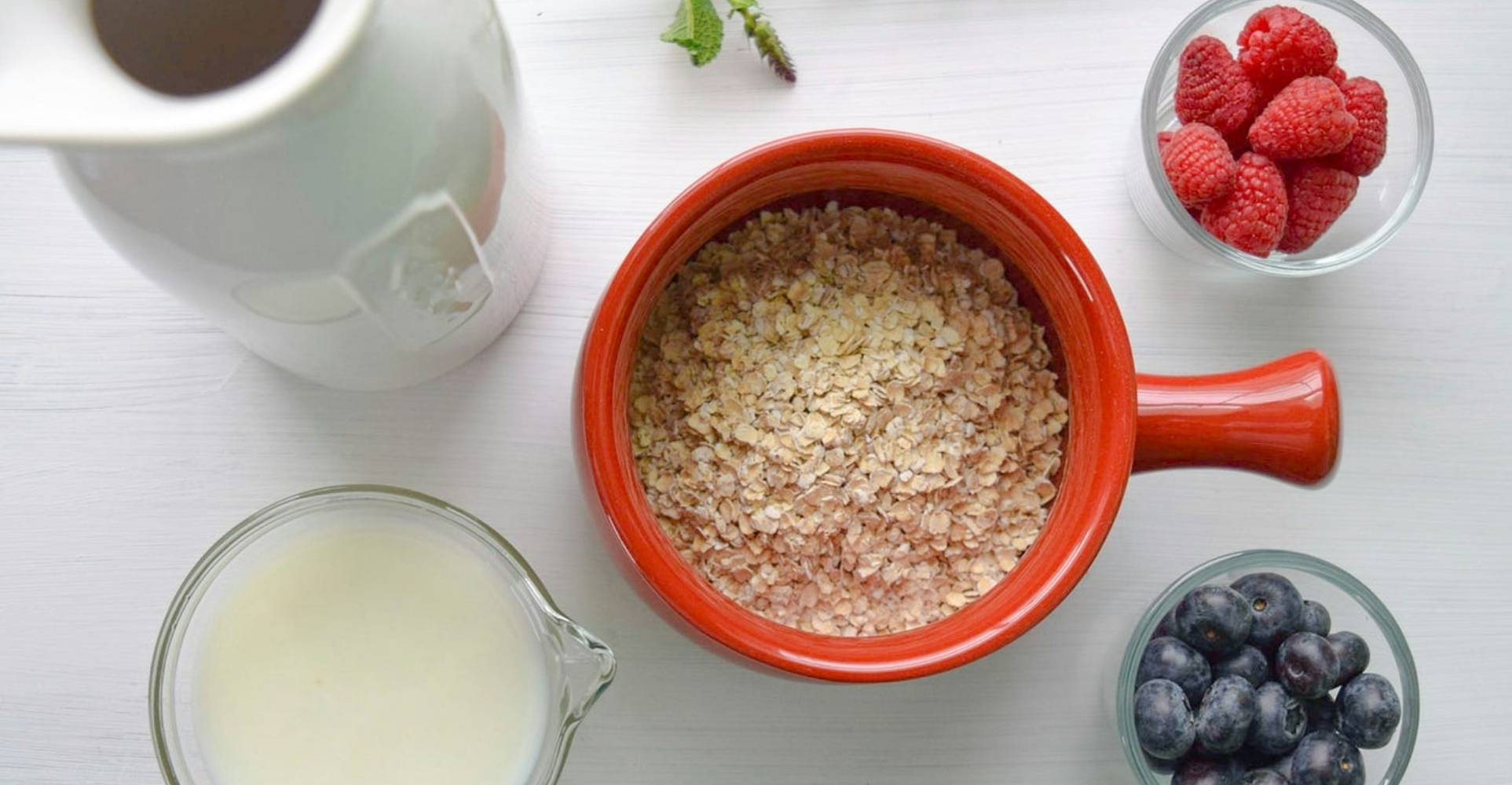
2 tablespoons barley flour or finely ground barley
-
1 cup water or milk
-
Optional: honey for sweetness
Method
-
Add barley flour to cold water or milk.
-
Stir continuously to avoid lumps.
-
Cook on low heat for 10 to 15 minutes.
-
Serve warm. Add honey if desired.
Hazrat Aishah (RA) recommended that Talbina be eaten warm for maximum comfort.
Best Time to Eat Talbina
-
Morning for sustained energy
-
Evening for emotional calm
-
During illness or grief
-
Light dinner for better sleep
Read: "12 Amazing Benefits Of Ajwain (Carom Seeds) In Urdu - اجوائن کے فوائد"
Possible Side Effects of Talbina
While Talbina is generally safe, some considerations are important.
-
Gluten Sensitivity: Barley contains gluten. Individuals with celiac disease must avoid Talbina.
-
Overconsumption: Excessive intake may cause bloating due to high fiber.
-
Blood Sugar Consideration: Diabetics should avoid adding sugar and monitor portion size.
Talbina vs Modern Breakfast Cereals
|
Feature |
Talbina |
Processed Cereals |
|
Fiber |
High |
Low |
|
Additives |
None |
Preservatives |
|
Spiritual value |
Sunnah-based |
None |
|
Blood sugar impact |
Stable |
Often high |
Also read: "17 Surprising Health Benefits Of Anjeer (Dried Figs) - Nutrition, Uses & Side Effects"
Bottom Line
Talbina is a rare example of prophetic wisdom confirmed by modern nutrition. It nourishes the body, calms the heart, and revives a Sunnah that addresses both physical and emotional health. When prepared simply and consumed mindfully, Talbina offers comfort, balance, and healing in a way few foods can.
If you’d like to learn more about your daily nutritional intake and its impact on your overall health, consult with the best nutritionists near you in Pakistan. For quick advice or to book an appointment, call 0423-2377001 and connect with a certified doctor through Apka Muaalij, a trusted telemedicine platform in Pakistan.
Frequently Asked Questions About Talbina
What is Talbina made from?
Talbina is made from barley flour cooked in water or milk until soft.
Is Talbina mentioned in Hadith?
Yes, Talbina is mentioned in Sahih Bukhari and Sahih Muslim as a food that soothes grief.
Can Talbina help with depression?
It supports emotional well-being but does not replace medical treatment.
Is Talbina good for diabetics?
Yes, in moderate portions without added sugar.
Can children eat Talbina?
Yes, it is gentle and nutritious for children.
Is Talbina good during pregnancy?
Generally, yes, but portion control and medical advice are recommended.
Can Talbina help with constipation?
Yes, it's soluble fiber promotes regular bowel movement.
Does Talbina help with sleep?
Yes, its nutrients support relaxation and sleep quality.
Is Talbina gluten-free?
No, barley contains gluten.
How often can Talbina be eaten?
Two to three times a week is suitable for most people.
Can Talbina be eaten cold?
Warm Talbina is preferred for digestion and comfort.
Is Talbina good for heart patients?
Yes, barley supports heart health through cholesterol control.
Can Talbina replace a meal?
It can serve as a light meal, especially during illness.
What sweetener is Sunnah for Talbina?
Honey is preferred and used moderately.
Is Talbina beneficial for the elderly?
Yes, it is easy to digest and nutrient-dense.
Disclaimer: This article is for educational and informational purposes only. It does not replace professional medical advice, diagnosis, or treatment. Individuals with medical conditions, allergies, or dietary restrictions should consult a qualified healthcare provider before making dietary changes. Always follow personalized medical guidance alongside Sunnah-based practices.

Find & Book the best "Nutritionist" near you
Book Appointment
Dr. Bisma Shehzadi
Dr. Dr. Bisma Shehzadi is a highly experienced specialist based in Lahore, Pakistan with over several years of clinical expertise. Specializing in evidence-based and patient-centered care, they provides advanced treatment tailored to individual needs. Currently available on Apka Muaalij, appointments can be booked at 042-32377001.