

12 Urgent Signs That Your Child Needs A Pediatrician Right Away


Parenting often involves decoding signals that aren’t always obvious. Children may not have the language to describe what they feel, and some serious conditions begin with symptoms that appear mild at first. Knowing when to seek immediate pediatric care can make a meaningful difference in outcomes.
Pediatricians routinely emphasize that early intervention prevents complications. According to guidance from organizations such as the American Academy of Pediatrics (AAP) and the Centers for Disease Control and Prevention (CDC), certain symptoms in children should never be delayed for home monitoring. Recognizing urgent warning signs helps parents act quickly while avoiding unnecessary panic over normal childhood illnesses.
This comprehensive guide explains the 12 urgent signs that your child needs a pediatrician right away, why they matter medically, and what parents should do next. It also clarifies common misunderstandings and provides evidence-based insight grounded in pediatric practice.
Get an instant in-clinic or online doctor consultation today, through Apka Muaalij.
Key Takeaways
-
Persistent high fever, breathing difficulty, and dehydration are among the most urgent pediatric warning signs.
-
Sudden behavior changes or lethargy may signal serious illness even when physical symptoms seem mild.
-
Head injuries, seizures, and allergic reactions require immediate medical evaluation.
-
Parents should pay attention to symptom duration, severity, and changes from normal behavior.
-
Early pediatric care improves outcomes and prevents complications.
-
Trusting parental instincts often leads to earlier and safer medical intervention.
Also read: "How Vitamin D Deficiency Affects Children - Signs, Causes, & Treatment"
Understanding When a Child’s Symptoms Become Urgent

Children experience frequent minor illnesses such as colds, stomach bugs, or mild fevers. These are part of immune system development. However, pediatric emergencies typically involve one or more of the following:
-
Rapidly worsening symptoms
-
Signs of dehydration or breathing distress
-
Neurological or behavioral changes
-
Persistent pain or unusual physical changes
-
Symptoms that do not improve with basic care
A useful rule child specialists often share with parents is this: severity, duration, and behavior changes matter more than the symptom alone.
Normal Childhood Illness vs Urgent Pediatric Concern
|
Symptom |
Often Normal |
Requires a Pediatrician Quickly |
|
Fever |
Low-grade fever for 1–2 days |
High fever or persistent fever |
|
Cough |
Mild cold symptoms |
Breathing difficulty or wheezing |
|
Stomach pain |
Occasional discomfort |
Severe or ongoing abdominal pain |
|
Vomiting |
Short-term stomach bug |
Persistent vomiting or dehydration |
|
Behavior |
Temporary tiredness |
Sudden lethargy or confusion |
|
Rash |
Mild rash without fever |
Rash with fever or spreading quickly |
|
Injury |
Minor bumps |
Head injury with vomiting or confusion |
This distinction helps parents decide when to monitor and when to seek immediate care.
Also, go through: "10 Common Childhood Illnesses In Pakistan & How To Treat Them?"
12 Urgent Signs That Your Child Needs A Pediatrician Right Away
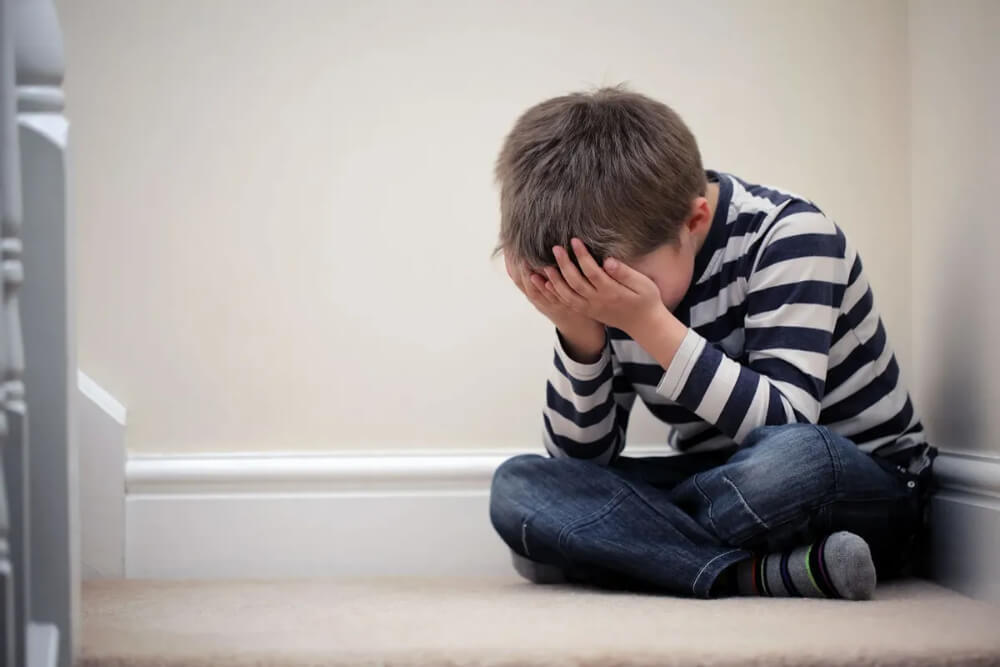
1. High Fever That Doesn’t Improve or Appears Suddenly
What qualifies as an urgent fever in children?
A fever becomes concerning when it crosses certain thresholds or persists despite medication. Pediatric guidance generally considers urgent evaluation when:
-
Infants under 3 months have a temperature of 38°C (100.4°F) or higher
-
Fever lasts longer than 48–72 hours
-
Fever accompanies rash, vomiting, or lethargy
-
The child appears unusually weak or unresponsive
The American Academy of Pediatrics notes that fever in newborns can signal serious infections such as sepsis or meningitis and should always be evaluated promptly.
In clinical practice, pediatricians often look beyond the number on the thermometer. A child who is unusually quiet, difficult to wake, or refusing fluids alongside a fever requires urgent assessment.
2. Breathing Difficulties or Rapid Breathing
Why do breathing problems in children require immediate attention
Breathing distress can escalate quickly in children because their airways are smaller and more sensitive to swelling or infection.
Warning signs include:
-
Fast breathing
-
Chest pulling inward while breathing
-
Flaring nostrils
-
Wheezing or persistent coughing
-
Bluish lips or fingernails
These symptoms may indicate conditions such as:
-
Asthma attacks
-
Pneumonia
-
Bronchiolitis
-
Severe allergic reactions
Research published in The Lancet Child & Adolescent Health highlights respiratory illness as one of the leading reasons for pediatric emergency visits worldwide.
If breathing appears labored or abnormal, contacting a pediatrician immediately is critical.
3. Persistent Vomiting or Severe Diarrhea
Occasional vomiting in children is common, especially during viral illnesses. However, persistent vomiting or diarrhea can quickly lead to dehydration.
Signs that require urgent pediatric evaluation
-
Vomiting lasting more than 24 hours
-
Green or bloody vomit
-
Severe diarrhea multiple times per day
-
Child unable to keep fluids down
-
Signs of dehydration
Common dehydration signs include:
-
Dry mouth or lips
-
Reduced urination
-
Sunken eyes
-
Extreme fatigue
The World Health Organization (WHO) emphasizes that dehydration is one of the most preventable yet serious risks in childhood illnesses, particularly among infants and toddlers.
Early treatment with fluids and medical guidance can prevent complications.
4. Unusual Sleepiness, Weakness, or Lethargy
What does lethargy mean in children medically?
Lethargy refers to a level of tiredness or reduced responsiveness that is abnormal for the child’s age and typical behavior.
Parents often describe this as:
-
Child difficult to wake
-
Lack of interest in favorite activities
-
Minimal response to voices or touch
-
Sleeping excessively without improvement
In pediatric medicine, lethargy can signal:
-
Severe infections
-
Dehydration
-
Head injury
-
Metabolic disorders
Doctors emphasize that changes in energy level are sometimes more important than visible symptoms.
If a normally active child suddenly becomes unusually weak or withdrawn, prompt evaluation is necessary.
5. Severe or Persistent Abdominal Pain
Children frequently complain about stomachaches, but persistent or severe abdominal pain can indicate underlying medical conditions.
Urgent signs linked to abdominal pain
Seek a pediatrician quickly if the pain:
-
Lasts more than several hours
-
Becomes increasingly severe
-
Is localized to the lower right abdomen
-
Is accompanied by fever or vomiting
-
Causes the child to double over or refuse to walk
Potential causes may include:
-
Appendicitis
-
Intestinal infection
-
Food poisoning
-
Urinary tract infection
-
Inflammatory bowel disease
Studies in the Pediatrics Journal show abdominal pain is among the most common symptoms that lead to emergency pediatric diagnoses such as appendicitis.
Also read: "How To Choose The Right Pediatrician For Your Child In Pakistan?"
6. Rash With Fever or Rapidly Spreading Skin Changes
Most childhood rashes are harmless. However, certain rash patterns combined with fever require immediate medical attention.
Dangerous rash warning signs
-
Purple or dark spots on the skin
-
Rapidly spreading rash
-
Blisters or swelling
-
Rash with high fever
-
Rash with difficulty breathing
Serious conditions associated with these symptoms include:
-
Meningococcal infection
-
Severe allergic reactions
-
Viral illnesses such as measles
-
Skin infections
The CDC advises parents to treat rash combined with fever as a medical priority.
Photographing the rash before visiting the pediatrician can also help doctors assess progression.
7. Sudden Behavior Changes or Confusion
Behavioral shifts can sometimes reveal health problems earlier than physical symptoms.
Warning behavior patterns
-
Confusion or disorientation
-
Extreme irritability
-
Sudden aggression
-
Loss of coordination
-
Difficulty speaking or responding
Neurological symptoms like these can be associated with:
-
Head injury
-
Brain infections
-
Severe dehydration
-
Toxic exposure
-
High fever complications
Pediatric neurologists often explain that parents are the first to notice subtle neurological changes, making early consultation extremely valuable.
8. Refusal to Eat or Drink for an Extended Period
Short-term appetite changes are normal in children. However, prolonged refusal to eat or drink can quickly affect hydration and energy levels.
When to seek pediatric care
-
Child refuses fluids for several hours
-
Reduced urination
-
Signs of dehydration
-
Weakness or dizziness
-
Weight loss
Infants and toddlers are particularly vulnerable because they require frequent nutrition for growth.
Research from Harvard Medical School’s pediatric health resources highlights hydration as one of the most critical factors in early childhood illness recovery.
9. Seizures or Uncontrolled Movements
A seizure in a child is always alarming and requires immediate medical evaluation, especially if it occurs for the first time.
Seizure warning signs
-
Uncontrolled shaking
-
Loss of awareness
-
Staring spells
-
Sudden stiffness
-
Temporary breathing pauses
Febrile seizures may occur in young children with high fever, but a pediatrician should still evaluate them promptly to rule out other causes.
According to the National Institute of Neurological Disorders and Stroke, seizures in children often require careful diagnosis to determine underlying conditions.
10. Head Injury With Symptoms After the Incident
Children frequently bump their heads during play, but certain symptoms after an injury should never be ignored.
Urgent symptoms after head trauma
-
Repeated vomiting
-
Severe headache
-
Drowsiness
-
Confusion
-
Sensitivity to light
-
Balance problems
These signs may indicate a concussion or more serious brain injury.
Pediatric emergency departments often observe children for several hours after head injuries because symptoms can develop gradually.
11. Signs of Severe Allergic Reaction
A severe allergic reaction, known medically as anaphylaxis, is one of the most urgent pediatric emergencies.
Symptoms that require immediate care
-
Swelling of the lips, face, or throat
-
Difficulty breathing
-
Hives spreading quickly
-
Vomiting or dizziness
-
Sudden drop in energy
Food allergies, insect stings, medications, and environmental triggers are common causes.
The American College of Allergy, Asthma & Immunology emphasizes rapid treatment with epinephrine and urgent medical care.
12. Persistent Pain That Doesn’t Improve
Children may struggle to describe pain accurately, which makes prolonged discomfort especially important to evaluate.
Warning pain symptoms
-
Pain lasting more than a day or two
-
Pain wakes the child at night
-
Severe headaches
-
Pain with swelling or fever
-
Joint pain affects movement
Persistent pain may signal:
-
Infection
-
Injury
-
Migraines
-
Inflammatory conditions
-
Rare pediatric disorders
Pediatricians often recommend seeking care early when pain interferes with sleep, eating, or movement.
Also read: "The Importance Of Vaccinations For Children In Pakistan - 2025 Guide"
Why Early Pediatric Evaluation Matters
Prompt medical attention can:
-
Prevent complications
-
Detect serious illnesses early
-
Reduce hospitalization risk
-
Provide targeted treatment
-
Offer reassurance for parents
Research from The Journal of Pediatrics consistently shows that early diagnosis significantly improves outcomes in childhood infections, respiratory diseases, and neurological conditions.
Children’s bodies change rapidly, which means symptoms can evolve faster than they do in adults.
Also read: "21 Surprisingly Effective Strategies To Prevent Heart Attack"
Common Misconceptions Parents Should Know
Many parents delay care because of widely shared myths. Clarifying these helps improve decision-making.
Misconception 1: Fever alone is always dangerous
In reality, fever is often a normal immune response. What matters is the child’s behavior, age, and accompanying symptoms.
Misconception 2: If a child is sleeping, they are recovering
Excessive sleepiness or difficulty waking may signal a serious issue.
Misconception 3: Vomiting is normal in most illnesses
Occasional vomiting can occur, but persistent vomiting with dehydration requires evaluation.
Misconception 4: Children will always show clear symptoms
Many serious pediatric conditions begin subtly, which is why monitoring behavior changes is important.
What Parents Should Do While Waiting to See a Pediatrician

When symptoms appear urgent but immediate emergency services are not required, these steps can help.
Practical steps parents can take
-
Record symptoms and timeline
-
Measure temperature accurately
-
Monitor breathing and hydration
-
Offer fluids if tolerated
-
Avoid giving medications without guidance
-
Keep emergency contact numbers ready
Bringing a short symptom history helps pediatricians diagnose more effectively.
Also, go through: "25 Pro Tips On How To Sleep Better At Night Naturally"
Need Healthcare Assistance?
Our expert healthcare professionals, including the best child specialist/pediatrician near you in Lahore, Karachi, Islamabad, and across Pakistan, are here to support you. If you have specific health concerns, queries, or lab tests, Apka Muaalij encourages you to consult your qualified specialists. Book an online video consultation or call 042-32377001.
Frequently Asked Questions (FAQs)
How do I know if my child’s fever is serious?
A fever becomes concerning if it occurs in infants under three months, lasts longer than two to three days, exceeds typical ranges, or appears with symptoms such as lethargy, rash, or vomiting. In those cases, contacting a pediatrician quickly is recommended.
When should I take my child to the doctor for vomiting?
Occasional vomiting may not require medical care. However, repeated vomiting, inability to keep fluids down, signs of dehydration, or vomiting that lasts longer than 24 hours should be evaluated by a pediatrician.
Is breathing fast always dangerous in children?
Children sometimes breathe faster during a fever or activity. However, persistent rapid breathing, chest retractions, wheezing, or bluish lips are warning signs of respiratory distress and require urgent medical assessment.
What symptoms suggest dehydration in children?
Key dehydration signs include dry mouth, reduced urination, sunken eyes, fatigue, and refusal to drink fluids. These symptoms often appear during vomiting or diarrhea illnesses and should prompt quick consultation with a pediatrician.
Should I worry about sudden behavior changes in my child?
Yes. Sudden confusion, unusual irritability, extreme fatigue, or withdrawal from normal activities can indicate illness, neurological issues, or dehydration. These changes are important signals that should not be ignored.
When is a rash considered dangerous in children?
A rash becomes concerning when it spreads rapidly, appears purple or dark, forms blisters, or occurs alongside fever or breathing problems. Such symptoms may signal infections or allergic reactions requiring urgent medical care.
Are seizures common in children with fever?
Febrile seizures can occur in some children with high fever, usually between six months and five years old. Although many are brief and harmless, any seizure should be evaluated by a pediatrician to rule out serious causes.
What signs after a head injury require immediate attention?
Vomiting, confusion, drowsiness, severe headache, balance problems, or sensitivity to light after a head injury are warning signs that may indicate concussion or brain injury. Medical evaluation should be sought promptly.
When should parents trust their instincts about their child’s health?
If something feels significantly different about your child’s behavior, energy level, or physical condition, it is appropriate to contact a pediatrician. Parents often notice early signs before symptoms become medically obvious.
Can mild symptoms still lead to serious conditions in children?
Yes. Some serious illnesses begin with mild symptoms such as fatigue or decreased appetite. Monitoring changes and seeking medical advice early can help identify problems before they become severe.
Disclaimer: This article is intended for educational and informational purposes only and does not replace professional medical advice, diagnosis, or treatment. If your child shows urgent symptoms such as breathing difficulty, seizures, severe allergic reactions, or loss of consciousness, seek emergency medical care immediately or contact your local emergency services. Always consult a qualified pediatrician regarding concerns about your child’s health.

Find & Book the best "Pediatrician" near you
Book Appointment