

12 Easy & Effective Home Remedies For Swollen Gums
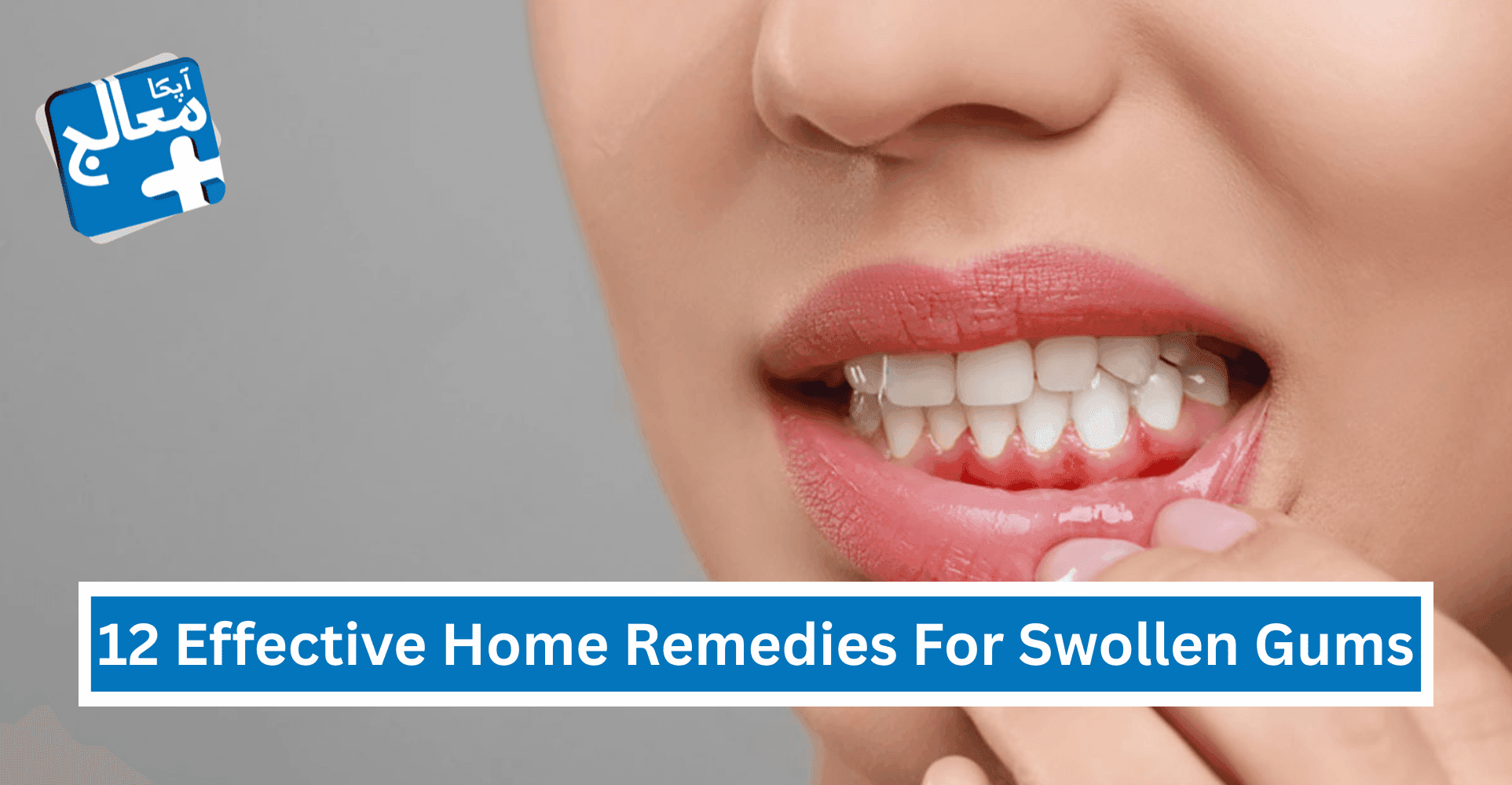
Swollen gums are more than a cosmetic concern. They often signal inflammation, infection, or early gum disease that should never be ignored. For many people, gum swelling brings tenderness, bleeding during brushing, bad breath, or a dull throbbing pain that affects daily life and worship alike.
The good news is that mild to moderate gum swelling can often be eased at home when addressed early and correctly. This blog brings together dental science, traditional wisdom, and Islamic perspectives to help you care for your gums safely and responsibly.
Let's dive in.
Also read: "Why Is My Period Late? 21 Possible Reasons For A Delayed Period"
Understanding Swollen Gums
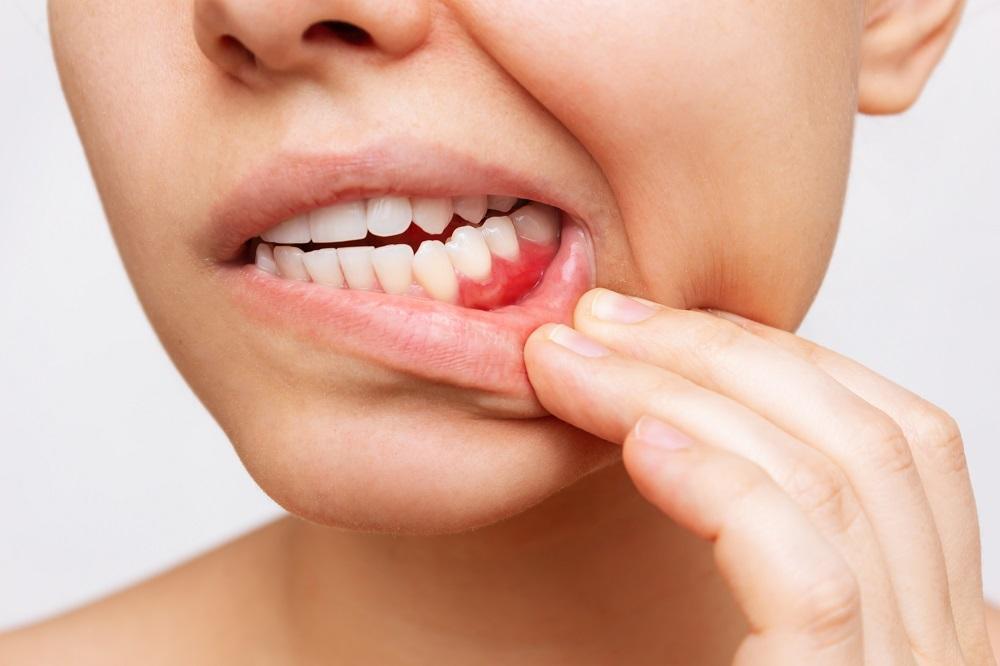
Swollen gums occur when gum tissue becomes inflamed and retains fluid. This condition is medically referred to as gingival inflammation and is commonly associated with gingivitis.
Common causes include:
-
Plaque and tartar buildup
-
Poor oral hygiene
-
Vitamin deficiencies, especially vitamin C
-
Hormonal changes
-
Mouth breathing
-
Smoking or gutka use
-
Stress and lowered immunity
-
Improper brushing technique
According to the American Dental Association, gingivitis is reversible if treated early through proper oral hygiene and professional care. Ignoring gum swelling can allow it to progress into periodontitis, which can lead to tooth loss.
When Home Remedies Are Appropriate
Home remedies are best suited for:
-
Mild swelling
-
Early gum irritation
-
Temporary inflammation from food debris or plaque
They are not a replacement for professional dental care in cases of:
-
Severe pain
-
Pus discharge
-
Loose teeth
-
Persistent bleeding
-
Fever or facial swelling
If symptoms last longer than 7 to 10 days, a dentist should be consulted.
Also, go through: "27 Magnesium-Rich Foods That Are Healthy For Men & Women"
12 Easy and Effective Home Remedies for Swollen Gums

1. Warm Salt Water Rinse
Salt water is one of the most widely recommended remedies by dentists worldwide.
Why it works:
Salt creates an environment that discourages bacterial growth and helps reduce inflammation.
How to use:
Dissolve half a teaspoon of salt in a glass of warm water. Rinse gently for 30 seconds, twice daily.
A review published in the Journal of Indian Society of Periodontology highlights saltwater rinses as a supportive therapy for gingival inflammation.
2. Proper Brushing and Gentle Flossing
Many people stop brushing swollen gums due to pain, which worsens the condition.
Key tips:
-
Use a soft-bristled toothbrush
-
Brush at a 45-degree angle to the gum line
-
Avoid aggressive scrubbing
-
Floss gently once daily
The Mayo Clinic emphasizes that plaque removal is the cornerstone of preventing and reversing gingivitis.
3. Cold Compress for External Swelling
If gum swelling is accompanied by facial puffiness or tenderness, cold therapy helps.
How to apply:
Wrap ice in a clean cloth and place it against the cheek near the swollen area for 10 minutes. Repeat as needed.
Cold compresses reduce blood flow temporarily, easing pain and swelling.
4. Turmeric Paste
Turmeric has been studied extensively for its anti-inflammatory and antibacterial properties.
Why it works:
Curcumin, turmeric’s active compound, helps control inflammatory responses in gum tissue.
How to use:
Mix turmeric powder with a few drops of water or coconut oil to form a paste. Apply gently to gums for 5 minutes, then rinse.
A study in the Journal of Clinical and Diagnostic Research found turmeric gel comparable to chlorhexidine in reducing gingivitis.
5. Aloe Vera Gel
Pure aloe vera gel soothes irritated tissues and promotes healing.
How to use:
Apply a thin layer of food-grade aloe vera gel directly to swollen gums. Leave for 5 minutes, then rinse.
Research published in the Journal of Periodontology supports aloe vera’s role in reducing plaque and gum inflammation.
Also read: "Why Is My Period Late? 21 Possible Reasons For A Delayed Period"
6. Oil Pulling with Coconut or Sesame Oil
Oil pulling is a traditional practice with growing scientific support.
Why it works:
Oil binds to bacteria and reduces plaque accumulation.
How to do it:
Swish one tablespoon of coconut or sesame oil in the mouth for 10 to 15 minutes on an empty stomach. Spit out and rinse.
A study in the Journal of Clinical and Diagnostic Research found that oil pulling reduced gingival index scores when used consistently.
7. Miswak (Siwak) from an Islamic Perspective
Miswak is deeply rooted in Islamic tradition and oral health.
The Prophet Muhammad ﷺ said:
“Miswak purifies the mouth and pleases the Lord.” (Sahih al-Bukhari)
Modern studies from King Saud University confirm that miswak has antimicrobial properties effective against oral bacteria.
Using miswak gently, especially before prayers, supports gum health naturally.
8. Vitamin C Rich Foods
Vitamin C deficiency is a known contributor to swollen and bleeding gums.
Best sources include:
-
Oranges
-
Guava
-
Amla
-
Strawberries
-
Bell peppers
Harvard Medical School notes that vitamin C supports collagen production and gum tissue repair.
Avoid supplements unless advised by a healthcare professional.
9. Clove Oil for Pain and Swelling
Clove contains eugenol, a natural anesthetic and antiseptic.
How to use:
Dilute one drop of clove oil in a teaspoon of carrier oil. Apply gently to the affected area using a cotton swab.
Clove oil should never be used undiluted.
10. Green Tea Rinse
Green tea is rich in catechins that combat inflammation.
How to use:
Brew green tea, let it cool, and use it as a mouth rinse once daily.
Research from the Journal of Periodontology associates green tea consumption with reduced periodontal inflammation.
11. Hydrogen Peroxide Rinse (Diluted)
Hydrogen peroxide helps reduce bacteria and plaque when used correctly.
How to use:
Mix equal parts 3 percent hydrogen peroxide and water. Rinse gently and spit out. Do not swallow.
Use no more than once daily and avoid long-term use.
12. Stay Hydrated and Avoid Mouth Breathing
Dry mouth increases bacterial growth and gum irritation.
Tips:
-
Drink water frequently
-
Avoid excessive caffeine
-
Treat nasal congestion
-
Use a humidifier if needed
Saliva plays a critical role in protecting gums and teeth.
Also read: "Nipah Virus: Symptoms, Causes, Transmission, Prevention, & Updates"
Quick Reference Table
|
Remedy |
Primary Benefit |
Frequency |
|
Salt Water Rinse |
Reduces bacteria and swelling |
2x daily |
|
Turmeric Paste |
Anti-inflammatory |
3 to 4x weekly |
|
Aloe Vera |
Soothes and heals |
Daily |
|
Oil Pulling |
Reduces plaque |
Daily |
|
Miswak |
Natural cleansing |
Multiple times |
|
Vitamin C Foods |
Tissue repair |
Daily |
Prevention Tips for Long-Term Gum Health
-
Brush twice daily
-
Floss once daily
-
Use a miswak regularly
-
Limit sugary snacks
-
Avoid tobacco and gutka
-
Schedule dental checkups every six months
Read: "Ozempic Injection In Pakistan: Uses, Dosage, Side Effects, Cost & More"
Bottom Line
Swollen gums are often a warning sign, not a minor inconvenience. With early attention, proper hygiene, and evidence-based home remedies, most mild cases can be managed effectively. Integrating Sunnah practices like miswak with modern dental care creates a balanced approach that benefits both health and spirituality.
If you’d like to learn more about your overall health, consult with the best nutritionists or top dentists near you in Pakistan. For quick advice or to book an appointment, call 0423-2377001 and connect with a certified doctor through Apka Muaalij, a trusted telemedicine platform in Pakistan.
Frequently Asked Questions (FAQs)
Can swollen gums heal on their own?
Mild swelling can improve with proper oral hygiene and home care, but persistent swelling needs dental evaluation.
Are swollen gums always a sign of gum disease?
Not always. They can result from irritation, vitamin deficiency, or hormonal changes.
How long does it take for swollen gums to go down?
With consistent care, mild cases improve within 3 to 7 days.
Is salt water safe for daily use?
Yes, when used gently and not excessively.
Can miswak replace a toothbrush?
Miswak is beneficial but works best alongside modern brushing.
Are home remedies enough for bleeding gums?
Early cases may respond, but continued bleeding requires professional care.
Can stress cause swollen gums?
Yes. Stress weakens immunity and increases inflammation.
Is turmeric safe for gums?
Yes, when used topically in small amounts.
Can children use these remedies?
Most are safe, but essential oils should be avoided without guidance.
Is hydrogen peroxide safe?
Only when diluted and used for the short term.
Can swollen gums affect fasting?
Pain and bleeding can make fasting uncomfortable, but do not invalidate it.
Do hormonal changes affect gum swelling?
Yes, especially during pregnancy or puberty.
Is green tea better than black tea for gums?
Green tea contains more anti-inflammatory compounds.
When should I see a dentist immediately?
If there is severe pain, pus, fever, or loose teeth.
Disclaimer: This article is for educational purposes only and does not replace professional dental or medical advice. Always consult a qualified dentist or healthcare provider for diagnosis and treatment of oral health conditions, especially if symptoms are severe or persistent.


Dr. Bisma Shehzadi
Dr. Bisma Shehzadi, Pharm.D, RPh, is working as a professional seasoned content writer with 4 years of experience in healthcare and wellness writing. With a strong pharmaceutical background and clinical knowledge, she creates research-driven, search-optimized articles that simplify complex medical topics. Her writing enables her to craft content that educates, promotes wellness, and supports healthcare initiatives among online users and readers.