

The Role Of A Clinical Dietitian In Cancer Nutrition Support
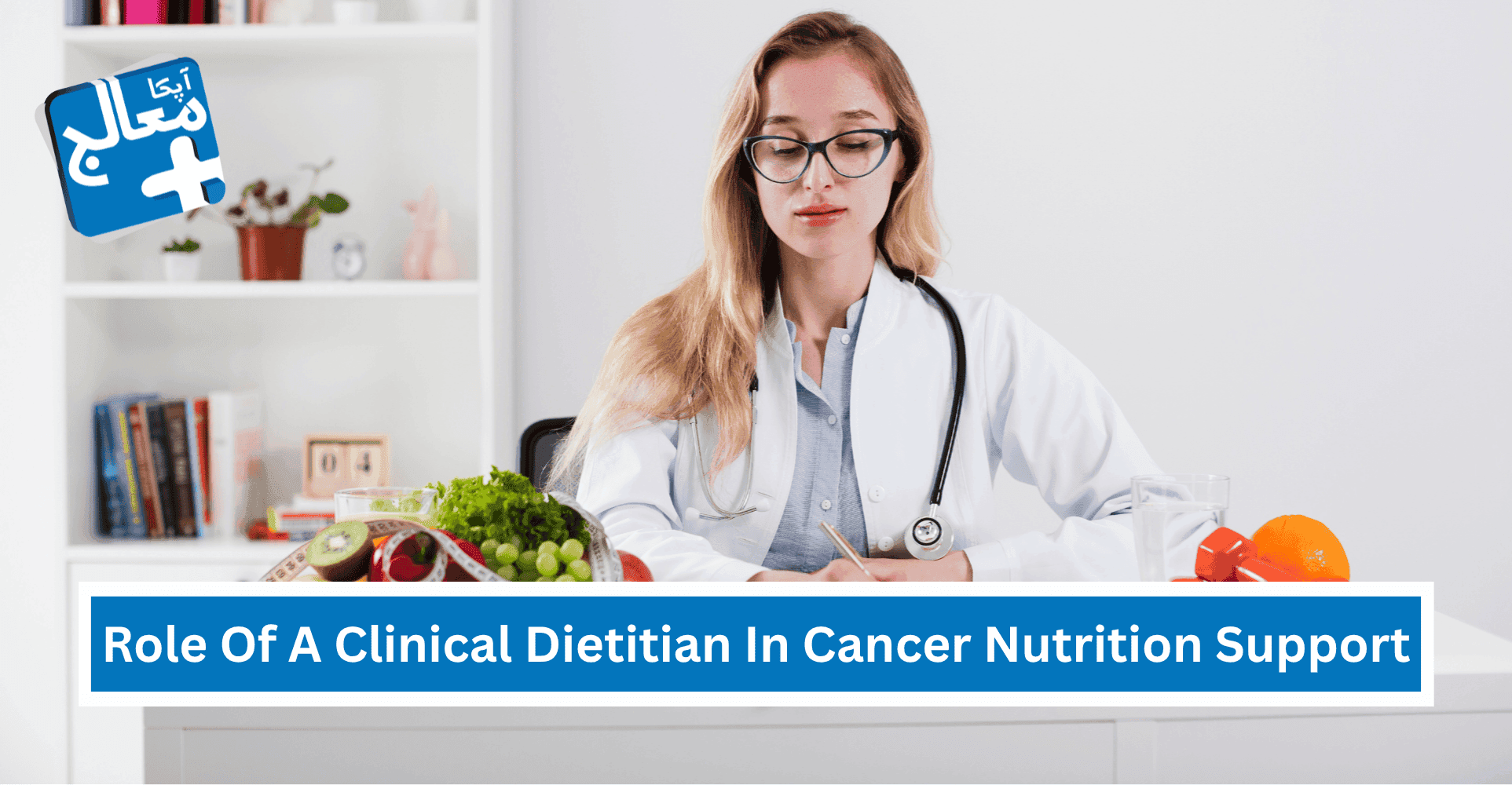
Cancer is a disease that is becoming increasingly common over time. It is a complex and challenging condition not only for oncologists and surgeons but also for the entire supportive care team. Among them, clinical dietitians play a vital role in maintaining the patient's overall health and well-being. They ensure that patients receive the necessary nutrients to fight the disease, recover from therapies, and maintain a good quality of life.
Let's discuss the role of a clinical dietitian in cancer nutrition support in this blog.
If you want to book your appointment with a top clinical dietician for your nutritional aid, contact Apka Muaalij now.
Cancer and Its Nutritional Challenges
Medical nutrition therapy (MNT) improves patients' ability to tolerate treatment, quality of life during and post-treatment, and survival. MNT reduces weight loss, unplanned hospitalizations, lengths of stay in hospital, and breaks in treatment. About 60 percent of cancer patients exhibit nutritional risk factors at their initial oncology visit, and roughly 85 percent of these patients experience malnutrition at some point during treatment. Nutrition is a cornerstone of health, and its importance is magnified during cancer treatment. Proper nutrition supports the immune system, helping to lower the risk of infections and aid healing. Nutritional deficiencies can lead to fatigue and a reduced quality of life, making it harder for patients to cope with treatment.
Eating right is an essential part of living a healthy life. But for those who have been diagnosed with cancer, it is especially crucial for treatment, and it helps your body have the best chance to fight the good fight.
According to the American Society of Clinical Oncology (ASCO),
"Malnutrition in cancer patients can lead to increased treatment-related toxicity, reduced response to therapy, and poorer survival outcomes."
Who is a Clinical Dietitian?
Clinical dietitians are Registered Dietitians who specialize in working in healthcare settings. The primary task of a clinical dietitian is to design nutrition programs to improve or maintain the health of patients, which is often at the center of the interactions between doctor, patient, and the staff of the facility in which care is administered. Clinical nutritionists assess a person's diet, along with clinical status and medical history, to determine how their nutritional intake can impact their health, prevent disease, or mitigate the symptoms of a chronic illness.
According to the Academy of Nutrition and Dietetics'
"The clinical dietitian translates science into the plate. Their role in cancer care is as therapeutic as it is educational."
Read also: "15 Best Foods to Improve Gut Health Naturally - What Doctors Say"
Role of Clinical Dietitians in Cancer Nutrition Support
Nutritional Assessment
The first task of a clinical dietitian is to conduct a comprehensive nutritional assessment, which includes
- Body weight and body mass index (BMI) history
- Laboratory values (albumin, pre-albumin, CRP, etc.)
- Dietary intake and eating behaviors
- Gastrointestinal symptoms
Treatment side effects
- The goal is to identify patients at risk of malnutrition or cachexia (cancer-related muscle wasting).
Individualized Meal Planning
Once the assessment is complete, the dietitian tailors a nutritional plan specific to the patient:
- Type of cancer
- Stage of disease
- Treatment regimen
- Food preferences and restrictions
- Co-morbid conditions (e.g., diabetes, renal impairment)
For example, a patient with head and neck cancer undergoing radiation may need soft, bland foods that are calorie-dense and easy to swallow. In contrast, someone with colon cancer may benefit from low-fiber diets to manage diarrhea.
Managing Side Effects of Treatment
Symptom management is a primary concern for cancer patients and their caregivers. Treatments can cause a range of symptoms, including:
- Fatigue
- Diarrhea
- Constipation
- Nausea
- Taste changes
Studies have shown that cancer patients receiving nutritional support experience a significant reduction in the occurrence and severity of these symptoms and use fewer over-the-counter medications. Alongside medical treatments, nutrition is one of the best tools to combat the side effects of cancer treatment.
Reducing Body Inflammation
Inflammation is the body's response to harmful stimuli, and chronic inflammation can weaken the body over time. A balanced diet can help maintain
- Healthy body weight,
- Steady blood sugar levels,
- Strengthen the immune system,
- Reduce inflammation.
- Increase the intake of anti-inflammatory foods, including colorful fruits and vegetables, whole grains, and healthy fats such as those found in nuts, olive oil, and salmon.
Conversely, it's advisable to limit pro-inflammatory foods like processed meats, refined sugars, white flour, fried foods, and sugar-sweetened beverages.
Supporting Recovery Post-Surgery and Treatment
Recovery from surgery and treatment requires significant energy and nutrients. Protein is vital as it helps repair and rebuild healthy tissues. Adequate protein intake has been shown to shorten hospital stays. Healthy protein sources include:
- Beans and legumes
- Tofu
- Nuts
- Quinoa
- Greek yogurt
- Eggs
- Fish and poultry.
- For those struggling to eat, homemade protein smoothies can be a great option, blending plain Greek yogurt, nut butter, and favorite fruits and vegetables.
Maintaining a Healthy Weight
Maintaining a healthy weight is critical during cancer treatment. Weight loss can negatively impact outcomes, with even a 2% weight loss correlating with poorer results. To combat weight loss, patients can eat frequently and incorporate calorie-dense foods like
- Avocados
- Nut butter
- Olive oil.
Enhancing Longevity and Quality of Life
- A healthy diet, combined with the proper treatment regimen, can significantly improve survival rates and quality of life for cancer patients.
- Patients who receive nutritional support often see significant improvements in their overall well-being.
- Working with a medical team and a dietitian to create a personalized nutrition and exercise plan can be incredibly beneficial.
Also, visit to know "Breast Cancer Symptoms - Causes, Treatments, & Preventions"
Importance of Early Dietitian Involvement
According to the American Cancer Society, patients who meet with a dietitian early in their cancer journey experience:
- Fewer hospitalizations
- Fewer treatment interruptions
- Better weight and muscle maintenance
- Improved treatment tolerance
According to Clinical Nutrition ESPEN, 2021,
"Timely dietetic care should be a standard part of oncology treatment, not an afterthought."
Collaboration with the Multidisciplinary Team
Clinical dietitians do not work in isolation. They are an essential part of the multidisciplinary team, including:
- Oncologists
- Nurses
- Speech therapists
- Pharmacists
- Psychologists
Their coordinated care ensures that all aspects of the patient's health are addressed holistically.
You may also like: "Managing Diabetes: The Role of Diet, Exercise, and Medication"
Conclusion
In the face of cancer, there is much we cannot control, but nutrition is one area where we can make a significant impact. By prioritizing a healthy diet and working with medical professionals, patients can better manage their symptoms and improve their quality of life during and after treatment. As it is said,
"Let food be thy medicine, and medicine be thy food."
If you want to get more information about a diet plan tailored to your health needs and want a proper diet plan during cancer treatment, you can consult Pakistan's best clinical dietitians near you by visiting www.apkamuaalij.com. For quick consultation, call 0423-2377001 and book your doctors through Apka Muaalij, the best telehealth platform in Pakistan.
Most Frequently Asked Questions (FAQs)
When should a cancer patient see a clinical dietitian?
As early as possible, ideally right after diagnosis.
Can dietitians help prevent weight loss during cancer treatment?
Yes, through personalized meal plans and supplements.
Do dietitians recommend special cancer-fighting foods?
They focus on evidence-based nutrition, not fads or unproven diets.
What if a cancer patient can’t eat?
Dietitians arrange enteral or parenteral feeding options.
Are dietitians involved after cancer treatment ends?
Yes, they guide long-term recovery and cancer recurrence prevention.
Can dietitians help manage side effects like nausea or constipation?
Absolutely, with tailored food choices and lifestyle tips.
Is a dietitian's support covered in cancer treatment programs?
In many hospitals and centers, yes—it’s part of holistic care.
What kind of diet is best during chemotherapy?
A nutrient-rich, high-protein, high-calorie diet suited to tolerance.

Find & Book the best "Clinical Dietician" near you
Book Appointment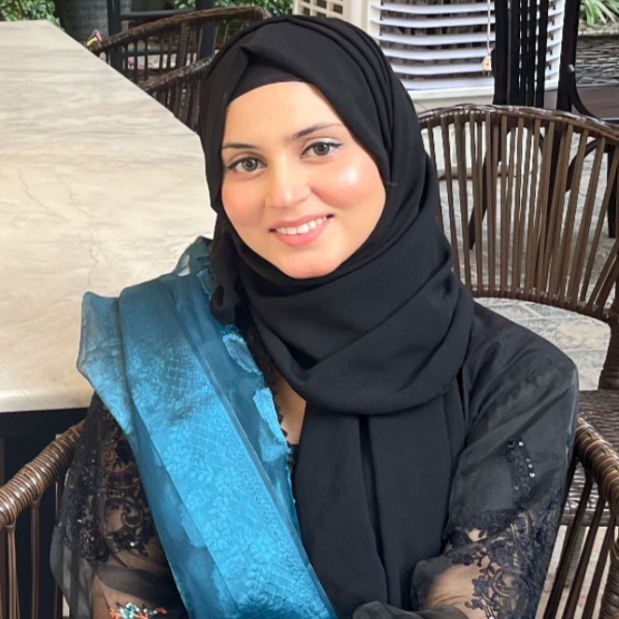
Dr. Bisma Shehzadi
Dr. Dr. Bisma Shehzadi is a highly experienced specialist based in Lahore, Pakistan with over several years of clinical expertise. Specializing in evidence-based and patient-centered care, they provides advanced treatment tailored to individual needs. Currently available on Apka Muaalij, appointments can be booked at 042-32377001.