

Ramadan Fasting: Health Benefits, Side Effects & How To Perform It
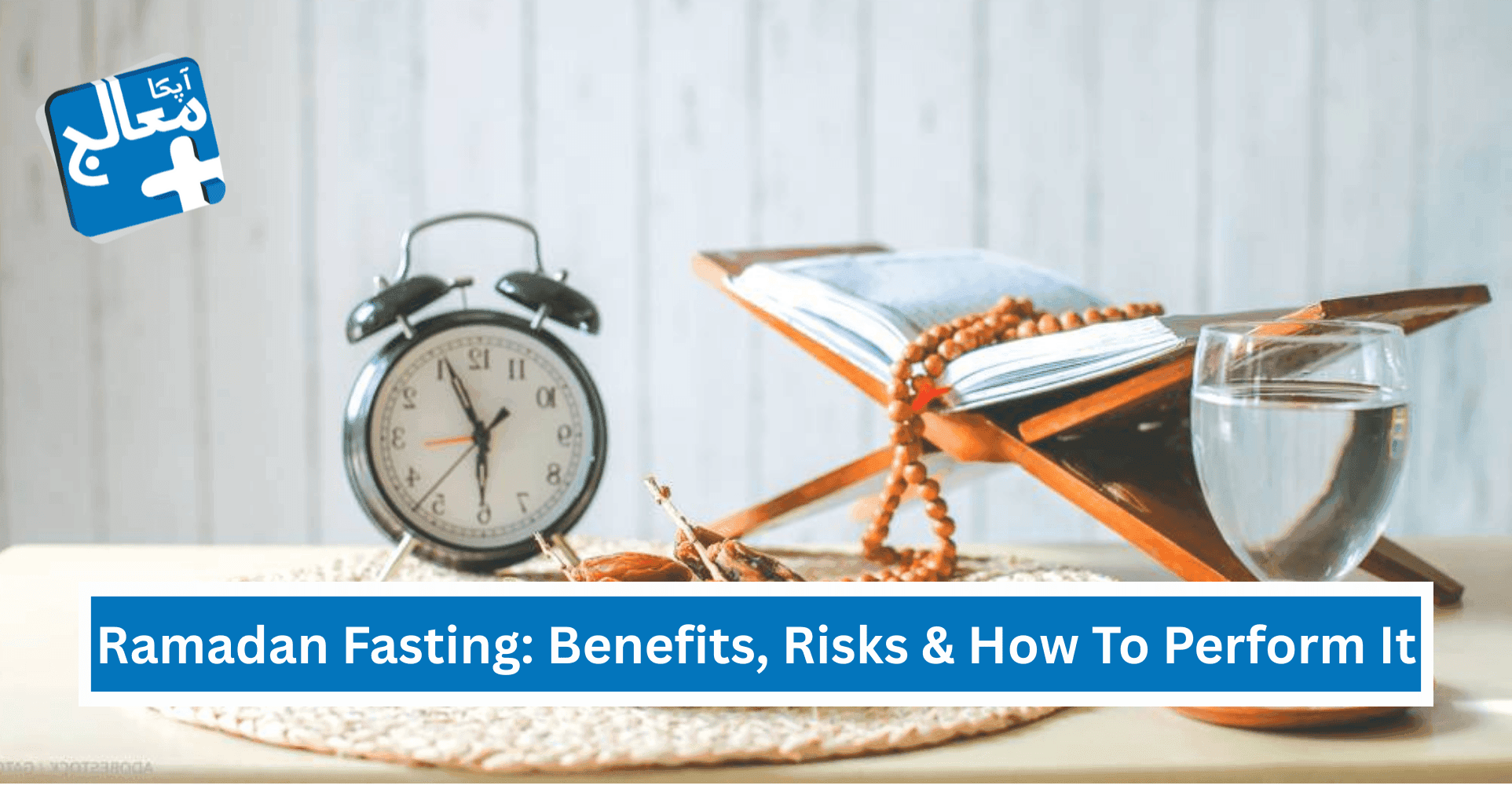
Ramadan fasting is one of the most widely practiced forms of intermittent fasting in the world, observed by over 1.8 billion Muslims annually. Beyond its deep spiritual and religious significance, Ramadan fasting has attracted growing attention from medical researchers, nutritionists, and public health experts for its potential metabolic, cardiovascular, and mental health effects.
This detailed article explores how Ramadan fasting affects the human body, its science-backed health benefits, possible side effects, and best practices to fast safely, especially for people living in Pakistan and similar regions with long fasting hours and hot climates.
For expert advice, consult a PMDC-verified general physician or nutritionist near you through Apka Muaalij.
Key Takeaways
-
Ramadan fasting is a structured form of intermittent fasting
-
Offers metabolic, cardiovascular, and mental health benefits
-
Side effects are usually temporary and manageable
-
Proper nutrition, hydration, and sleep are essential
-
Medical consultation is advised for chronic conditions
What Is Ramadan Fasting?
Ramadan fasting (Sawm) involves abstaining from food, drink, smoking, and marital relations from dawn (Suhoor) until sunset (Iftar) for 29–30 consecutive days.
Key Characteristics of Ramadan Fasting
-
Time-restricted fasting (12–18 hours depending on location)
-
No water intake during fasting hours
-
Daily fasting followed by normal eating windows
-
Combined with changes in sleep patterns, prayer routines, and physical activity
Unlike voluntary intermittent fasting, Ramadan fasting is structured, consistent, and community-based, making it unique from a lifestyle and physiological perspective.
How the Body Adapts During Ramadan Fasting
When fasting begins, the body undergoes several metabolic phases:
|
Time Without Food |
What Happens in the Body |
|
0–6 hours |
Blood glucose is used as the primary energy source |
|
6–12 hours |
Glycogen stores depleted |
|
12–24 hours |
Fat breakdown increases (lipolysis) |
|
After 24 hours (repeated cycles) |
Improved insulin sensitivity, metabolic flexibility |
According to Johns Hopkins Medicine, time-restricted fasting allows the body to shift from glucose dependence to fat-based energy metabolism, which may offer long-term health benefits.
12 Powerful Health Benefits of Ramadan Fasting
1. Improves Insulin Sensitivity and Blood Sugar Control
Multiple studies show that Ramadan fasting can improve insulin sensitivity, particularly in healthy individuals and those with prediabetes.
-
Reduced fasting insulin levels
-
Better glucose regulation
-
Improved metabolic flexibility
“Intermittent fasting patterns, including Ramadan fasting, have been associated with improved glycemic control when meals are balanced.” - American Diabetes Association (Nutrition Review, 2022)
2. Supports Weight Regulation (When Done Properly)
Contrary to popular belief, Ramadan fasting does not automatically cause weight gain.
Weight outcomes depend on:
-
Food choices at Iftar and Suhoor
-
Portion control
-
Physical activity
Balanced fasting can lead to:
-
Mild fat loss
-
Reduced visceral fat
-
Improved body composition
3. Enhances Heart Health
Ramadan fasting has been linked to:
-
Reduced LDL (“bad”) cholesterol
-
Improved HDL (“good”) cholesterol
-
Lower triglyceride levels
A systematic review published in the Nutrition Journal found improvements in lipid profiles among fasting adults during Ramadan.
4. Reduces Inflammation and Oxidative Stress
Fasting reduces markers of chronic inflammation, such as:
-
C-reactive protein (CRP)
-
Pro-inflammatory cytokines
Lower inflammation is associated with reduced risk of:
5. Promotes Digestive System Rest
Fasting gives the digestive system time to rest and reset.
Benefits include:
-
Reduced gastric acid production
-
Improved gut motility
-
Relief from bloating and indigestion (when overeating is avoided)
6. Improves Brain Function and Mental Clarity
Research suggests fasting may:
-
Increase brain-derived neurotrophic factor (BDNF)
-
Support cognitive resilience
-
Improve focus and mental clarity
Many people report heightened alertness and spiritual mindfulness during Ramadan.
7. Supports Cellular Repair (Autophagy)
Fasting triggers autophagy, a process where damaged cells are removed and recycled.
“Autophagy plays a key role in cellular renewal and protection against aging and disease.” - Dr. Yoshinori Ohsumi, Nobel Prize in Physiology or Medicine
8. Helps Reset Eating Patterns
Ramadan provides a natural opportunity to:
-
Break unhealthy snacking habits
-
Reduce sugar and junk food intake
-
Practice mindful eating
9. Improves Lipid Metabolism
During fasting:
-
The body shifts to fat oxidation
-
Triglyceride breakdown increases
-
Fatty acid utilization improves
10. Supports Hormonal Balance
Fasting influences hormones such as:
-
Cortisol
-
Growth hormone
Balanced fasting can improve metabolic hormone signaling.
11. Enhances Spiritual and Emotional Well-Being
Beyond physical health, Ramadan fasting is strongly linked to:
-
Reduced stress
-
Emotional discipline
-
Improved self-control
Mental health benefits are often under-recognized but clinically relevant.
12. May Improve Blood Pressure
Some studies show modest reductions in:
-
Systolic blood pressure
-
Diastolic blood pressure
Especially when salt intake is controlled.
Read: "Benefits Of Surah Mulk In Urdu – سورۃ الملک کے فوائد"
Possible Side Effects of Ramadan Fasting
While generally safe for healthy adults, fasting may cause side effects, especially in the first week.
Common Temporary Side Effects
|
Symptom |
Cause |
|
Headache |
Caffeine withdrawal, dehydration |
|
Fatigue |
Reduced calorie intake |
|
Dizziness |
Low blood sugar or dehydration |
|
Constipation |
Low fiber intake |
|
Bad breath |
Ketone production |
Important: These usually improve after 3–7 days.
Who Needs Medical Caution?
Ramadan fasting may require medical supervision for:
-
People with diabetes (Type 1 or insulin-dependent Type 2)
-
Pregnant or breastfeeding women
-
Individuals with kidney disease
-
Peptic ulcer disease
-
The elderly with chronic illnesses
Islamic teachings allow exemptions when health is at risk.
Best Ways to Perform Ramadan Fasting Safely
1. Never Skip Suhoor
Suhoor helps:
-
Maintain energy levels
-
Prevent dehydration
-
Reduce headaches
Ideal Suhoor Foods
-
Whole grains
-
Eggs
-
Yogurt
-
Fruits
-
Water-rich vegetables
2. Break the Fast Gently at Iftar
Traditional Iftar practices align well with medical advice:
-
Dates for quick glucose
-
Water for hydration
-
Light soup before heavy meals
3. Hydration Strategy (Non-Fasting Hours)
Aim for 8–10 glasses of water between Iftar and Suhoor.
Avoid:
-
Excess caffeine
-
Sugary drinks
4. Balanced Meal Composition
|
Nutrient |
Recommended Sources |
|
Protein |
Lentils, eggs, chicken, fish |
|
Carbohydrates |
Brown rice, roti, oats |
|
Fats |
Olive oil, nuts |
|
Fiber |
Vegetables, fruits |
5. Avoid Overeating and Fried Foods
Heavy fried meals can cause:
-
Acid reflux
-
Weight gain
-
Fatigue
6. Maintain Light Physical Activity
-
Walking after Iftar
-
Light stretching
-
Avoid intense workouts during fasting hours
7. Manage Sleep Properly
Split sleep schedules are common during Ramadan.
Aim for:
-
Total 6–8 hours in 24 hours
-
Short naps if needed
Ramadan Fasting in Pakistan: Unique Considerations
-
Long fasting hours (14–16 hours)
-
Hot climate increases dehydration risk
-
High availability of fried Iftar foods
Practical moderation is essential.
Also learn: "Surah Quraish: 21 Powerful Benefits of Reciting & Reading It Daily"
Frequently Asked Questions (FAQs)
1. Is Ramadan fasting healthy?
Yes, for most healthy adults when done correctly.
2. Can diabetics fast safely?
Some can, under medical supervision.
3. Does fasting cause muscle loss?
Not when protein intake is adequate.
4. Can fasting help with weight loss?
Yes, if overeating is avoided.
5. Is water fasting allowed in Ramadan?
No, water intake is restricted during fasting hours.
6. Does fasting slow metabolism?
No, short-term fasting does not harm metabolism.
7. Can pregnant women fast?
Medical consultation is essential.
8. Is fasting safe for elderly people?
Depends on health status.
9. Does fasting affect blood pressure?
It may lower blood pressure slightly.
10. Can I exercise during Ramadan?
Yes, light exercise is recommended.
11. Does fasting improve digestion?
Often yes, with balanced meals.
12. Can fasting improve mental clarity?
Many people report improved focus.
Disclaimer: This article is for educational purposes only and does not replace professional medical advice. Individuals with chronic illnesses, pregnancy, or special health conditions should consult a qualified healthcare professional before fasting during Ramadan.

Find & Book the best "Nutritionist" near you
Book Appointment
Ifra Sarwar
Dr. Ifra Sarwar is a highly experienced specialist based in Lahore, Pakistan with over several years of clinical expertise. Specializing in evidence-based and patient-centered care, they provides advanced treatment tailored to individual needs. Currently available on Apka Muaalij, appointments can be booked at 042-32377001.