Poppy Seeds (Khashkhash): Benefits, Nutrition, Effects & Ways To Eat
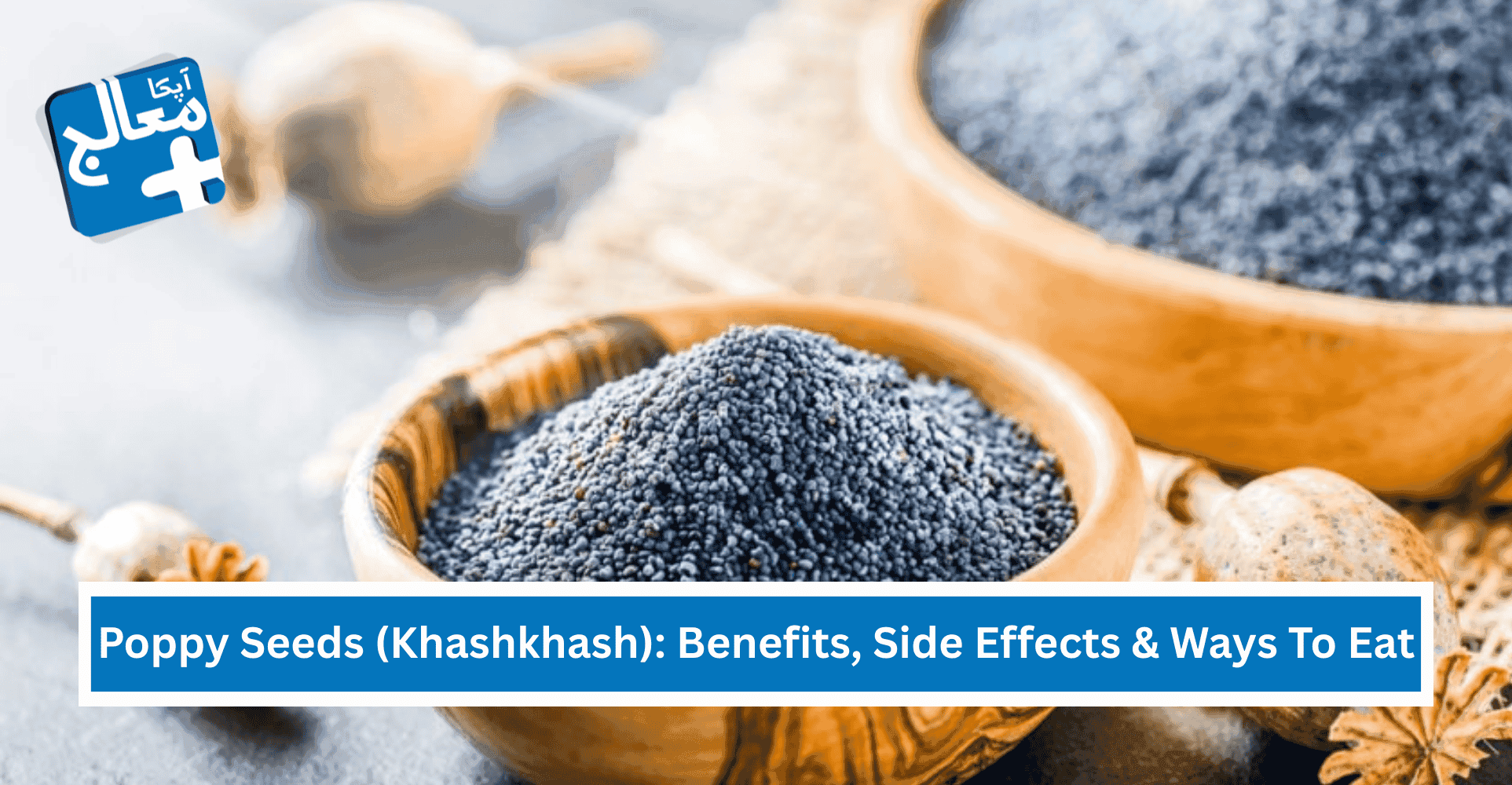
Poppy seeds, commonly known as Khashkhash in Pakistan, India, and many Middle Eastern countries, are tiny seeds with a long culinary and medicinal history. Despite their small size, these seeds contain a dense concentration of minerals, healthy fats, fiber, and plant compounds that support overall health.
They are widely used in South Asian cooking, European baking, traditional remedies, and modern nutrition plans. Yet, poppy seeds are often surrounded by confusion regarding safety, narcotic content, and health effects.
This comprehensive guide explains what poppy seeds are, their nutrition profile, scientifically supported health benefits, culinary uses, myths, safety concerns, and the best ways to consume them daily.
What Are Poppy Seeds (Khashkhash)?
Poppy seeds are edible oil seeds obtained from the poppy plant (Papaver somniferum).
They are tiny, kidney-shaped seeds typically measuring about 1 millimeter in diameter and come in different colors, such as:
-
White (common in South Asian cuisine)
-
Blue (popular in European baking)
-
Black (used in Middle Eastern and Indian recipes)
Although the poppy plant is also the source of opium, the seeds themselves contain extremely low amounts of opiate compounds after harvesting and processing. When cleaned properly, they are safe for culinary use and widely consumed worldwide.
Their flavor is mild, nutty, and slightly sweet, making them ideal for:
-
Breads and pastries
-
Gravies and curries
-
Desserts
-
Salad dressings
-
Traditional herbal drinks
Nutritional Value of Poppy Seeds
Poppy seeds are considered nutrient-dense oilseeds rich in essential minerals and healthy fats.
Nutrition per 100 grams of poppy seeds
|
Nutrient |
Amount |
|
Calories |
~525 kcal |
|
Protein |
~18 g |
|
Fat |
~41 g |
|
Carbohydrates |
~28 g |
|
Dietary Fiber |
~19 g |
|
Calcium |
~1440 mg |
|
Iron |
~9.7 mg |
|
Magnesium |
~347 mg |
|
Zinc |
~8 mg |
|
Phosphorus |
~870 mg |
These nutrients make poppy seeds valuable for supporting bone health, digestion, cardiovascular function, and metabolism.
Types of Poppy Seeds
Although they come from the same plant, poppy seeds differ slightly in flavor and culinary use depending on the region.
|
Type |
Color |
Common Use |
|
White poppy seeds |
White or cream |
Indian and Pakistani gravies |
|
Blue poppy seeds |
Blue-gray |
European breads and pastries |
|
Black poppy seeds |
Dark gray to black |
Middle Eastern and Asian dishes |
The nutritional value across these varieties remains largely similar.
9 Potential Health Benefits of Poppy Seeds (Khashkhash)
1. Supports Digestive Health
Poppy seeds are rich in dietary fiber, which plays an important role in maintaining a healthy digestive system.
Fiber helps:
-
Improve bowel movement
-
Prevent constipation
-
Support gut bacteria
-
Promote digestive efficiency
Regular consumption of fiber-rich foods like poppy seeds may reduce the risk of digestive disorders.
According to research published in the American Journal of Clinical Nutrition, adequate fiber intake is linked to improved gastrointestinal health and reduced inflammation.
2. Strengthens Bones and Teeth
Poppy seeds are one of the richest natural sources of calcium and phosphorus, two minerals essential for bone strength.
These minerals contribute to:
-
Bone mineral density
-
Tooth strength
-
Skeletal structure
-
Muscle function
Magnesium and manganese in poppy seeds also help regulate bone metabolism and collagen production.
This makes them particularly beneficial for:
-
Growing children
-
Women after menopause
-
People with low calcium intake
3. Promotes Heart Health
Poppy seeds contain healthy unsaturated fats, including linoleic acid, which supports cardiovascular health.
These fats help:
-
Lower LDL (bad cholesterol)
-
Improve blood vessel function.
-
Reduce inflammation
-
Support healthy circulation
Research published in the Journal of Lipid Research shows that replacing saturated fats with polyunsaturated fats may significantly lower the risk of heart disease.
Poppy seed oil also contains antioxidants that protect blood vessels from oxidative stress.
4. Improves Sleep Quality
One traditional use of poppy seeds is for improving sleep and calming the nervous system.
Small traces of natural alkaloids combined with magnesium may help:
-
Relax muscles
-
Reduce stress hormones
-
Support deeper sleep
In many South Asian households, poppy seed paste mixed with warm milk is consumed before bedtime to encourage relaxation.
However, scientific evidence suggests this effect is mild and not comparable to pharmaceutical sedatives.
5. Supports Healthy Skin
Poppy seeds contain several nutrients beneficial for skin health, including:
-
Zinc
-
Linoleic acid
-
Antioxidants
-
Vitamin E
These nutrients may help:
-
Maintain skin hydration
-
Support collagen production
-
Reduce inflammation
-
Improve wound healing
Poppy seed oil is sometimes used in cosmetic products and natural skin treatments for its moisturizing properties.
6. Helps Regulate Blood Pressure
Magnesium in poppy seeds plays a key role in blood pressure regulation.
Magnesium helps relax blood vessels and supports:
-
Proper muscle function
-
Nerve transmission
-
Healthy heart rhythm
Studies in the American Heart Association journals indicate that adequate magnesium intake may contribute to lower blood pressure levels.
7. Provides Sustained Energy
Poppy seeds contain a combination of:
-
Healthy fats
-
Protein
-
Complex carbohydrates
This nutrient combination provides long-lasting energy without causing rapid spikes in blood sugar.
They are especially beneficial when included in:
-
Breakfast meals
-
Smoothies
-
Whole-grain recipes
8. Boosts Immunity
The zinc and antioxidants present in poppy seeds help support immune system function.
Zinc plays an important role in:
-
Immune cell production
-
Wound healing
-
Inflammation control
According to the National Institutes of Health (NIH), zinc deficiency can weaken immune responses and increase susceptibility to infections.
9. May Support Fertility
Some fertility specialists use poppy seed oil flushing tests to evaluate fallopian tube blockage in women.
This medical technique, known as hysterosalpingography with oil-based contrast, has been studied for improving fertility outcomes.
Research published in The New England Journal of Medicine suggests oil-based flushing may increase pregnancy rates in certain cases of infertility.
However, eating poppy seeds alone does not directly treat infertility.
Culinary Uses of Poppy Seeds
Poppy seeds are extremely versatile in cooking and baking.
Common culinary uses include:
Baking
-
Bread
-
Bagels
-
Muffins
-
Cakes
-
Pastries
Savory dishes
-
Curry thickener
-
Gravies
-
Vegetable dishes
-
Rice recipes
Desserts
-
Halwa
-
Kheer
-
Sheer khurma
Healthy additions
-
Smoothies
-
Salad dressings
-
Yogurt toppings
Grinding poppy seeds into a paste often enhances their flavor and texture.
How to Consume Poppy Seeds Safely
Moderation is important when consuming poppy seeds.
Recommended daily intake
Most nutritionists recommend:
1–2 teaspoons per day
This amount provides nutritional benefits without excessive calorie intake.
Best ways to eat them
-
Soaked overnight and blended into milk
-
Added to whole-grain bread
-
Mixed into yogurt or oatmeal
-
Used as a thickening paste in curries
Cooking and washing poppy seeds reduces potential opiate residues.
Common Myths About Poppy Seeds
Myth 1: Poppy Seeds Cause Addiction
This is a misunderstanding.
Although poppy plants produce opium, the seeds contain only trace residues after processing and cannot cause addiction when consumed normally.
Myth 2: Poppy Seeds Always Cause Failed Drug Tests
Consuming very large amounts may sometimes lead to trace opiate detection in sensitive drug tests, usually within 24–48 hours.
However, moderate dietary consumption rarely causes issues.
Myth 3: Poppy Seeds Are Only Used in Desserts
In reality, they are widely used in:
-
Savory curries
-
Bread toppings
-
Gravies
-
Salad dressings
-
Traditional drinks
Potential Side Effects of Poppy Seeds
Poppy seeds are generally safe, but excessive intake may cause issues.
Possible side effects include:
-
Allergic reactions (rare)
-
Digestive discomfort from high-fat intake
-
Possible positive drug test after large consumption
Poorly processed seeds may also contain higher opiate residues, which is why purchasing from reliable suppliers is important.
Pregnant or breastfeeding women should consult a doctor before regular use.
Need Healthcare Assistance?
Our expert healthcare professionals, including the best nutritionists and general physicians near you in Pakistan, are here to support you. If you have specific health concerns or queries, Apka Muaalij encourages you to consult your qualified specialists. Book an online video consultation or call 042-32377001.
Frequently Asked Questions (FAQs)
Are poppy seeds and khashkhash the same?
Yes. Khashkhash is the Urdu and Hindi name for poppy seeds. They come from the poppy plant (Papaver somniferum) and are commonly used in South Asian cooking and traditional remedies.
Can poppy seeds help with sleep?
Poppy seeds contain magnesium and small traces of natural alkaloids that may promote relaxation. When consumed with warm milk or in calming foods, they may support better sleep quality, although their sedative effect is mild.
Are poppy seeds safe to eat daily?
Yes, poppy seeds are safe for daily consumption when eaten in moderation. Most nutrition experts suggest 1–2 teaspoons per day, which provides minerals and healthy fats without excessive calories.
Can poppy seeds cause a positive drug test?
Eating very large amounts of poppy seeds may sometimes produce trace opiate detection in sensitive drug tests. To avoid this risk, it is recommended to avoid poppy seeds 24–48 hours before a scheduled drug test.
Do poppy seeds help digestion?
Yes. Poppy seeds are rich in dietary fiber, which helps regulate bowel movements, prevent constipation, and support gut health.
Are poppy seeds good for bones?
Poppy seeds are extremely high in calcium, phosphorus, and magnesium. These minerals contribute to stronger bones, improved bone density, and better skeletal health.
Can poppy seeds improve fertility?
Poppy seed oil is sometimes used in medical fertility procedures to check and flush the fallopian tubes. However, eating poppy seeds alone does not directly treat infertility.
How should poppy seeds be stored?
Poppy seeds should be stored in an airtight container in a cool, dry place. Refrigeration can extend shelf life and prevent the natural oils from becoming rancid.
Are poppy seeds good for skin?
Yes. Poppy seeds contain antioxidants, zinc, and healthy fats that support skin hydration and may reduce inflammation when included in a balanced diet.
What is the best way to eat poppy seeds?
The best ways include grinding them into a paste for curries, sprinkling them over bread or salads, mixing them into smoothies, or adding them to desserts and traditional milk drinks.
Disclaimer: This article is for informational and educational purposes only and should not be considered medical advice. Nutritional responses can vary depending on individual health conditions. Always consult a qualified healthcare professional or registered dietitian before making significant dietary changes, especially if you are pregnant, breastfeeding, or taking medication.