

How to Stay Hydrated During Ramadan - Healthy Tips for Fasting
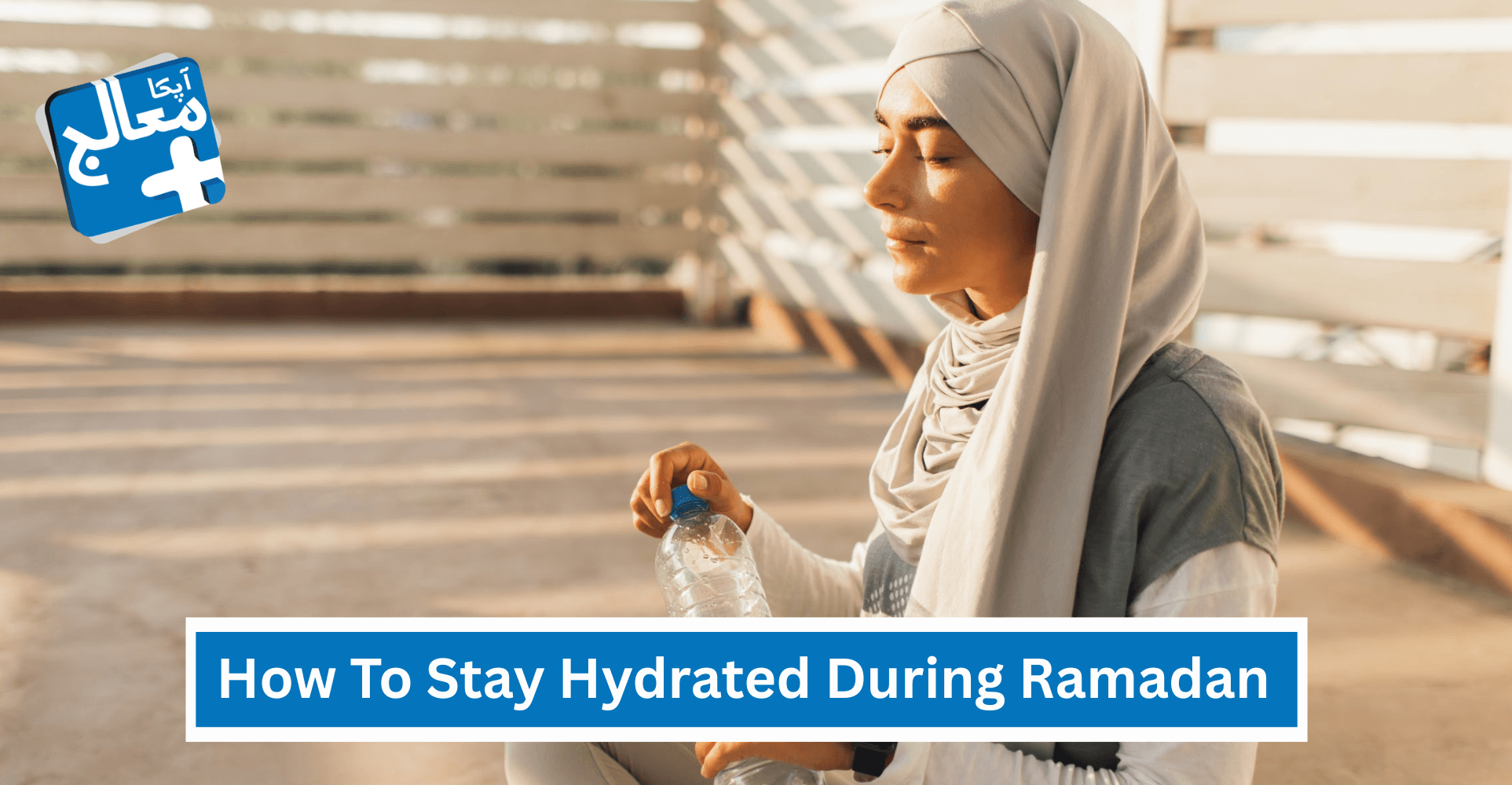
The holy month of Ramadan is not just about fasting but is a time for spiritual reflection, devotion, and increased focus on one’s well-being. While abstaining from food and drink from sunrise to sunset is a core practice, staying properly hydrated is crucial for maintaining health throughout the holy month.
Dehydration can lead to various adverse effects on physical, mental, and cognitive functions. Understanding the importance of hydration and implementing strategies to stay hydrated can help individuals observe the month safely while prioritizing their health.
Why is Hydration Important?
Water plays a significant role in numerous physiological processes within the body. It serves as a solvent for essential nutrients, facilitates digestion and absorption, and regulates body temperature. Furthermore, it lubricates joints and supports cellular function. Maintaining proper hydration is vital for overall health, and its significance is enhanced during Ramadan when individuals abstain from food and drink.
The fasting period normally spans 12 to 16 hours, depending on the geographical region. However, prolonged fasting without ample fluid intake can cause dehydration, characterized by depletion of body water content beyond normal levels. Dehydration has multiple symptoms, like fatigue, dizziness, dry mouth, headaches, and difficulty concentrating. Proper hydration is essential because it:
- Regulates body temperature
- Supports organ function
- Brain function
- Energy levels
- Digestive system’s health
So, the question that arises here is how do you stay hydrated during Ramadan?
How to Stay Hydrated During Ramadan?

Although one’s not consuming fluids throughout the day, there are effective strategies to stay hydrated throughout the month.
Nighttime Hydration
While suhoor and iftar are crucial for replenishing fluids and hydrating yourself, there’s only so much water one can drink. This is where you need to ensure that you drink one glass of water every thirty minutes before you go to sleep.
Similarly, the focus should be on water, and hydrating fruits and vegetables, like cucumber, watermelon, and celery.
Plan the Intake
You need to strategically plan your fluid intake throughout the night. Start with water at suhoor, and sip fluids throughout the evening until bedtime. Similarly, you can also opt for soups and low-sugar beverages.
Avoid Dehydrating Beverages
Avoid beverages that can worsen dehydration, like caffeinated drinks like coffee and tea. Such drinks can act as diuretics, and sugary drinks may lead to a temporary burst in energy but can quickly cause increased thirst.
Balancing Electrolytes
You need to balance electrolytes in your body, like potassium and sodium. This is essential for maintaining bodily fluids. The aim should be to consume natural sources of electrolytes during iftar and suhoor, like bananas, oranges, vegetables, and yogurt.
Suitable Food Choices for Hydration
While drinking water is fundamental and non-negotiable, you need to incorporate foods that provide hydration, like water-rich fruits and vegetables, soups and stews, and most importantly, yogurt.
Items like watermelon, cantaloupe, cucumber, celery, and leafy greens tend to have a high water content which is essential for maintaining an adequate hydration level.
Additional Tips for Hydration
There are other things you need to keep in mind about your body in terms of hydration. You must at all costs listen to your body, and pay attention to thirst cues. Do not wait until you feel extremely thirsty to drink fluids, and drink to aim for a consistent intake.
You also need to monitor the color of your urine, as a darker color may signal dehydration. Furthermore, it is suggested that you avoid exhausting physical activity during the hottest parts of the day as it may lead to an increased risk of dehydration. In regions where the temperature is high, one must stay indoors and in air-conditioned environments or cool down with showers.
Takeaway
Hydration is fundamental, and in Ramadan, more emphasis needs to be put on it because the month leads to incoherent eating habits. By implementing these strategies, you can ensure a fulfilling and hydrating Ramadan, which will allow you to maintain good energy levels. Remember, Ramadan is a month for spiritual growth, and to be able to effectively participate, you need to take care of your health. Prioritizing self-care allows you to fully engage in the spiritual significance of the month.

Find & Book the best "General Physician" near you
Book Appointment
Dr. Muhammad Usama, RPh
Dr. Dr. Muhammad Usama, RPh is a highly experienced specialist based in Lahore, Pakistan with over several years of clinical expertise. Specializing in evidence-based and patient-centered care, they provides advanced treatment tailored to individual needs. Currently available on Apka Muaalij, appointments can be booked at 042-32377001.