

How To Become An Oncologist In Pakistan (2026)

Cancer care is one of the most demanding and meaningful fields in modern medicine. Behind every diagnosis, treatment plan, and recovery story stands a team of specialists, with oncologists playing the central role. In Pakistan, the need for trained oncologists continues to rise as cancer cases increase and treatment centers expand across major cities.
If you are a student considering a medical career and wondering how to become an oncologist in Pakistan in 2026, this guide explains the entire pathway in detail. It covers education requirements, specialization routes, training duration, career prospects, salary expectations, and the realities of practicing oncology in Pakistan.
Key Takeaways
-
Becoming an oncologist in Pakistan requires 12–13 years of education and training after matriculation.
-
The main pathway includes MBBS → House Job → FCPS Residency → Specialist Certification.
-
Oncology includes subspecialties such as medical oncology, radiation oncology, surgical oncology, and pediatric oncology.
-
Leading training institutions include Shaukat Khanum Memorial Cancer Hospital and Aga Khan University Hospital.
-
Experienced oncologists can earn PKR 800,000 to over 2 million per month, especially with private practice.
-
Demand for oncologists is increasing due to rising cancer cases and expanding treatment facilities.
Introduction
Oncology is the branch of medicine dedicated to the diagnosis, treatment, and research of cancer. Becoming an oncologist requires years of education, clinical training, and specialization after completing medical school.
In Pakistan, the journey typically includes:
-
Completing MBBS
-
Passing licensing requirements through the Pakistan Medical and Dental Council
-
Entering postgraduate residency programs
-
Specializing through qualifications like the College of Physicians and Surgeons Pakistan certifications, such as FCPS.
While the path is long, it offers strong career stability, intellectual challenge, and the opportunity to directly impact patients' lives.
This guide walks through every step so aspiring doctors can understand exactly what it takes.
What Is an Oncologist?
An oncologist is a physician who specializes in diagnosing and treating cancer using methods such as chemotherapy, radiation therapy, surgery, and targeted treatments.
Oncologists also coordinate patient care, interpret diagnostic tests, monitor treatment response, and guide long-term recovery or palliative care.
Cancer treatment is multidisciplinary, meaning oncologists work closely with surgeons, radiologists, pathologists, and nurses to develop treatment plans tailored to each patient.
Types of Oncologists in Pakistan
Before choosing this career path, it is important to understand that oncology has several subspecialties.
1. Medical Oncologist
Medical oncologists treat cancer primarily using medications such as:
-
Chemotherapy
-
Immunotherapy
-
Targeted therapy
-
Hormonal therapy
This is one of the most common oncology specialties in Pakistan.
2. Radiation Oncologist
Radiation oncologists treat cancer using controlled doses of radiation to destroy cancer cells.
They work with specialized equipment such as linear accelerators and treatment planning software.
3. Surgical Oncologist
These specialists perform surgeries to remove tumors and cancerous tissues.
They often work within surgical departments but specialize in cancer-specific procedures.
4. Pediatric Oncologist
Pediatric oncologists treat cancers that occur in children and adolescents.
Training requires additional specialization after pediatrics.
Why Oncology Is an Important Career in Pakistan
Pakistan faces a growing cancer burden. According to global cancer databases and hospital reports, thousands of new cases are diagnosed each year.
Several factors drive demand for oncologists:
-
Rising population
-
Aging demographics
-
Increased cancer awareness
-
Improved diagnostic capabilities
-
Expansion of cancer hospitals
Major institutions such as Shaukat Khanum Memorial Cancer Hospital and Aga Khan University Hospital have significantly advanced oncology training and treatment infrastructure.
However, there is still a shortage of trained specialists, especially outside large cities. This makes oncology a high-impact and high-demand field.
Step-by-Step Path to Becoming an Oncologist in Pakistan
The pathway to oncology follows the standard medical specialization structure in Pakistan.
Step 1: Complete FSc Pre-Medical
The journey begins after Matriculation.
Students must complete FSc Pre-Medical or an equivalent qualification with subjects including:
-
Biology
-
Chemistry
-
Physics
High academic performance is essential because medical college admission is highly competitive.
Step 2: Pass the Medical College Entry Test
Students must qualify for medical school through national or provincial entrance examinations.
Admission tests evaluate knowledge in:
-
Biology
-
Chemistry
-
Physics
-
Logical reasoning
Successful candidates gain admission into recognized medical colleges for the MBBS program.
Step 3: Earn an MBBS Degree
The Bachelor of Medicine, Bachelor of Surgery (MBBS) is the foundational medical degree in Pakistan.
Duration
5 years of academic and clinical training.
What Students Study
The curriculum includes subjects such as:
-
Anatomy
-
Physiology
-
Biochemistry
-
Pathology
-
Pharmacology
-
Medicine
-
Surgery
-
Pediatrics
-
Gynecology
During the final years, students rotate through hospital departments and gain clinical exposure.
All recognized medical colleges operate under standards defined by the Pakistan Medical and Dental Council.
Step 4: Complete House Job (Internship)
After graduating with an MBBS, doctors must complete a one-year house job.
This internship provides practical hospital training in departments like:
-
Medicine
-
Surgery
-
Emergency medicine
-
Pediatrics
Some future oncologists try to complete rotations in:
-
Internal medicine
-
Hematology
-
Radiology
This experience helps build the clinical skills required for specialization.
Step 5: Pass Postgraduate Entrance Exams
To specialize, doctors must qualify for postgraduate residency programs.
In Pakistan, the most common pathway is through the College of Physicians and Surgeons of Pakistan.
The first step involves clearing the FCPS Part I exam in a relevant discipline, such as:
-
Medicine
-
Surgery
-
Radiology
-
Pediatrics
This exam tests knowledge of basic medical sciences.
Step 6: Enter Residency Training
After passing FCPS Part I, doctors can apply for residency training in oncology-related specialties.
Residency programs are typically offered in teaching hospitals across Pakistan.
Residency Duration
|
Specialty |
Duration |
|
Medical Oncology |
4–5 years |
|
Radiation Oncology |
4–5 years |
|
Surgical Oncology |
4–5 years |
|
Pediatric Oncology |
5–6 years |
During residency, doctors receive intensive supervised clinical training.
Responsibilities include:
-
Diagnosing cancer cases
-
Managing chemotherapy treatments
-
Planning radiation therapy
-
Participating in tumor board discussions
-
Conducting research
Step 7: Pass FCPS Final Examination
At the end of residency training, candidates must pass the final examination conducted by the College of Physicians and Surgeons of Pakistan.
This exam evaluates:
-
Clinical expertise
-
Case management
-
Diagnostic reasoning
-
Professional competence
Successful candidates earn the prestigious FCPS qualification, which allows them to practice as specialists.
Alternative Pathways to Oncology Specialization
While FCPS is the most common route, other pathways exist.
MS / MD Programs
Some universities offer postgraduate programs such as:
-
MD Oncology
-
MS Oncology
These programs are recognized by the Pakistan Medical and Dental Council if accredited.
International Specialization
Some doctors pursue oncology training abroad in countries such as:
-
United Kingdom
-
United States
-
Australia
Common international certifications include:
-
MRCP
-
FRCR
-
USMLE-based residencies
However, returning specialists must still obtain registration approval in Pakistan.
Skills Required to Become a Successful Oncologist
Oncology is not just academically demanding. It also requires strong personal qualities.
Clinical Skills
-
Advanced diagnostic reasoning
-
Treatment planning
-
Drug management
-
Multidisciplinary coordination
Emotional Intelligence
Cancer treatment often involves emotionally difficult situations.
Oncologists must be able to:
-
Communicate complex diagnoses
-
Support patients through long treatments
-
Deliver difficult news with compassion
Research Ability
Cancer medicine evolves rapidly. Oncologists must stay updated with:
-
New therapies
-
Clinical trials
-
Evidence-based guidelines
Top Oncology Training Hospitals in Pakistan
Several hospitals provide recognized oncology residency programs.
Major Institutions
-
Shaukat Khanum Memorial Cancer Hospital
-
Aga Khan University Hospital
-
Pakistan Institute of Medical Sciences
-
Jinnah Postgraduate Medical Centre
-
Armed Forces Institute of Pathology
These institutions offer advanced oncology infrastructure, research opportunities, and multidisciplinary treatment programs.
How Long Does It Take to Become an Oncologist in Pakistan?
The entire journey is lengthy but structured.
|
Stage |
Duration |
|
FSc Pre-Medical |
2 years |
|
MBBS |
5 years |
|
House Job |
1 year |
|
Residency Training |
4–5 years |
Total Time Required
Approximately 12 to 13 years after completing matriculation.
Salary of Oncologists in Pakistan
Income varies depending on experience, hospital affiliation, and private practice.
Average Salary Range
|
Career Stage |
Monthly Income |
|
Resident Doctor |
PKR 90,000 – 180,000 |
|
Specialist Oncologist |
PKR 300,000 – 700,000 |
|
Senior Consultant |
PKR 800,000 – 2,000,000+ |
Private practice, consultancy fees, and international collaborations can significantly increase earnings.
Job Opportunities for Oncologists in Pakistan
Qualified oncologists can work in multiple settings.
Common Career Paths
-
Cancer hospitals
-
Government teaching hospitals
-
Private medical centers
-
Research institutions
-
Medical universities
-
Pharmaceutical research
-
International cancer organizations
Many specialists also pursue academic careers and contribute to medical education.
Challenges of Becoming an Oncologist
While rewarding, oncology is also one of the most demanding specialties.
Common Challenges
-
Long training period
-
Emotional stress from patient outcomes
-
Rapidly evolving treatments require constant learning
-
High patient workload in major hospitals
However, many doctors find oncology deeply fulfilling due to its impact on patients and families.
Future of Oncology in Pakistan
The future of oncology is rapidly evolving.
New developments include:
-
Immunotherapy
-
Precision medicine
-
Artificial intelligence in cancer diagnostics
-
Advanced radiation technologies
-
Genetic testing for cancer risk
Hospitals across Pakistan are investing in modern cancer treatment centers, which will further increase the demand for trained oncologists.
Need Healthcare Assistance?
Our expert healthcare professionals, including the best oncologists and general physicians near you in Pakistan, are here to support you. If you have specific health concerns or queries, Apka Muaalij encourages you to consult your qualified specialists. Book an online video consultation or call 042-32377001.
Frequently Asked Questions (FAQs)
How many years does it take to become an oncologist in Pakistan?
Becoming an oncologist typically takes 12 to 13 years after matriculation. This includes two years of FSc, five years of MBBS, one year of house job, and four to five years of postgraduate residency training in oncology or a related specialty.
What degree is required to become an oncologist?
You must first complete an MBBS degree from a recognized medical college. Afterward, specialization through programs like FCPS in oncology, medicine, or surgery is required to practice as a cancer specialist in Pakistan.
Is oncology a good career in Pakistan?
Yes. Oncology is considered a highly respected and in-demand medical specialty. With rising cancer cases and limited specialists, trained oncologists have strong job prospects in hospitals, research institutions, and private clinics across Pakistan.
What subjects are needed to become an oncologist?
Students must study Biology, Chemistry, and Physics in FSc Pre-Medical. During MBBS, they will learn medical sciences including pathology, pharmacology, internal medicine, and surgery, which build the foundation for oncology specialization.
Can I become an oncologist after MBBS?
Yes. After completing MBBS and house job, doctors can pursue postgraduate training such as FCPS in oncology-related specialties. Residency programs provide the clinical training required to become a certified oncologist.
What is the salary of an oncologist in Pakistan?
Entry-level oncologists typically earn between PKR 300,000 and 700,000 per month. Senior consultants and experienced specialists working in private hospitals or private practice can earn more than PKR 2 million monthly.
Which hospitals train oncologists in Pakistan?
Major training hospitals include Shaukat Khanum Memorial Cancer Hospital, Aga Khan University Hospital, Pakistan Institute of Medical Sciences, and Jinnah Postgraduate Medical Centre. These institutions offer advanced oncology training programs.
Is oncology a difficult specialization?
Yes. Oncology is considered challenging because it involves complex treatments, emotionally difficult cases, and continuous learning. However, many doctors find it extremely rewarding due to its life-saving impact.
Can Pakistani doctors specialize in oncology abroad?
Yes. Many Pakistani doctors pursue oncology training abroad through exams such as MRCP, FRCR, or USMLE. After completing international training, they may return to Pakistan and register with national medical authorities.
Is there a shortage of oncologists in Pakistan?
Yes. Pakistan faces a shortage of oncology specialists, especially outside major cities. With cancer cases increasing each year, the demand for trained oncologists is expected to grow significantly in the coming decade.
Disclaimer: This article is intended for educational and informational purposes only. Medical education policies, admission criteria, and licensing requirements may change over time. Students should always consult official guidelines from the Pakistan Medical and Dental Council, the College of Physicians and Surgeons Pakistan, and accredited medical institutions before making career decisions.

Find & Book the best "Oncologist" near you
Book Appointment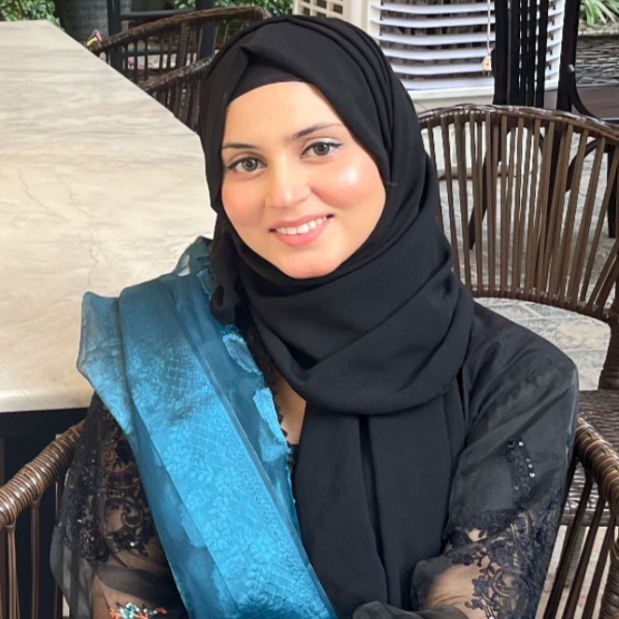
Dr. Bisma Shehzadi
Dr. Dr. Bisma Shehzadi is a highly experienced specialist based in Lahore, Pakistan with over several years of clinical expertise. Specializing in evidence-based and patient-centered care, they provides advanced treatment tailored to individual needs. Currently available on Apka Muaalij, appointments can be booked at 042-32377001.