

How To Become A Dermatologist In Pakistan 2025 - A Guide
Dermatology is a highly popular and diverse specialty worldwide and in Pakistan that includes clinical care, medical treatments, aesthetic procedures, personal care, research, and patient communication.
To become a dermatologist in Pakistan, it is essential to have the proper academic qualifications and educational knowledge so that your doubts can be resolved.
In this blog, we will go step-by-step to explain how someone can become a dermatologist.
Also read: "How to Become a General Physician in Pakistan (2025 Guide + Salary & Scope)"
Dermatologist Meaning in Urdu
ڈرماتولوجسٹ ایک طبی ماہر ہوتا ہے جو جلد، بال، ناخن اور جسم کی جھلیوں سے متعلق بیماریوں کی تشخیص، علاج اور روک تھام کرتا ہے۔ وہ نہ صرف جلدی امراض کا علاج کرتے ہیں بلکہ خوبصورتی اور جلد کی نگہداشت سے متعلق مختلف طبی و جمالیاتی طریقۂ علاج بھی انجام دیتے ہیں۔
Who is a Dermatologist?
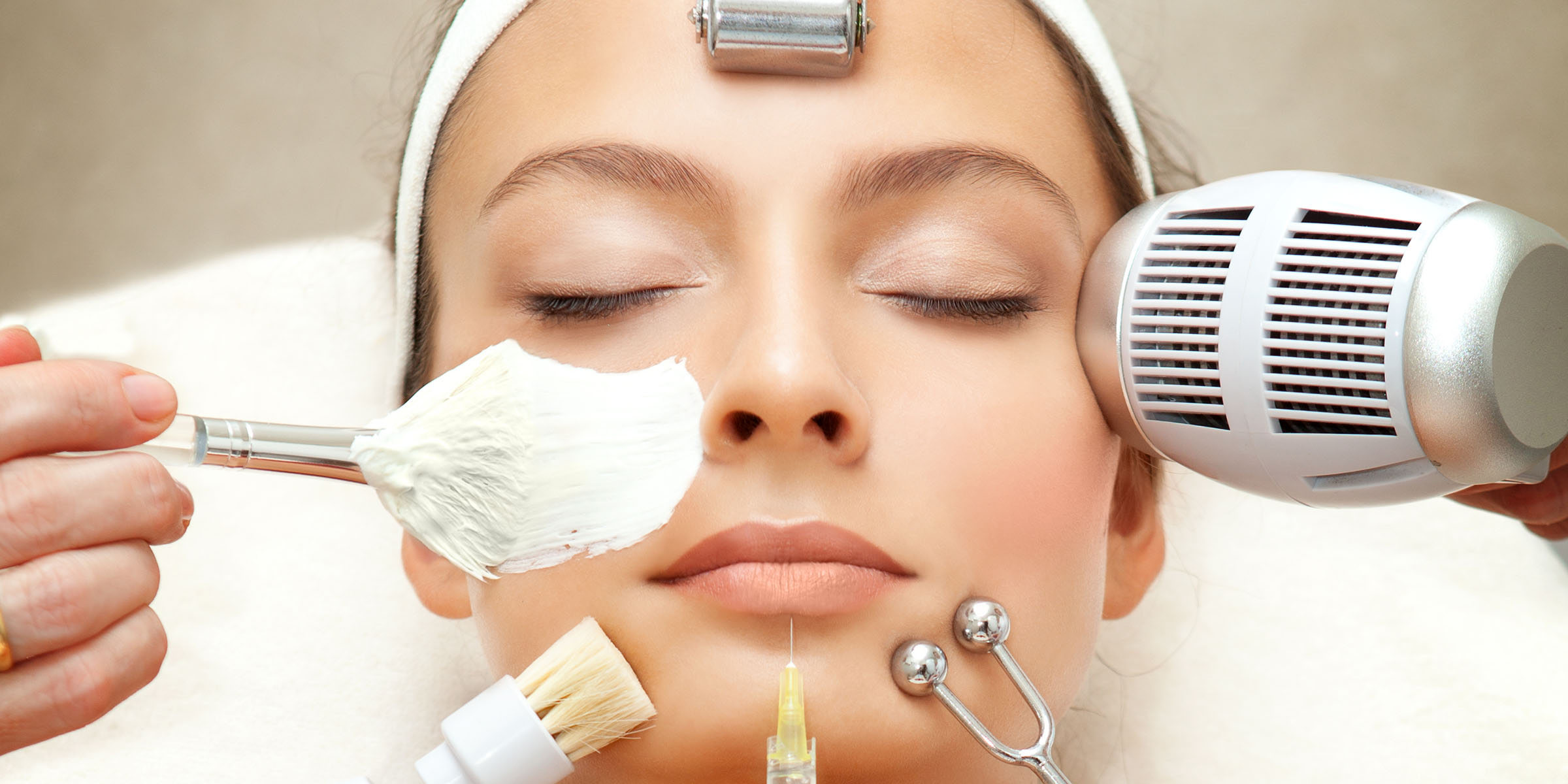
A dermatologist is a medical specialist who diagnoses, treats, and prevents a wide range of conditions related to the skin, hair, nails, and mucous membranes. They also perform medically complex and aesthetic procedures; therefore, dermatologists must have a strong foundation in both medicine and surgical skills, as many skin diseases often reflect underlying systemic issues.
How to Become a Dermatologist in Pakistan 2025?

Here’s a step-by-step roadmap you can follow to become a dermatologist in Pakistan:
1. Matric/O-level
-
Requirement: In Matric or O Level, you should choose the Bio-Science group, which includes major science subjects, and the usual time span is 2 Years.
-
Subjects: You must take Biology, Chemistry, and Physics as your core subjects.
-
Score: It’s recommended to score 90% or above in Matric and achieve A grades in O Levels to secure admission to a good medical college.
-
Focus: During this stage, focus on building a strong scientific foundation, analytical thinking, and problem-solving skills to prepare for future medical studies.
2. FSC/ A-level
-
Requirement: In FSC (Pre-Medical) or A Levels, you should choose the pre-medical subjects that cover the essential topics needed for a medical career, and the usual time span is 2 Years.
-
Subjects: Your core subjects must include Biology, Chemistry, and Physics.
-
Score: Aim to achieve above 90% marks in FSC or A grades in A Levels to secure admission into a top-tier medical institution.
-
Focus: At this stage, concentrate on building scientific aptitude, critical reasoning, and conceptual clarity, as these skills will play a key role in succeeding in your future medical studies and competitive exams such as MDCAT.
3. MDCAT (Medical and Dental College Admission Test) Exam
-
Requirement: MDCAT (Medical & Dental College Admission Test) is mandatory in Pakistan for entrance into medical colleges with the MBBS program.
-
Subjects: The test usually assesses your knowledge in Biology, Chemistry, Physics, English, and analytical reasoning skills. This test is usually conducted a few months after your FSC/A Level final examinations.
-
Score: It is an MCQ-based exam, and achieving a high MDCAT score (above 90%) is crucial for securing admission into reputable medical universities.
-
Merit Calculation: After the test, the PMDC combines your scores from Matric/O Level, FSC/A Level, and MDCAT according to a specific weightage formula. This combined score determines your final merit percentage, and students with the highest merit are granted admission to medical colleges.
Also learn: "How To Become A Psychologist In Pakistan 2025 - A Complete Guide"
4. MBBS (Bachelor of Medicine and Bachelor of Surgery)
-
Admission: After passing the MDCAT, you are granted admission to a medical college based on your merit score.
-
Durations: The MBBS program in Pakistan typically lasts 5 years, covering subjects like basic medical sciences, pathology, pharmacology, and clinical rotations.
-
Regulatory Body: Always make sure that the medical college you choose is recognized by the Pakistan Medical & Dental Council (PMDC) or another relevant regulatory authority.
5. Complete House Job
-
Duration: After finishing the MBBS exams, you must do a 1-year house job in recognized hospitals, rotating through departments like medicine, surgery, gynecology, pediatrics, etc.
-
Importance: This is mandatory before you can pursue postgraduate specialty training. The house job gives clinical exposure and is essential for registration with PMDC.
6. Choose a Dermatology Specialization
Once your MBBS and house job are done, you need to select a postgraduate path in dermatology. In Pakistan, common routes include:
-
FCPS Dermatology via the College of Physicians and Surgeons Pakistan (CPSP) usually requires 4 to 5 years of structured training. You must pass FCPS-I (Part 1) exam to enter the training program.
-
MD Dermatology via university departments. The MD Dermatology program typically extends over six years, divided into three parts (Part I, II, and III), integrating fundamental medical sciences, internal medicine, and advanced dermatology training.
-
A diploma in Dermatology (shorter and limited) usually spans 1 to 2 years. It provides basic clinical training but does not offer the same level of expertise or specialization as an MD or FCPS in Dermatology.
-
Some also choose MCPS (Dermatology) or equivalents, though these are often considered less comprehensive.
7. Licensing & Registration (PMC / PMDC)
-
Licensing: After completing your specialization, you need to obtain a license from the Pakistan Medical & Dental Council (PMDC) / Pakistan Medical Commission / relevant regulatory body.
-
Authorization: Only then can you use the title “Dermatologist” legally and practice independently.
8. Professional Development
-
Growth: Dermatology continuously evolves lasers, aesthetic dermatology, dermatopathology, hair disorders, pediatric dermatology, etc. Many dermatologists pursue fellowships, certificates, workshops, and conferences to stay up to date.
Also, go through: "Family Medicine vs. Internal Medicine: Who Should You Choose?"
BS Dermatology
-
The BS Dermatology or BS Dermatology Technology programs offered by some universities are non-medical undergraduate degrees designed to train technicians and lab assistants.
-
This degree does not qualify graduates to practice as dermatologists or prescribe medicines. To become a dermatologist in Pakistan, one must complete MBBS, a house job, and postgraduate specialization.
-
BS graduates may assist in research or clinical setups, but cannot diagnose or treat patients independently.
Some institutes in Pakistan are offering BS Dermatology / Related Programs
-
University of Management and Technology (UMT), Lahore (BS Aesthetics & Skin Care Technology)
-
Grand International University (GIU), (BS Dermatology Technology)
-
The University of Faisalabad (TUF), (BS Dermal Technology)
-
Leads University, Lahore, (BS Aesthetics & Cosmetology / BS Aesthetics & Skin Care Technology)
-
Swedish College of Engineering and Technology, (BS Cosmetology & Dermatology)
-
Riphah International University, (BS Dermal Science)
Discover our latest articles and insights about journals
Takeaway:
Becoming a dermatologist in Pakistan by 2025 is a challenging yet rewarding pursuit. It demands excellent academic performance, persistence, and constant learning. While BS Dermatology options exist, they do not substitute for the full path of MBBS + specialization. If you are passionate about skin care, aesthetics, research, and patient interaction, dermatology may be the right fit, but prepare for a long, competitive journey.
If you want to get a consultation from one of the best dermatologists in Pakistan, you can visit Apka Muaalij, the no.1 telehealth platform in Pakistan. To consult with certified and top doctors, dial 0423-2377001 today.
Frequently Asked Questions (FAQs)
Can I become a dermatologist without an MBBS in Pakistan?
No, only MBBS plus postgraduate specialization qualifies you to be a dermatologist.
How many years does it take to become a dermatologist?
Around 10 to 14 years in total (including MBBS, house job, and specialization).
What is a BS Dermatology degree in Pakistan?
A 4-year undergraduate program training dermatology technologists, not actual dermatologists.
Can BS Dermatology graduates prescribe medicine?
No, they cannot; only licensed doctors can prescribe and treat independently.
What is the salary of a dermatologist in Pakistan?
It varies widely, often starting from ~PKR 100,000+ depending on experience and location.
Can I specialize further (e.g., cosmetic dermatology)?
Yes, after core training, many dermatologists pursue fellowships in cosmetic, pediatric, or dermatopathology fields.
Is MD better than FCPS in dermatology?
Both have their merits; MD is university-based with a structured curriculum, and FCPS is a fellowship under CPSP. The choice depends on preference and resources.

Find & Book the best "Dermatologist" near you
Book Appointment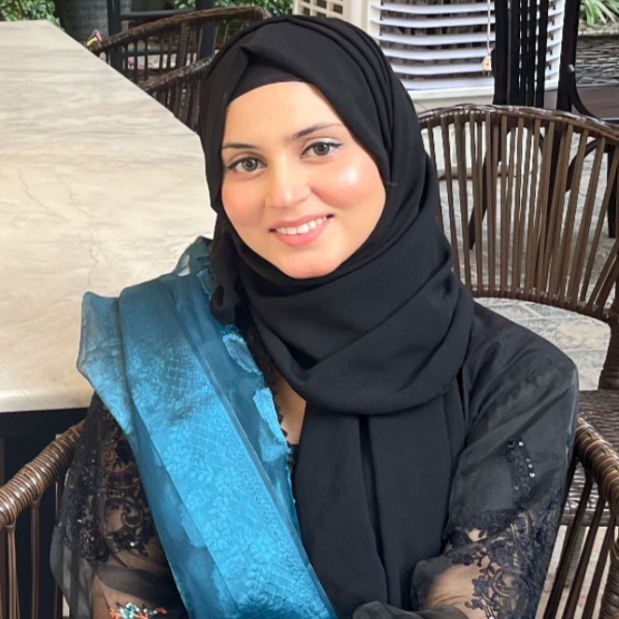
Dr. Bisma Shehzadi
Dr. Dr. Bisma Shehzadi is a highly experienced specialist based in Lahore, Pakistan with over several years of clinical expertise. Specializing in evidence-based and patient-centered care, they provides advanced treatment tailored to individual needs. Currently available on Apka Muaalij, appointments can be booked at 042-32377001.