

How Many Calories Are In Roti? (Nutrition Facts 2026)


Roti is one of the most commonly eaten staple foods in Pakistan, India, and many parts of the world. Whether you're trying to lose weight, manage diabetes, build muscle, or eat a balanced diet, you've probably wondered: How many calories are in one roti?
The answer isn't always straightforward because the calorie content of roti depends on several factors, including its size, flour type, thickness, and whether oil or ghee is used during preparation. Whole wheat roti offers more fiber and nutrients than refined flour alternatives, making it a healthier choice for many people.
Understanding the nutritional value of roti can help you make informed dietary decisions without unnecessarily eliminating a culturally important food from your meals. In this guide, you'll learn how many calories different types of roti contain, how roti compares with rice and naan, whether it's good for weight loss or diabetes, and practical tips for incorporating it into a healthy diet.
Need personalized nutrition advice?
If you're managing obesity, diabetes, PCOS, or another health condition, consult a qualified healthcare professional, including top nutritionist or general physician. Apka Muaalij also offers online consultations with experienced specialists. Call 042-32377001 for guidance.
Quick Answer
A medium whole wheat roti (approximately 40 grams of dough) contains about 110–120 calories, along with approximately 22–24 grams of carbohydrates, 3–4 grams of protein, 0.5–1.5 grams of fat (without oil), and 3–4 grams of dietary fiber. The exact calorie count varies depending on the flour, size, and whether oil or ghee is added during cooking.
Must read: "10 Incredible Lassi Benefits In Summer For Men & Women"
Key Takeaways
-
A medium whole wheat roti typically contains 110–120 calories.
-
Whole wheat roti provides carbohydrates, fiber, protein, vitamins, and minerals.
-
Portion size and added ghee or oil have the biggest impact on calorie content.
-
Whole wheat roti can be included in diets for weight management and diabetes with appropriate portion control.
-
Pair roti with vegetables and lean protein for a balanced meal.
-
Homemade roti is often healthier than restaurant versions because you control the ingredients.
What Is Roti?
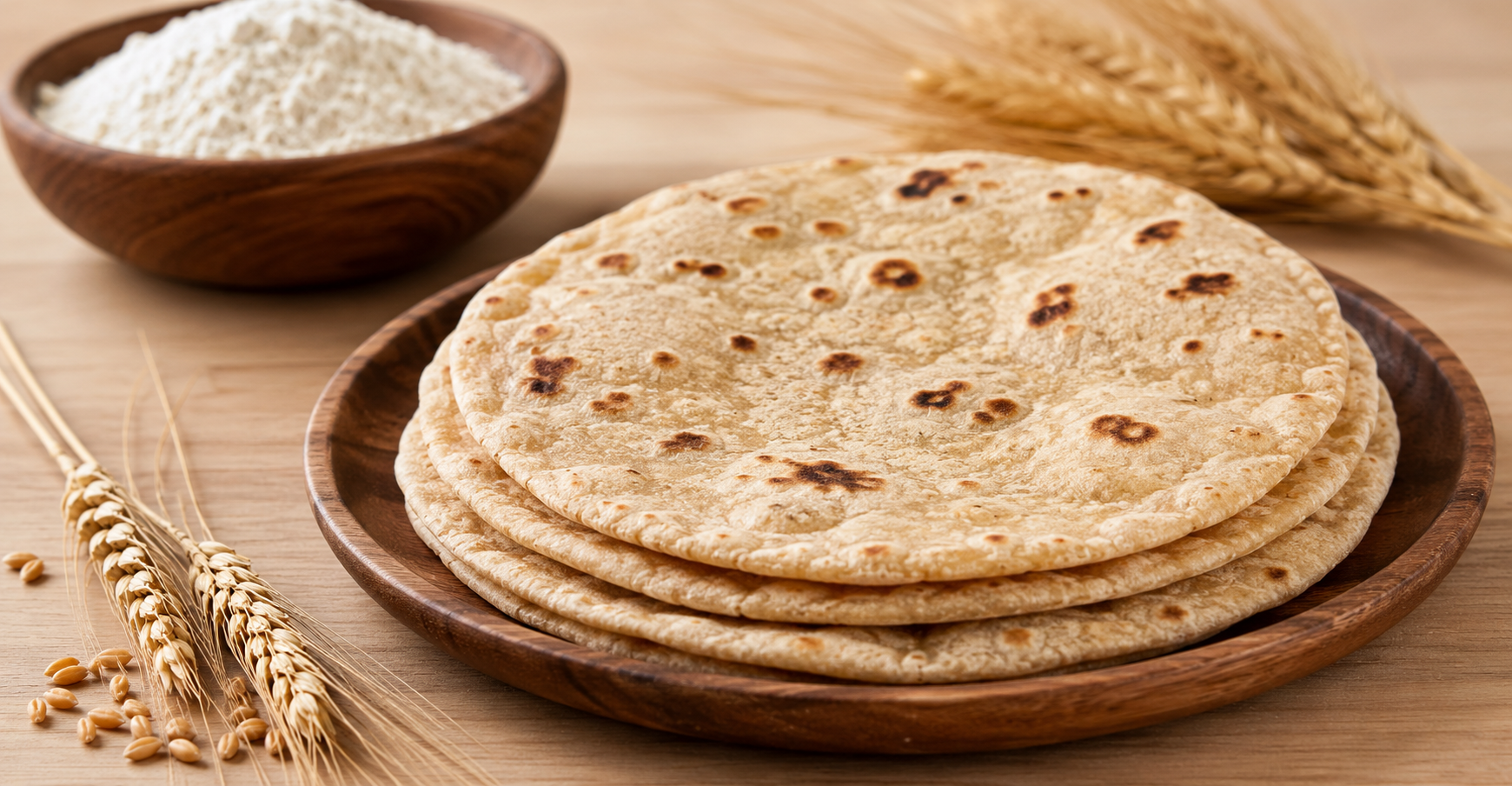
Roti is an unleavened flatbread traditionally prepared from whole wheat flour (atta) and water. It is a staple food throughout Pakistan, India, Bangladesh, Nepal, and many other countries.
Unlike naan or paratha, traditional roti is generally cooked without added oil, making it one of the healthier bread choices.
Nutrition Facts of One Medium Whole Wheat Roti
|
Nutrient |
Approximate Amount |
|
Calories |
110–120 kcal |
|
Carbohydrates |
22–24 g |
|
Protein |
3–4 g |
|
Fat |
0.5–1.5 g |
|
Dietary Fiber |
3–4 g |
|
Iron |
Small amount |
|
Magnesium |
Moderate amount |
|
Potassium |
Moderate amount |
|
B Vitamins |
Present naturally |
Values are approximate and vary according to recipe and serving size.
Calories in Different Types of Roti
|
Type of Roti |
Calories (Approx.) |
|
Small whole wheat roti |
70–90 kcal |
|
Medium whole wheat roti |
110–120 kcal |
|
Large whole wheat roti |
140–170 kcal |
|
Multigrain roti |
110–140 kcal |
|
Bajra roti |
120–140 kcal |
|
Jowar roti |
110–130 kcal |
|
Makki ki roti |
150–180 kcal |
|
Roti with ghee |
150–190 kcal |
Why Does the Calorie Count Change?
Several factors influence how many calories are in a roti:
-
Flour type
-
Dough weight
-
Thickness
-
Diameter
-
Added oil or butter
-
Ghee brushing after cooking
-
Stuffed fillings (such as potato or cheese)
Even two homemade rotis can differ significantly in calories depending on preparation.
Related Articles:
- Mangoes In Pakistan: Health Benefits, Nutrition, Types, Uses, Recipes & More
- 15 Science-Backed Benefits Of Falsa Fruit: Nutrition, Uses, Risks & More
- 25 Reasons Why You Should Eat Watermelon - Nutrition, Recipes & Facts
Is Roti Healthy?
For most healthy adults, yes.
Whole wheat roti provides:
-
Complex carbohydrates
-
Dietary fiber
-
Plant protein
-
Iron
-
Magnesium
-
Selenium
-
Zinc
-
B vitamins
Because it contains fiber, roti helps improve satiety and may support digestive health.
Is Roti Good for Weight Loss?
Yes—when eaten in appropriate portions.
Weight loss depends on maintaining a calorie deficit rather than avoiding carbohydrates altogether.
To make roti weight-loss friendly:
-
Choose whole wheat flour.
-
Avoid excessive ghee or butter.
-
Pair it with vegetables.
-
Include lean protein.
-
Control portion sizes.
A balanced meal is generally more sustainable than eliminating staple foods.
Is Roti Better Than Rice?
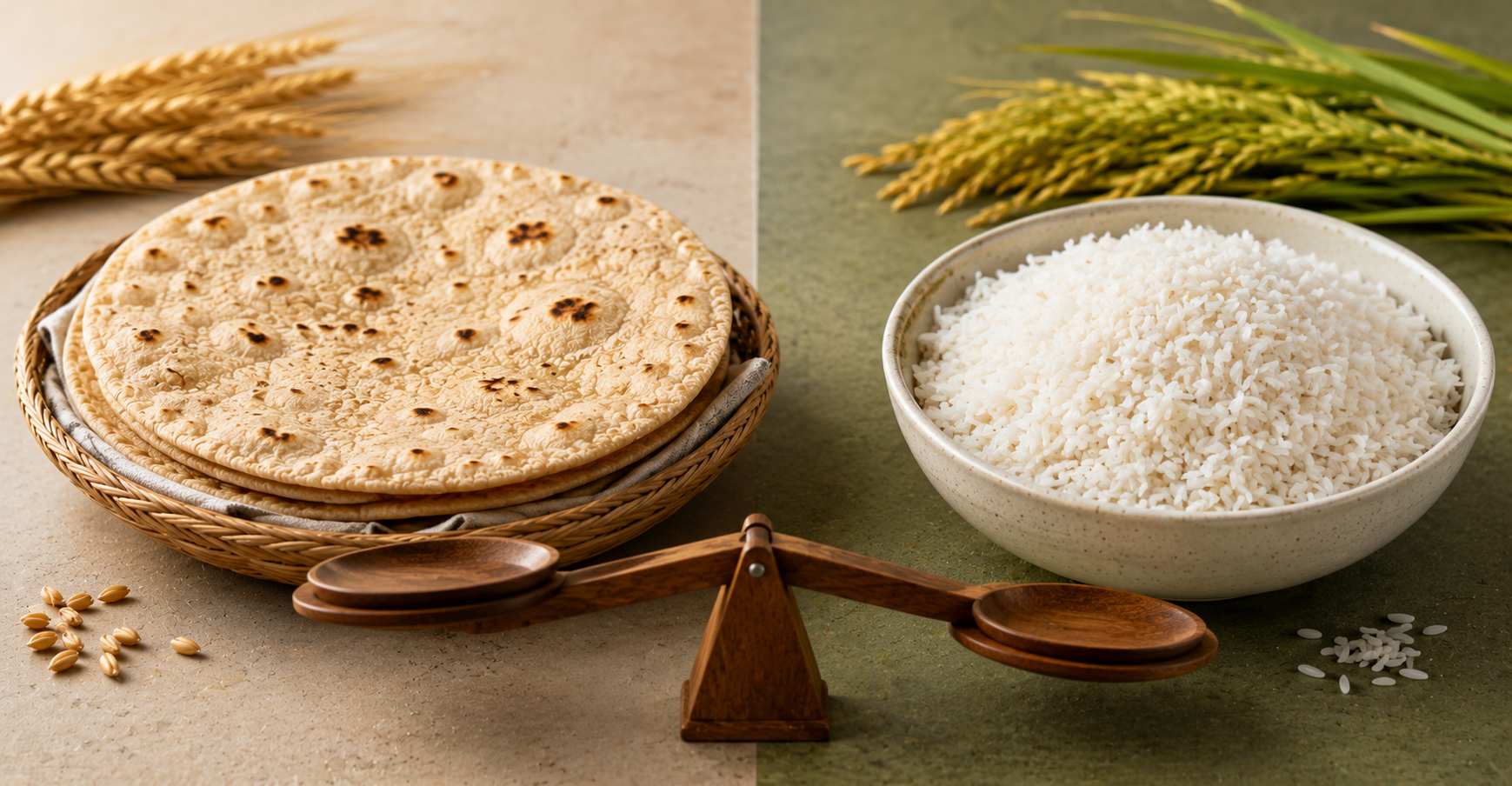
Neither is universally better. The healthier option depends on your overall diet, activity level, and health goals.
|
Feature |
Whole Wheat Roti |
White Rice |
|
Fiber |
Higher |
Lower |
|
Protein |
Slightly higher |
Lower |
|
Satiety |
Higher |
Moderate |
|
Glycemic impact |
Generally lower |
Often higher |
|
Vitamins & Minerals |
More |
Less after polishing |
Brown rice offers more fiber than white rice and can also be part of a healthy diet.
Must read: "15 Benefits Of Coconut Water, Uses, Nutrition, Risks, Best Timing & More"
Is Roti Good for People With Diabetes?
Whole wheat roti can fit into a diabetes meal plan when eaten in moderation.
Helpful strategies include:
-
Eating controlled portions.
-
Combining roti with vegetables.
-
Including protein such as lentils, chicken, fish, eggs, or yogurt.
-
Avoid sugary drinks with meals.
-
Monitor blood glucose as advised by your healthcare provider.
People with diabetes should individualize carbohydrate intake with guidance from a healthcare professional.
Can You Eat Roti Every Day?
Yes.
For most healthy individuals, whole wheat roti can be consumed daily as part of a balanced eating pattern.
Daily nutrition should also include:
-
Vegetables
-
Fruits
-
Beans and lentils
-
Healthy fats
-
Lean protein
-
Dairy or fortified alternatives where appropriate
Variety supports overall nutrient intake.
If you have diabetes, kidney disease, obesity, digestive disorders, or other chronic conditions, individualized meal planning is important. For expert dietary guidance and online consultations, contact Apka Muaalij at 042-32377001.
Calories in Homemade vs Restaurant Roti
Homemade roti often contains fewer calories because you can control:
-
Dough size
-
Flour quality
-
Oil
-
Butter
-
Ghee
Restaurant rotis may be:
-
Larger
-
Thicker
-
Brushed with butter or ghee
-
Made with refined flour in some settings
These factors increase calorie content.
Must read: "Caffeine Side Effects: Symptoms, Risks & Safe Consumption"
How Many Rotis Should You Eat Per Meal?
There is no universal recommendation.
The appropriate number depends on:
-
Age
-
Sex
-
Body weight
-
Physical activity
-
Medical conditions
-
Total daily calorie needs
As a general example:
|
Goal |
Possible Serving* |
|
Weight loss |
1–2 medium rotis |
|
Weight maintenance |
2–3 medium rotis |
|
Highly active individuals |
3–5 or more, depending on energy needs |
*Individual needs vary. A registered dietitian can provide personalized guidance.
Related Articles:
- 15 Amazing Chukandar Benefits In Urdu, Nutrients & Preparations
- Cinnamon: 7 Health Benefits, Uses, Nutrition, Safety & Effects
- Poppy Seeds (Khashkhash): Benefits, Nutrition, Effects & Ways To Eat
Tips to Make Roti Healthier
-
Use 100% whole wheat flour.
-
Limit added ghee and butter.
-
Eat with vegetables.
-
Include protein in every meal.
-
Avoid oversized portions.
-
Add seeds or bran to the dough if appropriate.
-
Consider multigrain flour for variety.
Common Myths About Roti
Myth: Roti always causes weight gain.
Fact: Weight gain results from consuming more calories than you burn, not from eating roti alone.
Myth: People with diabetes should never eat roti.
Fact: Whole wheat roti can be included in many diabetes meal plans with portion control.
Myth: Brown bread is healthier than homemade roti.
Fact: Many commercial breads contain added sugar, sodium, or refined flour. Whole wheat roti is often the less processed choice.
Myth: Skipping roti speeds up weight loss.
Fact: Eliminating staple foods is not necessary for most people. Sustainable eating habits are more effective.
Need Medical Help?
Looking for a personalized diet plan or advice from qualified and top nutritionists or clinical nutritionists? Apka Muaalij provides expert consultations tailored to your health goals. Call 042-32377001 to book an appointment.
Conclusion
Roti remains one of the healthiest staple foods when prepared with whole wheat flour and eaten in balanced portions. Rather than focusing solely on calorie counts, consider the overall quality of your meals, including vegetables, protein, healthy fats, and appropriate serving sizes. For most people, whole wheat roti can be part of a nutritious eating pattern that supports weight management, heart health, and overall well-being.
If you have diabetes, kidney disease, digestive disorders, or other medical conditions, consult a qualified healthcare professional or registered dietitian for individualized dietary advice. Personalized guidance can help you meet your nutritional needs while respecting your cultural food preferences.
Frequently Asked Questions
1. How many calories are in one homemade wheat roti?
A medium homemade whole wheat roti typically contains 110–120 calories, although the exact amount depends on its size and whether oil or ghee is added.
2. Does adding ghee increase the calories in roti?
Yes. One teaspoon of ghee adds approximately 45 calories, significantly increasing the total calorie content.
3. Is roti healthier than naan?
Generally, yes. Traditional whole wheat roti is lower in calories and fat than naan, which is often made with refined flour and may contain butter or oil.
4. Can I eat roti while trying to lose weight?
Yes. Weight loss depends on your overall calorie intake. Portion-controlled whole wheat roti can be included in a calorie-controlled diet.
5. Which flour makes the healthiest roti?
Whole wheat flour is an excellent everyday choice because it provides fiber, vitamins, and minerals. Multigrain, jowar, and bajra flours can also contribute to nutritional variety.
Also read: "12 Potential Benefits Of Saunf In Urdu & How To Use It"
6. Is roti gluten-free?
No. Wheat roti contains gluten. People with celiac disease should avoid wheat and choose naturally gluten-free alternatives such as jowar, bajra, or maize-based breads if appropriate.
7. How much protein is in one roti?
A medium whole wheat roti usually contains 3–4 grams of protein.
8. Can children eat roti every day?
Yes. Whole wheat roti can be part of a healthy diet for children when served with vegetables, protein-rich foods, fruits, and other nutritious foods appropriate for their age.
9. Is multigrain roti healthier than wheat roti?
Not always. The nutritional value depends on the ingredients. Some multigrain flours contain only small amounts of additional grains, so reading ingredient labels is helpful.
10. Is roti a good source of fiber?
Whole wheat roti provides more fiber than breads or flatbreads made from refined flour, supporting digestive health and helping you feel full longer.
References
-
World Health Organization (WHO). Healthy Diet. https://www.who.int/news-room/fact-sheets/detail/healthy-diet
-
U.S. Department of Agriculture (USDA). FoodData Central. https://fdc.nal.usda.gov/
-
American Diabetes Association. Nutrition and Healthy Eating. https://diabetes.org/
-
National Institutes of Health (NIH), Office of Dietary Supplements. https://ods.od.nih.gov/
-
NHS. Eatwell Guide. https://www.nhs.uk/live-well/eat-well/
-
Harvard T.H. Chan School of Public Health. The Nutrition Source: Healthy Eating Plate. https://www.hsph.harvard.edu/nutritionsource/
-
Mayo Clinic. Weight Loss: Choosing Foods That Keep You Full Longer. https://www.mayoclinic.org/
-
Cleveland Clinic. Whole Grains: Benefits and Nutrition. https://health.clevelandclinic.org/
Disclaimer: This article is intended for educational and informational purposes only. It is not a substitute for professional medical advice, diagnosis, or treatment. Always consult a qualified physician, registered dietitian, or other licensed healthcare professional regarding any medical condition, dietary concern, or before making significant changes to your eating habits.

Find & Book the best "Nutritionist" near you
Book Appointment