

Creatine For Women: Benefits, Effects, Safety, Dosage & More


Creatine has long been associated with bodybuilding and male athletes. That perception is changing fast. Today, women across all age groups are exploring creatine not just for fitness, but for energy, cognitive health, and healthy aging.
If you’ve ever wondered whether creatine is safe, effective, or even necessary for women, this guide will give you clear, evidence-based answers. It cuts through myths, explains how it actually works in the female body, and helps you decide if it fits your goals.
Key Takeaways
-
Creatine is safe, well-researched, and effective for women
-
It improves strength, performance, and recovery
-
Benefits extend beyond fitness to brain health and aging
-
It does not cause fat gain or bulky muscles
-
3–5 grams daily of creatine monohydrate is sufficient
-
Works best when combined with resistance training and good nutrition
What Is Creatine and How Does It Work?
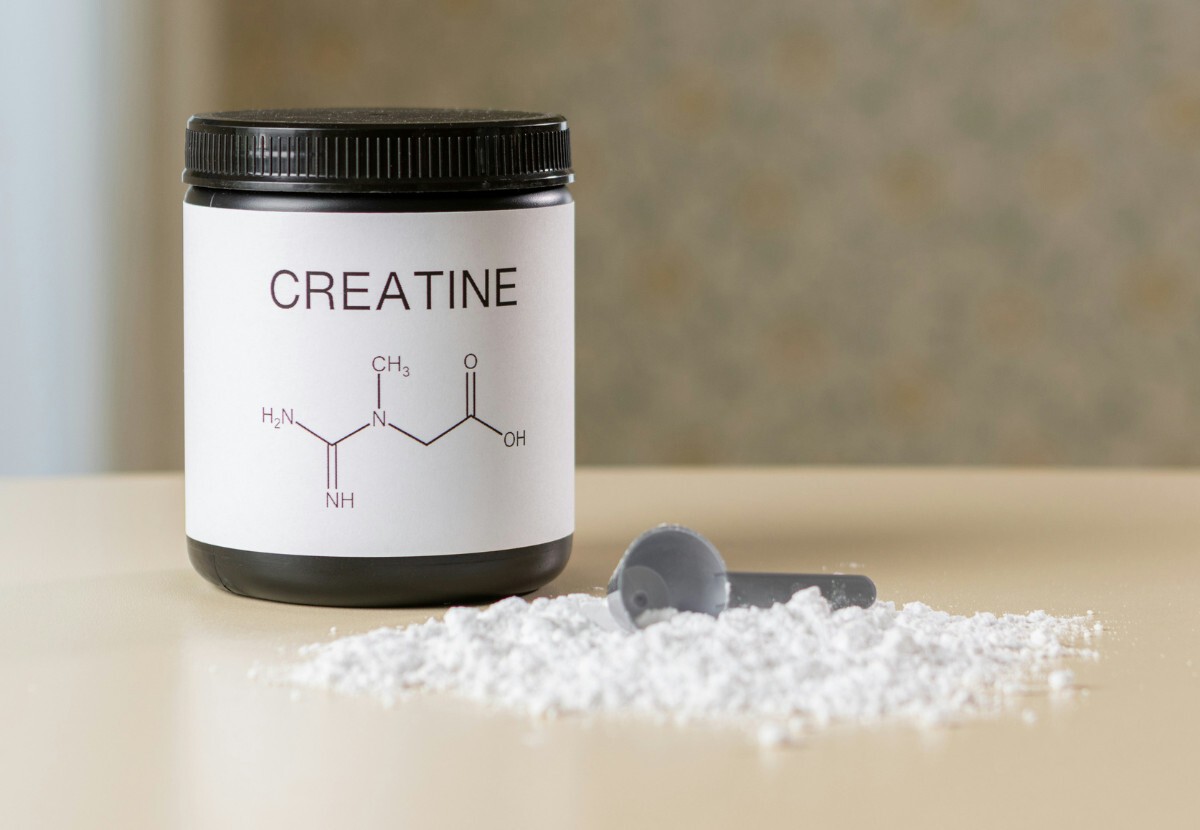
Creatine is a naturally occurring compound that helps your body produce quick energy for high-intensity activities.
It is made from three amino acids: arginine, glycine, and methionine. Your body produces about 1–2 grams daily, and you get additional amounts from foods like red meat and fish.
What creatine does in simple terms
Creatine is stored in muscles as phosphocreatine. Its main job is to help regenerate ATP (adenosine triphosphate), the primary energy currency of your cells.
Why this matters for women
Women typically have:
-
Lower dietary creatine intake (especially vegetarians)
-
Slightly lower baseline muscle creatine stores
-
Different hormonal fluctuations affecting energy and recovery
This means supplementation may offer meaningful benefits even beyond athletic performance.
7 Potential Benefits of Creatine for Women's Health

Creatine is one of the most studied supplements in sports nutrition. Research over the past decade has expanded its relevance for women’s health.
1. Increased Strength and Lean Muscle
Creatine enhances strength by improving energy availability during resistance training.
What the research shows:
-
The International Society of Sports Nutrition reports consistent improvements in strength and lean mass with creatine supplementation.
-
Gains are more noticeable when combined with resistance training.
Important clarification:
Creatine does not directly build muscle. It helps you train harder and recover better, which leads to muscle development over time.
2. Improved Exercise Performance
Creatine is especially effective for:
-
Weightlifting
-
Sprinting
-
High-intensity interval training (HIIT)
For women, this translates to:
-
Better workout quality
-
Reduced fatigue
-
Faster progress
3. Muscle Preservation and Healthy Aging
As women age, muscle mass naturally declines. This process accelerates after menopause due to reduced estrogen levels.
Creatine may help:
-
Preserve muscle mass
-
Improve functional strength
-
Support independence and mobility
A review published in Nutrients (2021) found that creatine combined with resistance training improved muscle mass and strength in older women.
4. Potential Bone Health Support
Bone density loss is a major concern for women, especially post-menopause.
While results are mixed, some studies suggest:
-
Creatine may enhance the effects of resistance training on bone strength
-
It may reduce markers of bone breakdown
The mechanism is indirect. Stronger muscles place more mechanical load on bones, stimulating bone formation.
5. Cognitive Function and Brain Health
Creatine is not just for muscles. The brain also uses creatine for energy.
Emerging research suggests benefits for:
-
Memory
-
Focus
-
Mental fatigue
-
Sleep-deprivation resilience
A study in Sleep (2018) showed improved cognitive performance in sleep-deprived individuals using creatine.
For women experiencing:
-
Brain fog
-
Hormonal fluctuations
-
Stress or fatigue
Creatine may offer noticeable support.
6. Mood and Mental Well-being
Some early clinical research suggests creatine may support mood, especially when combined with antidepressants.
A study in Biological Psychiatry found that women taking creatine alongside antidepressants experienced greater reductions in depressive symptoms compared to medication alone.
While promising, this area still needs more research.
7. Reduced Fatigue and Better Recovery
Creatine helps:
-
Reduce muscle damage
-
Improve recovery between workouts
-
Maintain training consistency
This is particularly helpful for women balancing:
-
Work
-
Family
-
Fitness routines
Consistency is where real progress happens, and creatine supports that.
Creatine for Women Across Different Life Stages
Premenopausal Women
Benefits include:
-
Better workout performance
-
Reduced fatigue during menstrual cycle phases
-
Improved recovery
Some women report improved energy during the luteal phase when fatigue is higher.
Perimenopause and Menopause
This stage often includes:
-
Muscle loss
-
Increased fat gain
-
Reduced energy
-
Brain fog
Creatine may help:
-
Maintain muscle mass
-
Support cognitive function
-
Improve exercise capacity
Older Women (50+)
Creatine combined with resistance training can:
-
Improve strength
-
Support independence
-
Reduce fall risk
This is one of the most evidence-supported use cases.
Pregnancy and Breastfeeding
Important: There is limited research in this area.
How to Take Creatine (Dosage, Timing, and Forms)
Recommended Dosage
-
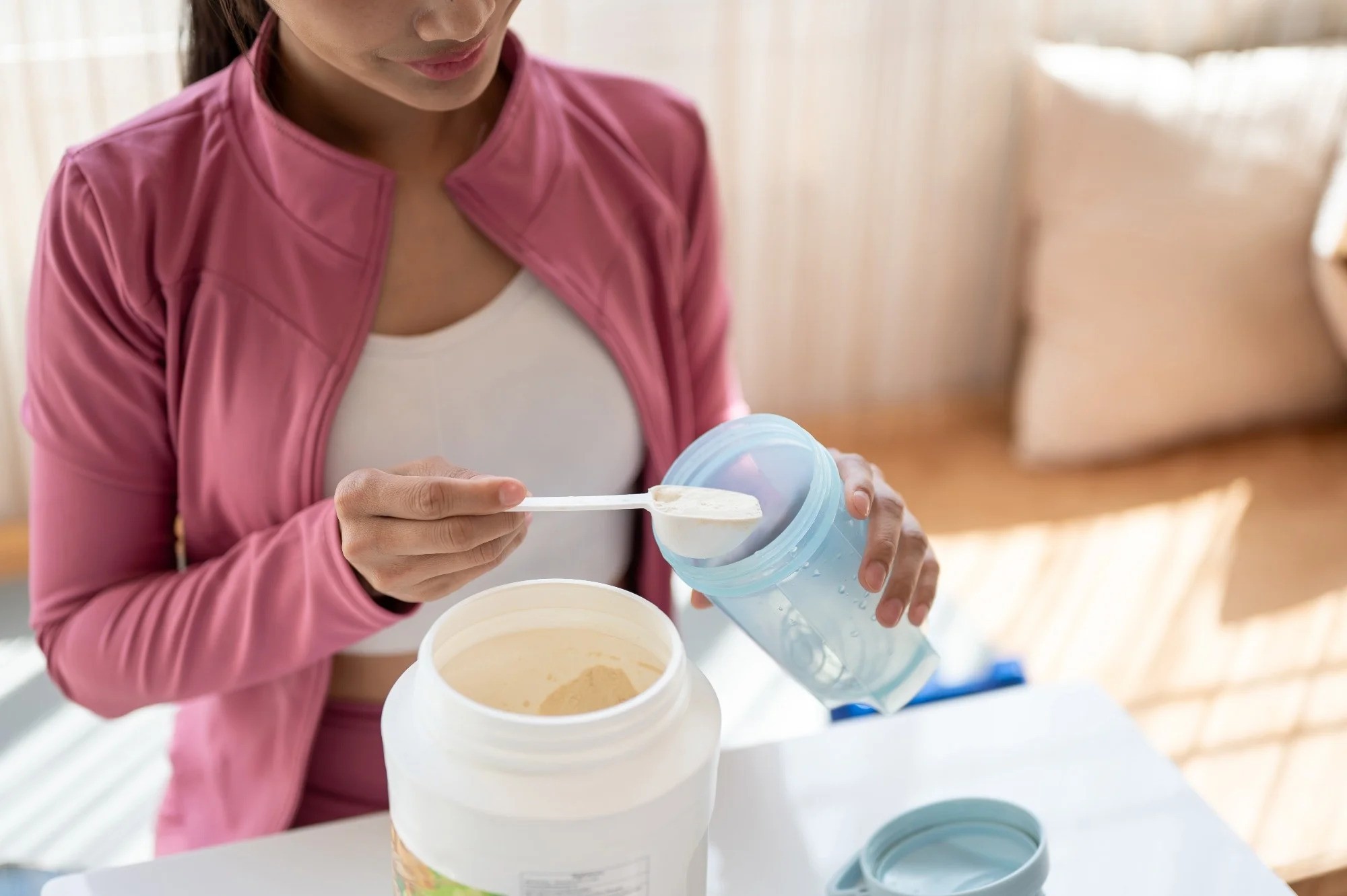
Standard dose: 3–5 grams per day
-
Optional loading phase: 20 grams per day (split into 4 doses) for 5–7 days
Loading is not necessary. It only speeds up saturation.
Best Type of Creatine
|
Type |
Notes |
|
Creatine Monohydrate |
Most researched, safest, affordable |
|
Creatine HCL |
Less evidence |
|
Buffered Creatine |
No proven advantage |
Bottom line: Creatine monohydrate is the gold standard.
When to Take Creatine
-
Any time of day works
-
Consistency matters more than timing
-
Some evidence suggests post-workout may be slightly beneficial
How to Take It
-
Mix with water, juice, or a shake
-
Take daily, even on rest days
-
Stay hydrated
Does Creatine Cause Weight Gain in Women?
Creatine may cause a small increase in weight due to water retention in muscles, not fat gain.
What actually happens:
-
Water is drawn into muscle cells
-
Muscles look fuller and more defined
-
Scale weight may increase slightly
This is not body fat.
Common Myths About Creatine for Women
Myth 1: Creatine makes women bulky
False. Women have lower testosterone levels, making large muscle gain unlikely.
Myth 2: Creatine is a steroid
False. Creatine is a naturally occurring compound, not a hormone or drug.
Myth 3: Creatine damages kidneys
False for healthy individuals.
Extensive research shows no harm in healthy adults (ISSN position stand).
People with kidney disease should consult a doctor.
Myth 4: You must cycle creatine
False. There is no evidence cycling is necessary.
Myth 5: Creatine is only for athletes
False. Benefits extend to:
-
Busy professionals
-
Older adults
-
Women focused on long-term health
Who Should Consider Taking Creatine?
You may benefit if you:
-
Strength train or exercise regularly
-
Want to improve performance
-
Feel fatigued or low-energy
-
Follow a vegetarian or vegan diet
-
Are entering menopause
-
Want to preserve muscle and bone health
Potential Side Effects and Safety
Creatine is widely considered safe.
Possible mild side effects:
-
Bloating (usually temporary)
-
Stomach discomfort (at high doses)
-
Water retention
Who should be cautious:
-
People with kidney disease
-
Those on medications affecting kidney function
-
Pregnant or breastfeeding women
Always consult a healthcare provider if unsure.
Final Thoughts
Creatine is no longer just a “gym supplement.” It is a versatile, science-backed tool that supports performance, recovery, and long-term health in women.
Whether your goal is strength, energy, or healthy aging, creatine can play a meaningful role when used consistently and responsibly.
For personalized dietary and pregnancy-related guidance, consult a PMDC-verified gynecologist near you through Apka Muaalij, Pakistan’s leading digital healthcare platform. Call 042-32377001 to book an online video consultation and receive trusted medical advice from the comfort of your home.
Frequently Asked Questions (FAQs)
Is creatine safe for women?
Yes. Creatine is one of the most researched supplements and is safe for healthy women when taken at recommended doses. Clinical reviews, including those from the International Society of Sports Nutrition, confirm its safety profile.
Will creatine make me gain fat?
No. Creatine does not increase body fat. Any weight gain is due to water retention in muscles, not fat accumulation.
How long does creatine take to work?
Most women notice benefits within 2–4 weeks. A loading phase can accelerate results, but it is not necessary.
Can women take creatine every day?
Yes. Daily use is recommended to maintain muscle creatine levels. Consistency is key for effectiveness.
Do I need to work out to benefit from creatine?
Not necessarily. While benefits are greater with exercise, creatine may still support cognitive function and muscle preservation without intense training.
Is creatine good for weight loss?
Creatine does not directly cause fat loss, but it can support lean muscle growth, which may improve metabolism and body composition over time.
Should women load creatine?
Loading is optional. It speeds up muscle saturation but is not required. A daily dose of 3–5 grams works just as well over time.
Does creatine affect hormones in women?
No. Current research shows no negative impact on female hormones such as estrogen or progesterone.
Can vegetarians benefit more from creatine?
Yes. Vegetarians often have lower baseline creatine levels, making supplementation more beneficial.
Can creatine help with brain fog?
Possibly. Emerging research suggests creatine supports brain energy metabolism, which may improve focus and reduce mental fatigue.
Disclaimer: This content is for informational purposes only and does not constitute medical advice. Always consult a qualified healthcare professional before starting any supplement, especially if you have underlying health conditions, are pregnant, breastfeeding, or taking medication.

Find & Book the best "Gynecologist" near you
Book Appointment