

Brown Rice vs. White Rice: Which Is Healthier?

Rice is a daily staple for billions of people, from South Asia to the Middle East and beyond. In many households, rice accompanies meals from biryani and pulao to simple lentils and vegetables. Yet a common question arises in nutrition discussions: Is brown rice healthier than white rice?
This guide examines the nutritional differences, health effects, cultural considerations, and practical factors to help you make an informed choice that aligns with your health goals, lifestyle, and faith-based values.
Also read: "کلونجی کے ۱۳ حیران کن فوائد | استعمال، نقصانات اور کھانے کا بہترین وقت"
Key Takeaways
-
Brown rice is a whole grain rich in fiber, minerals, and antioxidants that support heart health, digestion, and blood sugar control.
-
White rice is more processed but remains a practical choice for quick energy, easy digestion, and culinary versatility.
-
Individuals with diabetes or weight management goals may benefit from choosing brown rice more often.
-
Cultural preferences, cooking time, and digestive needs can influence the best choice for each household.
-
A balanced diet that includes a variety of grains aligns with both modern nutrition science and faith-based guidance on moderation.
Difference Between Brown and White Rice
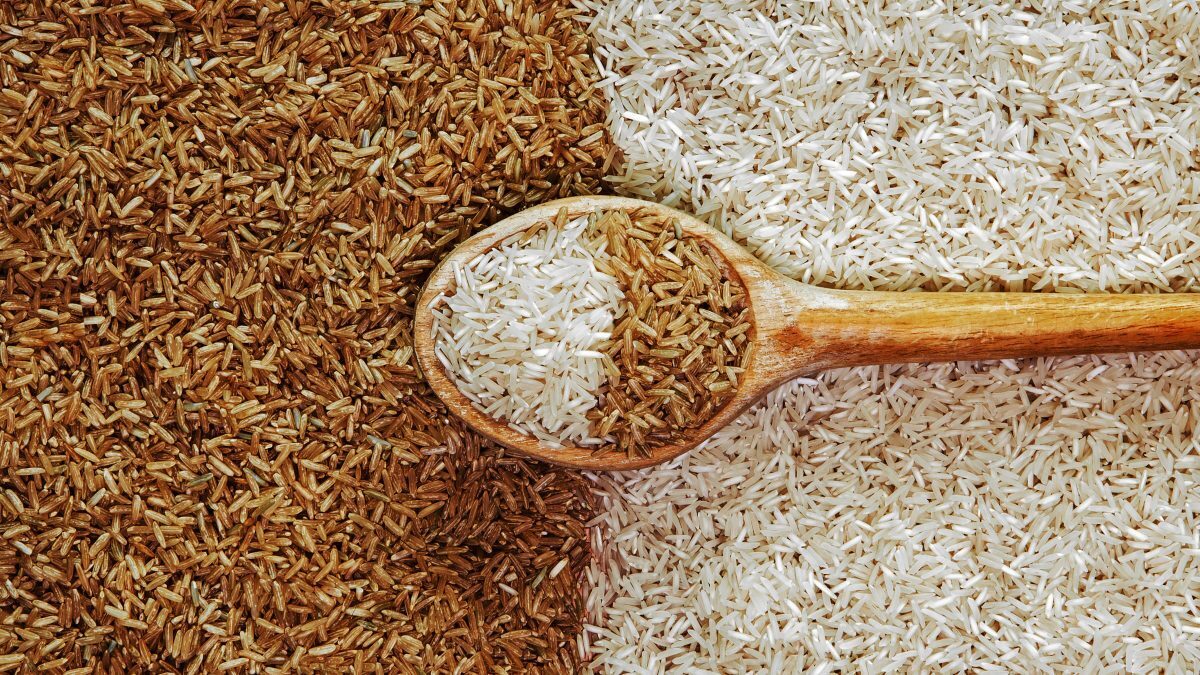
What Is Brown Rice?
Brown rice is a whole grain. It contains all parts of the grain kernel:
-
Bran
-
Germ
-
Endosperm
Because it retains its outer layers, brown rice is richer in fiber, vitamins, and minerals.
What Is White Rice?
White rice is milled and polished to remove the bran and germ, leaving only the starchy endosperm. This process improves texture and shelf life but reduces nutrient content.
Also learn: "14 Effective Methi Dana Benefits, Uses, Side Effects & More"
Nutritional Comparison
The following table compares one cup of cooked brown rice and white rice.
|
Nutrient |
Brown Rice |
White Rice |
|
Calories |
~216 |
~205 |
|
Fiber |
3.5 g |
0.6 g |
|
Magnesium |
High |
Low |
|
Vitamin B1 (Thiamine) |
Moderate |
Often enriched |
|
Glycemic Index |
Lower |
Higher |
|
Antioxidants |
Present |
Minimal |
While white rice is often enriched with vitamins, it still lacks the natural fiber and micronutrient profile of brown rice.
Glycemic Index and Blood Sugar Control
Why Glycemic Index Matters
The glycemic index (GI) measures how quickly a food raises blood sugar levels. Foods with a lower GI help maintain stable glucose levels and reduce insulin spikes.
-
Brown rice GI: approximately 50–55
-
White rice GI: approximately 70–75
This difference makes brown rice a better choice for individuals with diabetes, insulin resistance, or metabolic concerns.
According to research published in the Harvard T.H. Chan School of Public Health, replacing white rice with whole grains may lower the risk of type 2 diabetes.
Fiber Content and Digestive Health
Fiber supports digestion, gut health, and satiety.
Benefits of Brown Rice Fiber
-
Promotes healthy bowel movements
-
Supports beneficial gut bacteria
-
Helps maintain fullness and weight control
White rice, being low in fiber, digests quickly and may lead to hunger sooner after meals.
Dr. Walter Willett of Harvard T.H. Chan School of Public Health notes that whole grains contribute to improved digestive and metabolic health.
Heart Health and Cholesterol
Whole grains like brown rice have been linked to improved heart health.
How Brown Rice Supports Cardiovascular Health
-
Contains magnesium, which supports healthy blood pressure
-
Provides antioxidants that reduce inflammation
-
May help lower LDL cholesterol
White rice lacks these protective compounds due to processing.
The American Journal of Clinical Nutrition reports that whole grain intake is associated with reduced cardiovascular risk.
Weight Management and Satiety
For individuals seeking weight control, the choice between brown and white rice can influence appetite and calorie intake.
Brown Rice and Satiety
The fiber in brown rice slows digestion, helping you feel fuller for longer. This can reduce overeating and support healthy weight management.
White rice digests quickly, which may lead to increased hunger and snacking.
Cultural and Practical Considerations
Taste and Texture Preferences
-
Brown rice: nutty flavor, chewy texture
-
White rice: soft, fluffy, neutral taste
White rice remains popular in traditional dishes because of its texture and ability to absorb flavors.
Cooking Time and Convenience
|
Factor |
Brown Rice |
White Rice |
|
Cooking time |
35–45 minutes |
15–20 minutes |
|
Water required |
More |
Less |
|
Shelf life |
Shorter |
Longer |
For busy households, white rice offers convenience, while brown rice requires planning.
Nutrient Enrichment in White Rice
Many countries fortify white rice with iron and B vitamins to address nutrient deficiencies. However, enrichment does not restore fiber or phytonutrients lost during processing.
Health Perspectives from Faith Traditions
Islam encourages moderation and wholesome eating.
The Qur’an states:
“O mankind, eat from whatever is on earth that is lawful and good.”
— Qur’an 2:168
The emphasis on “good” (tayyib) includes foods that nourish the body.
The Prophet Muhammad (peace be upon him) also said:
“The son of Adam does not fill any vessel worse than his stomach.”
— Jami` at-Tirmidhi 2380
This teaching encourages mindful eating and portion control.
For Christian readers, the Bible offers a similar perspective:
“Whether you eat or drink, do all to the glory of God.”
— 1 Corinthians 10:31
These teachings support choosing foods that sustain health and balance.
Also read: "Berberine Vs Metformin: How Do They Compare"
Potential Concerns with Brown Rice
Arsenic Content
Brown rice may contain higher levels of arsenic due to its outer layers. To reduce exposure:
-
Rinse thoroughly before cooking
-
Use excess water and drain
-
Vary grains in your diet
Food safety authorities note that moderate consumption remains safe for most people.
When White Rice May Be a Better Choice
Despite its lower nutrient density, white rice has practical advantages.
Situations Where White Rice Is Suitable
-
For individuals with digestive issues or inflammatory bowel conditions
-
During recovery from illness, when low-fiber foods are recommended
-
For athletes needing quick energy replenishment
-
When cultural or culinary preferences prioritize texture
Nutrition is context-dependent, not one-size-fits-all.
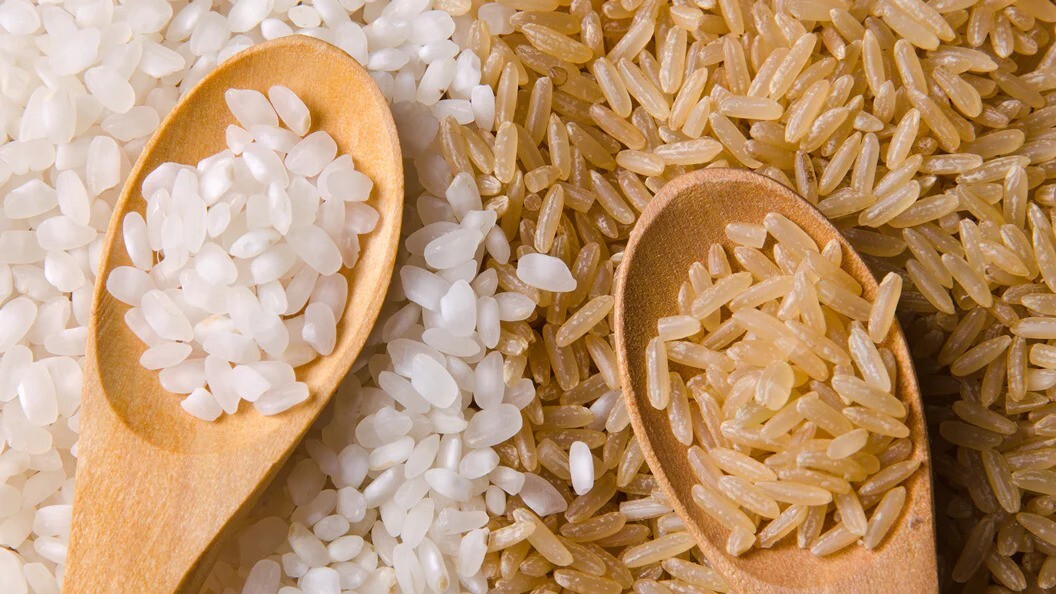
Brown Rice vs. White Rice: Quick Comparison
|
Category |
Brown Rice |
White Rice |
|
Nutritional value |
Higher |
Lower |
|
Fiber |
High |
Low |
|
Blood sugar impact |
Lower |
Higher |
|
Cooking time |
Longer |
Shorter |
|
Taste |
Nutty |
Mild |
|
Best for |
Metabolic health |
Quick energy |
Read: "16 Benefits Of Extra Virgin Olive Oil, Uses, Side Effects & More "
Need Healthcare Assistance?
Our expert healthcare professionals, including the best nutritionists and general physicians near you in Pakistan, are here to support you. If you have specific health concerns or queries, Apka Muaalij encourages you to consult your qualified specialists. Book an online video consultation or call 042-32377001.
Frequently Asked Questions (FAQs)
Is brown rice always healthier than white rice?
Brown rice is generally more nutritious due to its fiber and micronutrients, but individual needs and digestive tolerance matter.
Can people with diabetes eat white rice?
Yes, in moderation and paired with protein and fiber to reduce blood sugar spikes.
Does brown rice help with weight loss?
Its fiber content promotes fullness, which may support weight management when combined with a balanced diet.
Is white rice enriched with nutrients?
Many varieties are fortified with iron and B vitamins, though they lack fiber.
Which rice is better for heart health?
Brown rice is associated with improved cardiovascular health due to its whole-grain benefits.
Is brown rice safe for daily consumption?
Yes, when prepared properly and consumed as part of a varied diet.
Why does brown rice take longer to cook?
Its intact bran layer requires more time and water to soften.
Can children eat brown rice?
Yes, though some children may prefer the softer texture of white rice.
Does soaking brown rice reduce cooking time?
Yes, soaking for several hours can shorten cooking time and improve digestibility.
Is basmati rice healthier than regular white rice?
Basmati has a slightly lower glycemic index than other white rice varieties, but still lacks fiber.
Can brown rice cause bloating?
Some individuals may experience bloating due to fiber content. Gradual introduction helps.
Which rice is better during illness?
White rice is often recommended because it is easy to digest.
Is brown rice halal?
Yes, both brown and white rice are halal as plant-based foods.
Does brown rice contain gluten?
No, both types of rice are naturally gluten-free.
Can mixing brown and white rice be beneficial?
Yes, combining them offers improved nutrition while maintaining preferred texture.
Disclaimer: This article is for educational purposes only and does not replace professional medical or nutritional advice. Consult a qualified healthcare provider or registered dietitian before making significant dietary changes, especially if you have diabetes, kidney disease, or digestive conditions.

Find & Book the best "General Physician" near you
Book Appointment
Ifra Sarwar
Dr. Ifra Sarwar is a highly experienced specialist based in Lahore, Pakistan with over several years of clinical expertise. Specializing in evidence-based and patient-centered care, they provides advanced treatment tailored to individual needs. Currently available on Apka Muaalij, appointments can be booked at 042-32377001.