

Birth Control Pills In Pakistan: Types, Prices & How They Work

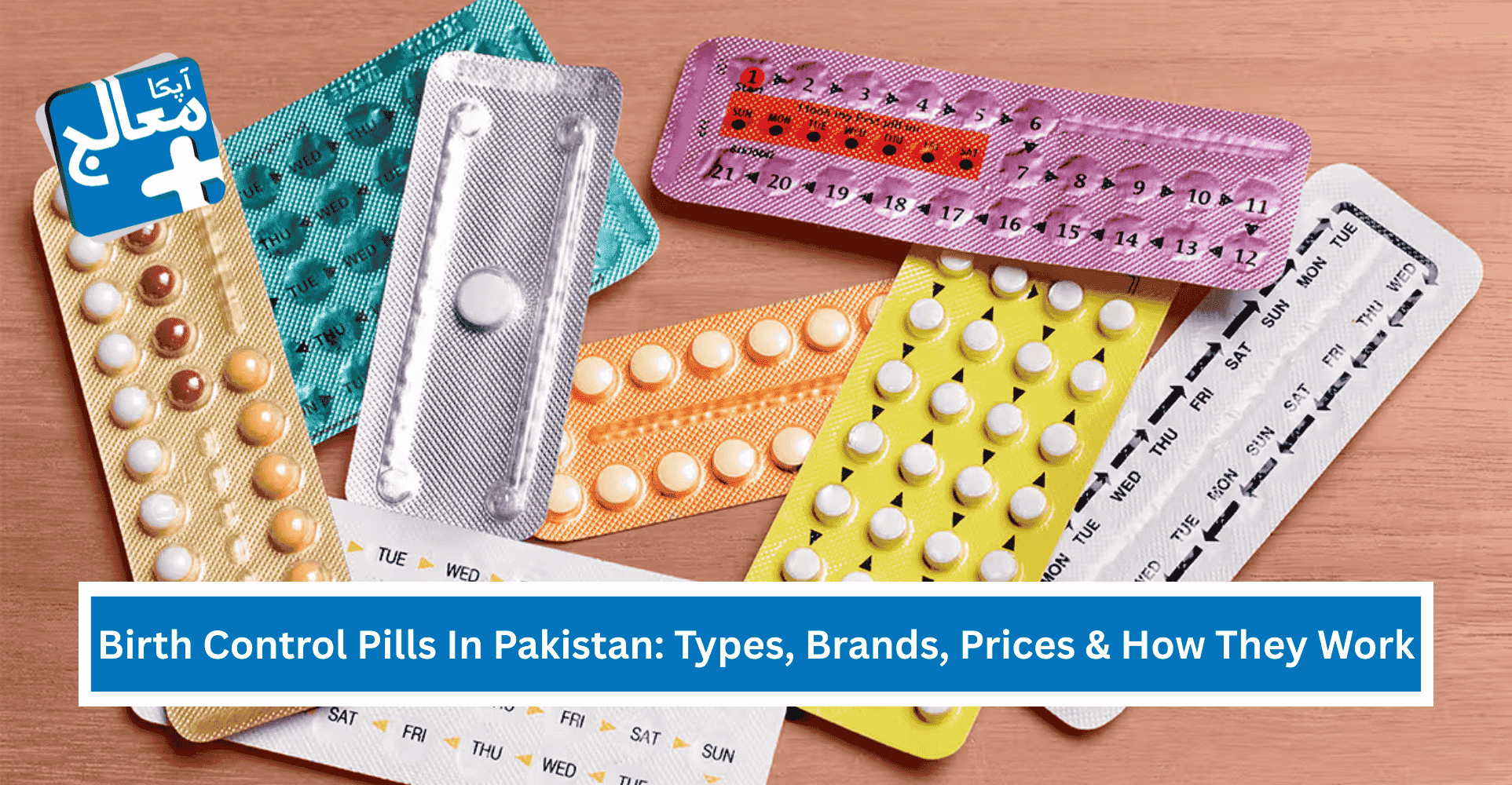
Birth control pills remain one of the most widely used modern contraception methods worldwide. In Pakistan, awareness about oral contraceptives has grown steadily, yet many women still struggle to find clear, trustworthy information about their options.
Questions such as which birth control pills are available, how safe they are, whether they cause infertility, and how to use them correctly are extremely common. Cultural sensitivities, limited reproductive health education, and misinformation often make it harder for women and couples to make informed decisions.
This comprehensive guide explains everything you need to know about birth control pills in Pakistan. It covers how they work, the types available, commonly used brands, benefits, side effects, pricing, safety considerations, and common myths.
The goal is to help you understand contraception in a medically accurate and practical way so that you can discuss it confidently with a healthcare professional.
Key Takeaways
-
Birth control pills are hormonal medications used to prevent pregnancy.
-
Two main types exist: combination pills and progestin-only pills.
-
Many affordable brands are available in Pakistan, including Famila 28, Desofam, and Diane-35.
-
Pills prevent pregnancy by stopping ovulation, thickening cervical mucus, and altering the uterine lining.
-
When taken correctly, oral contraceptives are more than 99 percent effective.
-
They also offer additional health benefits, including menstrual regulation and acne treatment.
What Are Birth Control Pills?

Birth control pills are oral medications that contain synthetic hormones designed to prevent pregnancy. They are commonly called oral contraceptives or simply “the pill.”
These pills work primarily by regulating hormones that control ovulation and reproductive processes.
According to the World Health Organization, oral contraceptives are among the most effective reversible methods of contraception when used correctly.
Globally, more than 100 million women rely on oral contraceptives as a safe family planning method.
In Pakistan, birth control pills are available at pharmacies, clinics, and reproductive health centers. Many brands are affordable and widely distributed through both government programs and private pharmaceutical companies.
Why Birth Control Awareness Matters in Pakistan
Family planning plays a crucial role in maternal health, economic stability, and women's empowerment.
Studies supported by the United Nations Population Fund and Pakistan’s national demographic surveys show that:
-
Millions of pregnancies each year are unintended.
-
Many women want to delay pregnancy but lack access to reliable contraception.
-
Cultural stigma often prevents open discussion about reproductive health.
Improving awareness about birth control pills helps women:
-
Plan pregnancies safely
-
Reduce health risks associated with closely spaced pregnancies.
-
Manage menstrual conditions
-
Treat certain hormonal disorders.
Birth control pills are, therefore, not only a contraceptive tool but also part of broader reproductive healthcare.
How Birth Control Pills Work
Birth control pills prevent pregnancy through three biological mechanisms.
1. Preventing Ovulation
Most oral contraceptives stop the ovaries from releasing an egg during the menstrual cycle. Without ovulation, fertilization cannot occur.
2. Thickening Cervical Mucus
The hormones in birth control pills make cervical mucus thicker, which makes it difficult for sperm to travel through the cervix.
3. Changing the Uterine Lining
The pills thin the uterine lining (endometrium), making it less likely that a fertilized egg can implant.
Together, these mechanisms make pregnancy highly unlikely.
When taken consistently and correctly:
-
Perfect use effectiveness: over 99%
-
Typical use effectiveness: around 91%
Reproductive health authorities, including the Centers for Disease Control and Prevention, widely cite these estimates.
Types of Birth Control Pills

There are two main types of oral contraceptive pills available in Pakistan.
1. Combination Birth Control Pills (COCP)
Combination pills contain two hormones:
-
Estrogen
-
Progestin
These pills are the most commonly prescribed type worldwide.
How they work
-
Stop ovulation
-
Thicken cervical mucus
-
Regulate menstrual cycles
Typical usage
Most packs contain:
-
21 active pills plus 7 placebo pills
or -
28 pills taken continuously
Who usually uses them
Combination pills are often prescribed for:
-
Pregnancy prevention
-
Acne treatment
-
Hormonal regulation
-
Irregular periods
-
Polycystic ovary syndrome (PCOS)
However, women with certain medical conditions, such as blood-clotting disorders or uncontrolled hypertension, may be advised against estrogen-containing pills.
2. Progestin-Only Pills (Mini Pills)
Progestin-only pills contain only the hormone progestin and no estrogen.
They are sometimes called the mini pill.
How they work
-
Thicken cervical mucus
-
Thin the uterine lining
-
Occasionally prevent ovulation
Who should consider them
Mini pills may be recommended for:
-
Breastfeeding mothers
-
Women sensitive to estrogen
-
Women with certain cardiovascular risks
Mini pills require very strict timing. Taking the pill even a few hours late can reduce effectiveness.
8 Common Birth Control Pills Available in Pakistan

Several oral contraceptive brands are widely available in Pakistani pharmacies. Prices may vary slightly depending on city, pharmacy, and availability.
Popular Birth Control Pills in Pakistan
|
Brand |
Type |
Manufacturer |
Typical Price (PKR) |
Key Use |
|
Famila 28 |
Combination |
Zafa Pharmaceuticals |
90 – 120 |
Contraception |
|
Diane-35 |
Combination |
Bayer |
450 – 500 |
Contraception, acne |
|
Novodol |
Combination |
Social Marketing Company |
80 – 150 |
Contraception |
|
Desofam |
Combination |
Zafa Pharmaceuticals |
30 – 100 |
Contraception |
|
Meliane |
Combination |
Bayer |
650 – 750 |
Hormonal regulation |
|
Yaz |
Combination |
Bayer |
700 – 800 |
Contraception, acne |
|
Omatril |
Progestin-only |
OBS Pharma |
200 – 300 |
Hormonal treatment |
|
Nordette |
Combination |
Pfizer |
20 – 60 |
Contraception |
Important note: Prices fluctuate depending on pharmacy supply chains and local availability.
Some pills require a doctor’s prescription, though in practice they are often sold over the counter.
Emergency Contraceptive Pills in Pakistan
Emergency contraceptive pills (ECPs) are taken after unprotected sex to prevent pregnancy.
They are sometimes referred to as the morning-after pill.
What Emergency Contraception Does
Emergency pills delay ovulation or prevent fertilization if taken quickly.
They do not terminate an existing pregnancy and are not abortion pills.
When to Take Them
-
Ideally, within 24 hours
-
Effective up to 72 hours
-
Some formulations work up to 120 hours
Common Emergency Contraceptive Brands
Examples commonly found in Pakistan include:
-
Emkit
-
Postinor-2
-
Levonorgestrel emergency tablets
These pills usually contain the hormone levonorgestrel.
They should be used occasionally and not as a regular contraceptive method.
6 Possible Benefits of Birth Control Pills
Beyond preventing pregnancy, oral contraceptives offer several health benefits.
1. Reliable Pregnancy Prevention
When taken daily, the pill is among the most effective reversible birth control methods.
2. Regular Menstrual Cycles
Birth control pills can help regulate irregular periods and stabilize hormonal fluctuations.
3. Reduced Menstrual Pain
Many women experience lighter and less painful periods while taking hormonal contraceptives.
4. Acne Improvement
Certain pills, such as Diane-35 or Yaz, may reduce acne caused by hormonal imbalance.
5. Lower Risk of Some Cancers
Research cited by the National Cancer Institute shows long-term pill use is associated with reduced risk of:
-
Ovarian cancer
-
Endometrial cancer
6. Treatment for Hormonal Conditions
Doctors often prescribe birth control pills to treat:
-
Polycystic ovary syndrome (PCOS)
-
Heavy menstrual bleeding
-
Endometriosis
Possible Side Effects of Birth Control Pills
Like all medications, birth control pills can cause side effects. Most are mild and improve after the body adjusts to the hormones.
Common Side Effects
-
Nausea
-
Headache
-
Breast tenderness
-
Mood changes
-
Breakthrough bleeding
-
Mild weight fluctuation
Less Common but Serious Risks
In rare cases, combination pills can increase the risk of:
-
Blood clots
-
Stroke
-
High blood pressure
These risks are higher for women who:
-
Smoke
-
Are over 35
-
Have clotting disorders
A medical consultation is recommended before starting hormonal contraception.
Who Should Avoid Birth Control Pills?
Birth control pills may not be suitable for everyone.
Women should consult a healthcare professional if they have:
-
History of blood clots
-
Certain heart conditions
-
Uncontrolled high blood pressure
-
Liver disease
-
Certain types of migraines
-
Breast cancer history
Doctors may recommend alternative contraception methods in these cases.
Drugs That Can Reduce Pill Effectiveness
Some medications can interfere with hormonal contraceptives.
Examples include:
-
Rifampicin antibiotics
-
Anti-seizure medications
-
Certain HIV treatments
-
Herbal supplement St. John’s Wort
These drugs may reduce the pill’s effectiveness and increase pregnancy risk.
Always inform your doctor about medications you are taking.
How to Take Birth Control Pills Correctly

Correct usage significantly improves effectiveness.
Step-by-step guide
-
Start the first pill on the first day of your period or as advised by a doctor.
-
Take one pill at the same time every day.
-
Follow the order shown in the pill pack.
-
If you miss a pill, take it as soon as you remember.
-
Use backup contraception if multiple pills are missed.
Consistency is the most important factor for preventing pregnancy.
Cultural and Social Barriers in Pakistan
Despite availability, many Pakistani women face barriers to accessing contraception.
Common obstacles include:
-
Social stigma around discussing birth control
-
Limited reproductive education
-
Male partner influence in family planning
-
Rural healthcare access limitations
Organizations such as Marie Stopes Society Pakistan and the Population Council actively work to improve reproductive health awareness in underserved communities.
Increasing education about contraception helps families make informed health decisions.
Common Myths About Birth Control Pills
Misconceptions about contraception are widespread. Understanding the facts helps reduce fear and misinformation.
Myth 1: Birth control pills cause permanent infertility
False. Fertility typically returns quickly after stopping the pill.
Myth 2: The pill causes severe weight gain
Most women experience minimal or no long-term weight change.
Myth 3: Pills are unsafe for long-term use
Many women safely use oral contraceptives for years under medical supervision.
Myth 4: Birth control pills cause cancer
Evidence shows the pill may reduce the risk of certain cancers while slightly increasing others. Overall risk remains low for most women.
Need Healthcare Assistance?
Our expert healthcare professionals, including the best gynecologists and general physicians near you in Pakistan, are here to support you. If you have specific health concerns or queries, Apka Muaalij encourages you to consult your qualified specialists. Book an online video consultation or call 042-32377001.
Frequently Asked Questions (FAQs)
Are birth control pills available without a prescription in Pakistan?
Many pharmacies sell birth control pills without a strict prescription requirement, although medical consultation is recommended. Doctors can help determine the safest option based on health history and hormonal needs.
How effective are birth control pills?
When taken perfectly every day, birth control pills are over 99 percent effective. With typical use, which includes missed or late pills, effectiveness is around 91 percent.
Do birth control pills cause infertility?
No. Scientific evidence shows that fertility usually returns within weeks or months after stopping oral contraceptives. Birth control pills do not permanently affect a woman's ability to conceive.
Can unmarried women take birth control pills?
Medically, birth control pills can be used by any woman who needs contraception or hormonal treatment. However, cultural attitudes in Pakistan may influence access or comfort in discussing contraception.
Are birth control pills safe for long-term use?
Many women safely use birth control pills for several years. Doctors usually monitor blood pressure and medical history to ensure continued safety.
Do birth control pills protect against sexually transmitted infections?
No. Birth control pills prevent pregnancy but do not protect against sexually transmitted infections. Condoms are necessary for STI protection.
What happens if I miss a birth control pill?
If you miss one pill, take it as soon as you remember and continue the rest as scheduled. Missing multiple pills may reduce protection, so backup contraception is recommended.
Can birth control pills stop periods completely?
Some pill regimens can reduce or temporarily stop periods. Doctors may prescribe continuous pill use for certain conditions, like endometriosis or severe menstrual pain.
Are emergency contraceptive pills safe?
Emergency contraceptive pills are generally safe when used occasionally. They should not replace regular contraception because frequent use may disrupt menstrual cycles.
Can birth control pills help treat acne?
Yes. Some combination pills regulate androgen hormones that contribute to acne. Doctors often prescribe certain contraceptive brands as part of acne treatment plans.
Disclaimer: This article is intended for educational and informational purposes only. It should not replace professional medical advice, diagnosis, or treatment. Always consult a qualified healthcare provider or gynecologist before starting or changing any form of contraception, including birth control pills. Individual health conditions and medical history must be considered before using hormonal medications.

Find & Book the best "Gynecologist" near you
Book Appointment