

Air Fryer Vs Deep Fryer In Ramadan: Which Is Healthier?

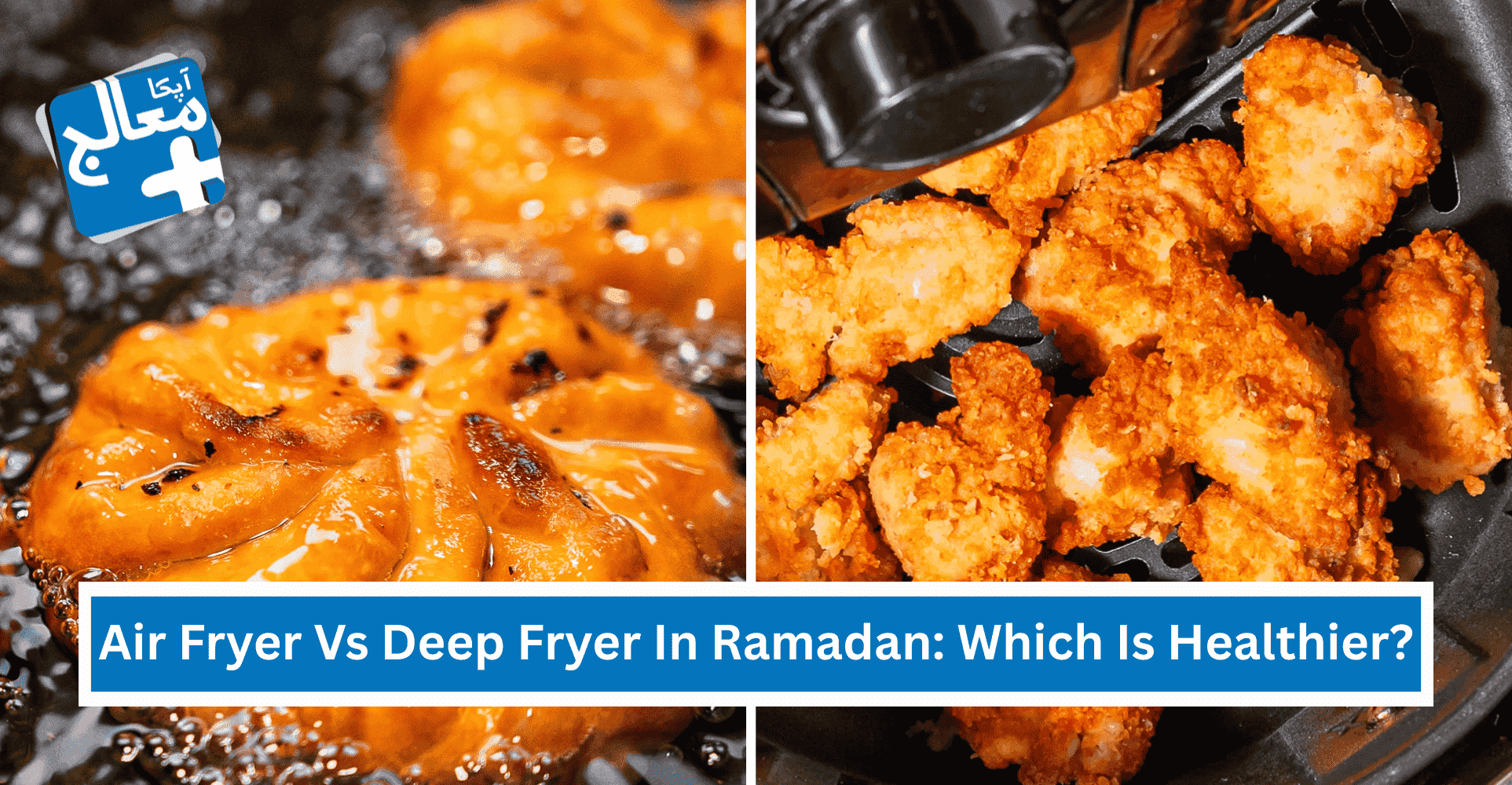
Ramadan changes how and when we eat. After long fasting hours, the body craves quick energy, comfort, and flavor. That is why fried foods like samosas, pakoras, fries, and chicken rolls dominate iftar tables across South Asia and the Middle East. But here is the real question many people now ask:
Is an air fryer actually healthier than a deep fryer during Ramadan, or is it just hype?
This guide breaks down the science, nutrition, real-life practicality, and cultural context of both cooking methods. By the end, you will know exactly which option aligns with your health goals without sacrificing the joy of Ramadan food.
What Is an Air Fryer vs a Deep Fryer?
What is an air fryer?
An air fryer cooks food using rapid hot air circulation and minimal oil, producing a crispy texture with significantly less fat than traditional frying.
What is a deep fryer?
A deep fryer cooks food by immersing it in hot oil, resulting in a crispy exterior but higher fat and calorie content due to oil absorption.
Why This Comparison Matters More in Ramadan
During Ramadan, your eating pattern changes dramatically:
-
Long fasting hours slow metabolism
-
Large meals at iftar can spike blood sugar
-
Heavy foods can cause bloating, fatigue, and sluggishness during taraweeh
Fried foods are not just a preference. They are part of tradition. But excessive oil intake during fasting cycles can lead to:
-
Digestive discomfort
-
Weight gain
-
Increased cholesterol levels
-
Reduced energy levels the next day
This is why choosing between an air fryer and a deep fryer is not just about convenience. It is about how your body performs during fasting.
Air Fryer vs Deep Fryer: Nutritional Comparison
Here is a clear breakdown of how both methods affect your food.
|
Factor |
Air Fryer |
Deep Fryer |
|
Oil usage |
70% to 90% less |
High |
|
Calories |
Lower |
Higher |
|
Fat content |
Significantly reduced |
High saturated and trans fats |
|
Texture |
Crispy but lighter |
Rich, crunchy, heavier |
|
Cooking time |
Moderate |
Fast |
|
Nutrient retention |
Better |
Reduced due to oil exposure |
|
Digestibility |
Easier |
Heavier on stomach |
What the research says
-
A study published in the Journal of Food Science found that air frying reduces fat content by up to 75 percent compared to deep frying.
-
The American Heart Association recommends limiting deep-fried foods due to their link with heart disease and obesity.
-
Research from Harvard T.H. Chan School of Public Health highlights that repeated use of frying oil increases harmful compounds like aldehydes.
How Cooking Method Affects Your Body During Fasting
1. Energy Levels
After fasting, your body needs stable energy, not a sudden spike and crash.
-
Deep-fried foods cause rapid blood sugar spikes followed by crashes
-
Air-fried foods provide more stable energy due to lower fat load
2. Digestion
Heavy fried foods sit longer in the stomach.
-
Deep frying often leads to bloating and indigestion
-
Air frying is lighter and easier to digest
3. Hydration
Oil-heavy meals can increase thirst.
-
Deep-fried foods may worsen dehydration during fasting hours
-
Air-fried foods generally reduce this effect
Oil Absorption: The Biggest Health Difference
Why deep frying adds so many calories
When food is submerged in oil:
-
Water inside food evaporates
-
Oil fills the empty spaces
-
The longer the frying time, the more oil absorbed
For example:
-
A deep-fried samosa can absorb 10 to 15 grams of oil
-
An air-fried samosa may use only 1 to 2 grams
This difference adds up quickly during Ramadan.
Are Air Fryers Actually Healthy?
Air fryers are healthier, but not automatically “healthy.”
Benefits
-
Lower calorie intake
-
Reduced fat consumption
-
Less risk of harmful compounds from overheated oil
-
Easier portion control
Limitations
-
Overeating air-fried foods still leads to weight gain
-
Processed frozen foods remain unhealthy regardless of cooking method
-
Texture is not identical to deep frying
Bottom line:
Air fryers improve the health profile of fried foods but do not turn them into health foods.
The Problem with Deep Frying in Ramadan
Deep frying becomes more problematic during Ramadan for specific reasons.
1. Reused oil
Many households reuse oil multiple times.
-
This creates oxidized fats
-
Produces harmful compounds linked to inflammation
2. High-temperature cooking
Deep frying often exceeds safe oil temperatures, leading to:
-
Formation of acrylamide, a potentially harmful compound
-
Breakdown of nutrients
3. Overconsumption
Fried snacks are easy to overeat at iftar.
Taste and Texture: Does Air Frying Compromise Flavor?
This is where most people hesitate.
Deep fryer advantages
-
Rich, indulgent flavor
-
Perfect crunch
-
Authentic traditional taste
Air fryer advantages
-
Crispy exterior with less grease
-
Cleaner taste
-
Better seasoning absorption
Real-world insight
Most people notice a difference in the first few uses of an air fryer. However, after adjusting recipes and cooking times, the gap becomes much smaller.
Best Foods to Cook in an Air Fryer During Ramadan
Air fryers perform especially well with these popular iftar items:
Snacks
-
Samosas
-
Spring rolls
-
Pakoras
-
Chicken nuggets
Main dishes
-
Grilled chicken
-
Fish fillets
-
Kebabs
-
Potato wedges
Tips for best results
-
Lightly brush or spray oil
-
Avoid overcrowding the basket
-
Preheat for even cooking
-
Flip food halfway
When Deep Frying Still Makes Sense
Despite the health concerns, deep frying has its place.
Situations where deep frying works better
-
Large family gatherings
-
Traditional dishes requiring immersion frying
-
Special occasions like Eid
How to make it safer
-
Use fresh oil each time
-
Choose oils with high smoke points such as sunflower or canola
-
Avoid overheating oil
-
Drain excess oil using paper towels
Cost and Convenience Comparison
Air fryer
-
Higher upfront cost
-
Lower oil expenses over time
-
Easy cleanup
-
Safer for home use
Deep fryer
-
Lower initial cost
-
Continuous oil expense
-
Messier cleanup
-
Higher risk of burns
Weight Loss and Fitness Perspective
For those trying to lose weight during Ramadan:
Air fryer advantages
-
Lower calorie meals
-
Better portion control
-
Supports fat loss goals
Deep fryer drawbacks
-
Hidden calories from oil
-
Harder to track intake
-
Increased fat storage
A practical example:
Switching from deep-fried pakoras to air-fried versions can save hundreds of calories per iftar.
Common Misconceptions
“Air-fried food is completely oil-free”
Not always. Many recipes still use small amounts of oil for texture.
“Deep frying is always unhealthy”
Occasional deep frying with fresh oil is acceptable. The problem is frequency and portion size.
“Air fryers don’t taste good”
Taste depends heavily on seasoning, technique, and expectations. With practice, results can be very satisfying.
People Also Ask: Key Questions Answered
Is air fryer better than deep fryer for Ramadan?
Yes. Air fryers are generally better for Ramadan because they reduce oil intake, improve digestion, and help maintain energy levels during fasting.
Does air frying reduce calories?
Yes. Air frying significantly lowers calorie content by using little to no oil compared to deep frying.
Can air fryers replace deep fryers completely?
Not entirely. Some traditional recipes still benefit from deep frying, but air fryers can replace most everyday uses.
Is air-fried food good for weight loss?
Yes, when combined with portion control and balanced meals.
Practical Ramadan Strategy: Balanced Approach
Instead of choosing one method exclusively, use both strategically.
Smart approach
-
Use air fryer for daily iftar meals
-
Reserve deep frying for occasional treats
-
Focus on portion control
-
Include protein, fiber, and hydration
Ideal iftar plate
-
Dates and water
-
Grilled or air-fried protein
-
Light fried snack (air-fried preferred)
-
Salad or fruit
-
Hydrating drinks
Expert Insight: What Nutritionists Recommend
Most dietitians suggest limiting fried foods during Ramadan.
According to guidance aligned with global health bodies:
-
Fried foods should be occasional, not daily
-
Cooking methods like baking, grilling, and air frying are preferred
-
Balanced meals improve fasting performance
Need Healthcare Assistance?
Our expert healthcare professionals, including the best nutritionists and general physicians near you in Pakistan, are here to support you. If you have specific health concerns or queries, Apka Muaalij encourages you to consult your qualified specialists. Book an online video consultation or call 042-32377001.
Frequently Asked Questions (FAQs)
Is air fryer food completely healthy?
Air fryer food is healthier than deep-fried food but not automatically healthy. Nutritional value still depends on ingredients, portion size, and overall diet.
Does air frying remove all fat from food?
No. Air frying reduces added fat but does not remove natural fats already present in food.
Which oil is best for deep frying in Ramadan?
Oils with high smoke points like sunflower, canola, or peanut oil are better choices. Avoid reusing oil multiple times.
Can air fryers cook traditional Ramadan snacks properly?
Yes. With slight adjustments in temperature and timing, air fryers can replicate most traditional snacks effectively.
Is deep frying once a week harmful?
Occasional deep frying is generally fine if fresh oil is used and portions are controlled.
Do air fryers destroy nutrients?
No. In fact, air frying often preserves more nutrients compared to deep frying due to lower oil exposure.
Why do I feel tired after eating fried food at iftar?
Heavy, oily foods slow digestion and can cause energy crashes, leading to fatigue.
Can air fryer help with cholesterol control?
Yes. Reduced oil consumption can help lower intake of unhealthy fats, supporting better cholesterol levels.
Is air frying suitable for large families?
It can be, but batch cooking may be required since most air fryers have limited capacity.
Are frozen foods healthier in an air fryer?
They are slightly healthier compared to deep frying, but processed foods still contain additives and should be consumed in moderation.
Disclaimer: This article is for informational purposes only and does not replace professional medical or dietary advice. Individual nutritional needs vary, especially for people with conditions such as diabetes, heart disease, or digestive disorders. Consult a qualified healthcare professional or registered dietitian before making significant dietary changes during Ramadan.

Find & Book the best "Nutritionist" near you
Book Appointment