

Sunflower Seeds: 16 Health Benefits, Nutrition, Uses, How to Eat
Sunflower seeds are small, unassuming, and often overlooked. Yet beneath their striped shells lies a dense concentration of nutrients that support heart health, brain function, immunity, and overall vitality. Consumed for centuries across cultures, these seeds are now recognized by nutritionists and medical researchers as a functional food that offers more than simple nourishment.
Whether sprinkled over salads, blended into spreads, or eaten as a snack, sunflower seeds provide a powerful combination of healthy fats, plant protein, vitamins, and antioxidants. This guide explores their nutrition, proven health benefits, practical uses, and the best ways to include them in your daily routine.
Key Takeaways
-
Sunflower seeds are a nutrient-dense superfood rich in vitamin E, healthy fats, and essential minerals.
-
They support heart health, brain function, immunity, skin health, and energy levels.
-
Their versatility makes them easy to add to everyday meals and snacks.
-
Moderation and choosing unsalted varieties maximize their benefits.
-
Incorporating sunflower seeds into a balanced diet contributes to long-term wellness.
What Are Sunflower Seeds?
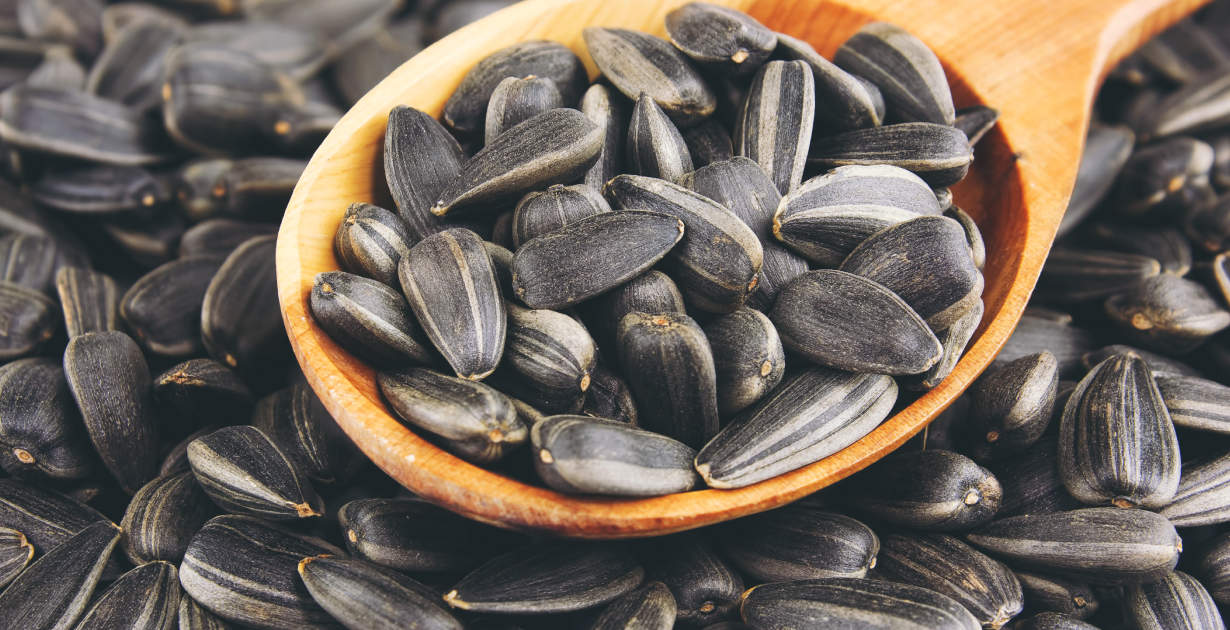
Sunflower seeds come from the large flower heads of the sunflower plant (Helianthus annuus). Each flower can produce hundreds of edible seeds encased in black-and-white striped shells.
There are two main types:
-
Oilseed varieties: Used to produce sunflower oil
-
Non-oilseed varieties: Larger seeds commonly eaten as snacks
Shelled seeds, often labeled as sunflower kernels, are more convenient and widely used in cooking.
Nutrition Profile of Sunflower Seeds
Sunflower seeds are nutrient-dense and energy-rich. A 28-gram serving (about one ounce) offers a balance of macronutrients and essential micronutrients.
Nutritional Breakdown (per 28 g serving)
|
Nutrient |
Amount |
Health Contribution |
|
Calories |
~165 kcal |
Sustained energy |
|
Protein |
5–6 g |
Muscle repair and growth |
|
Healthy fats |
14 g |
Heart and brain health |
|
Fiber |
2–3 g |
Digestive support |
|
Vitamin E |
~7.4 mg |
Antioxidant protection |
|
Magnesium |
~37 mg |
Nerve and muscle function |
|
Selenium |
~15 mcg |
Immune support |
|
Zinc |
~1.5 mg |
Skin and immune health |
|
Iron |
~1 mg |
Oxygen transport |
According to research published in the Journal of Agricultural and Food Chemistry, sunflower seeds are among the richest natural sources of vitamin E, a key antioxidant that protects cells from oxidative damage.
16 Evidence-Based Health Benefits of Sunflower Seeds
1. Supports Heart Health
Sunflower seeds are rich in unsaturated fats, phytosterols, and magnesium, all linked to cardiovascular protection. These nutrients help reduce LDL cholesterol and support healthy blood pressure.
The American Heart Association notes that replacing saturated fats with unsaturated fats can lower heart disease risk.
2. Powerful Antioxidant Protection
Vitamin E acts as a fat-soluble antioxidant, protecting cell membranes from oxidative stress. This protection may reduce the risk of chronic diseases such as heart disease and certain cancers.
3. Helps Reduce Inflammation
Sunflower seeds contain flavonoids and vitamin E, both associated with reduced inflammation markers. Chronic inflammation is linked to conditions such as diabetes and arthritis.
4. Supports Brain Function
Magnesium and vitamin B6 support neurotransmitter activity and cognitive health. Adequate magnesium intake has been associated with improved mood and reduced risk of depression.
5. Strengthens the Immune System
Selenium and zinc play essential roles in immune response. Selenium supports antioxidant defenses and helps the body fight infections.
6. Promotes Healthy Skin
Vitamin E protects skin cells from UV damage and environmental stress. Many dermatologists emphasize vitamin E's role in maintaining skin elasticity and hydration.
7. Aids in Blood Sugar Control
Fiber, protein, and healthy fats slow glucose absorption, helping stabilize blood sugar levels. This makes sunflower seeds a suitable snack for individuals managing insulin sensitivity.
8. Supports Bone Health
Sunflower seeds provide magnesium, phosphorus, and copper, minerals essential for bone density and strength.
9. Helps Maintain a Healthy Weight
Despite being calorie-dense, sunflower seeds promote satiety due to their protein, fat, and fiber content. Feeling full longer can help reduce overeating.
10. Enhances Digestive Health
Dietary fiber supports gut health by promoting regular bowel movements and feeding beneficial gut bacteria.
11. Supports Thyroid Function
Selenium is critical for thyroid hormone metabolism. Adequate intake supports balanced thyroid function.
12. May Reduce Cancer Risk
Antioxidants such as vitamin E and selenium help neutralize free radicals, potentially reducing the risk of cellular mutations.
A review in the Nutrients Journal highlights selenium’s role in DNA repair and cancer prevention pathways.
13. Improves Energy Levels
B vitamins, protein, and healthy fats provide sustained energy without rapid blood sugar spikes.
14. Supports Muscle Function
Magnesium helps regulate muscle contraction and relaxation, reducing cramps and fatigue.
15. Beneficial for Pregnancy Nutrition
Folate, iron, and healthy fats support fetal development. Pregnant women benefit from moderate consumption as part of a balanced diet.
16. Promotes Hormonal Balance
Healthy fats support hormone production and regulation, particularly in women’s health.
How to Eat Sunflower Seeds
Sunflower seeds are versatile and easy to incorporate into daily meals. Common ways to enjoy them:
-
Eat roasted seeds as a snack
-
Sprinkle kernels over salads and soups
-
Add to oatmeal or yogurt
-
Blend into smoothies for extra protein
-
Use sunflower seed butter as a spread
-
Mix into homemade granola or energy bars
Quick Tip: Choose unsalted and dry-roasted seeds to avoid excess sodium and unhealthy oils.
Culinary Uses Around the World
Sunflower seeds are used in diverse cuisines:
|
Region |
Traditional Use |
|
Eastern Europe |
Added to breads and pastries |
|
Middle East |
Used in seed mixes and desserts |
|
North America |
Snack foods and sunflower butter |
|
Asia |
Garnish for rice and stir-fries |
Their mild, nutty flavor complements both sweet and savory dishes.
Sunflower Seed Butter: A Nut-Free Alternative
Sunflower seed butter is a popular alternative to peanut butter, especially for individuals with nut allergies. It offers similar protein content and healthy fats.
Benefits
-
School-safe and allergy-friendly
-
Rich in vitamin E
-
Suitable for vegan diets
Potential Side Effects and Precautions
While sunflower seeds are nutritious, moderation is important.
Possible Concerns
-
High calorie density may contribute to weight gain if overeaten
-
Excess sodium in salted varieties can affect blood pressure
-
Cadmium accumulation from soil may pose risks with very high intake
The World Health Organization notes that varied diets reduce heavy metal exposure risks.
Recommended Daily Intake
A healthy serving size is about 28–30 grams per day. This portion provides nutritional benefits without excessive calories.
Choosing and Storing Sunflower Seeds
Buying Tips
-
Look for fresh, unsalted seeds
-
Avoid a rancid or stale smell
-
Choose organic if possible
Storage
-
Store in an airtight container
-
Keep in a cool, dark place
-
Refrigerate for extended shelf life
Proper storage prevents oxidation of healthy fats.
Sunflower Seeds vs Other Seeds
|
Seed |
Key Benefit |
Comparison |
|
Sunflower |
Vitamin E |
Best antioxidant support |
|
Chia |
Omega-3 |
Better for heart fats |
|
Pumpkin |
Zinc |
Strong immune support |
|
Flax |
Lignans |
Hormonal balance |
Sunflower seeds stand out for their vitamin E content and versatility.
Need Healthcare Assistance?
Our expert healthcare professionals, including the best nutritionists near you in Pakistan, are here to support you. If you have specific health concerns or queries, Apka Muaalij encourages you to consult your qualified specialists. Book an online video consultation or call 042-32377001.
FAQs About Sunflower Seeds
Are sunflower seeds good for daily consumption?
Yes, a moderate daily portion supports heart health, immunity, and energy levels.
Can sunflower seeds help with weight loss?
They promote fullness, which may reduce overeating when consumed in controlled portions.
Are sunflower seeds safe during pregnancy?
Yes, in moderation. They provide folate, healthy fats, and minerals beneficial for fetal development.
Do sunflower seeds improve skin health?
Vitamin E helps protect skin from oxidative damage and supports hydration.
Are roasted sunflower seeds healthy?
Dry-roasted seeds are healthy. Avoid heavily salted or oil-roasted varieties.
Can people with diabetes eat sunflower seeds?
Yes. Their protein, fiber, and fats help stabilize blood sugar levels.
Do sunflower seeds contain omega-3 fatty acids?
They mainly contain omega-6 fatty acids, which are beneficial when balanced with omega-3 intake.
How many sunflower seeds should I eat per day?
About one ounce (28–30 grams) is a healthy daily serving.
Are sunflower seeds good for heart health?
Yes. Unsaturated fats and phytosterols support healthy cholesterol levels.
Can sunflower seeds cause allergies?
Seed allergies are rare but possible. Individuals with sensitivities should consult a healthcare professional.
Are sunflower seeds keto-friendly?
Yes. They are low in net carbs and high in healthy fats.
Do sunflower seeds improve brain health?
Magnesium and vitamin B6 support nerve function and cognitive health.
Can sunflower seeds help lower cholesterol?
Phytosterols and healthy fats may help reduce LDL cholesterol levels.
Are sunflower seeds good for children?
Yes. They provide nutrients essential for growth and immunity. Serve shelled seeds to prevent choking.
What is the healthiest way to eat sunflower seeds?
Raw or dry-roasted, unsalted seeds offer the most health benefits.
Disclaimer: This article is for educational and informational purposes only and does not replace professional medical advice. Always consult a qualified healthcare provider or registered dietitian before making significant dietary changes, especially if you have existing health conditions, allergies, or are pregnant or breastfeeding.


Ifra Sarwar
Ifra Sarwar holds a degree in Dietetics and Nutritional Sciences from the University of Faisalabad and West Virginia University. With experience as a hospital nutritionist and at Nutrifactor, she blends clinical expertise with evidence-based insights. Passionate about sharing accurate health information, she writes to educate and empower. Outside of work, Ifra enjoys listening to true crime podcasts and stand-up comedy.