

14 Benefits of Chamomile Tea, Types, Effects, Consumption & More
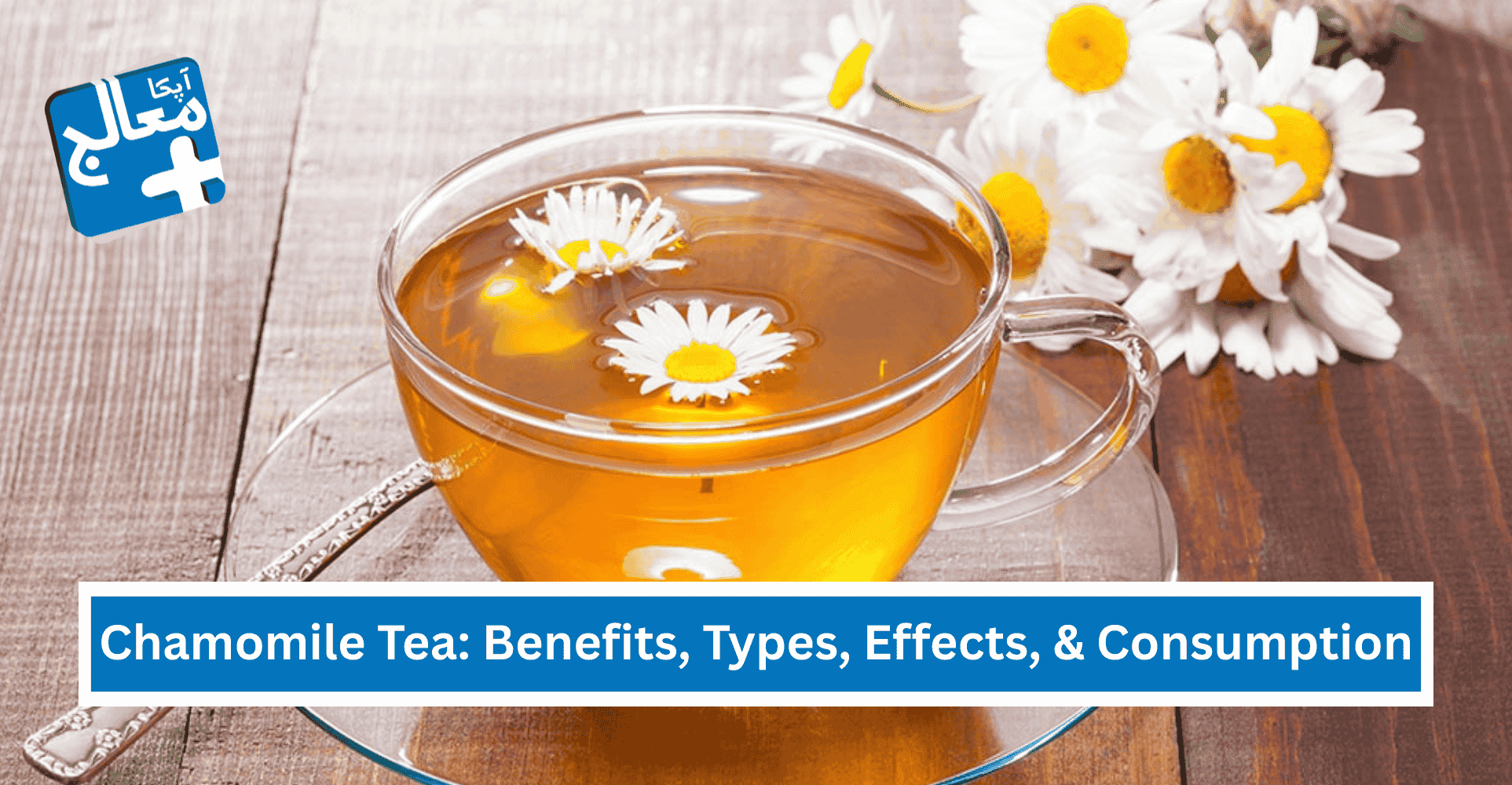
Chamomile tea has been cherished for centuries as a calming herbal infusion that nurtures both body and mind. Made from dried chamomile flowers, this gentle tea is widely known for promoting sleep and relaxation. Modern research now supports many of its traditional uses, highlighting its antioxidant, anti-inflammatory, and digestive benefits.
Beyond its soothing aroma and delicate taste, chamomile tea offers a wide range of wellness advantages. This blog explores its types, nutritional properties, scientifically supported health benefits, safe consumption practices, and frequently asked questions.
Key Takeaways
-
Chamomile tea is a caffeine-free herbal infusion known for promoting relaxation, sleep, and digestive health.
-
Its antioxidants and anti-inflammatory compounds support immunity, heart health, and skin wellness.
-
Regular consumption may help manage anxiety, blood sugar, and menstrual discomfort.
-
Choosing high-quality chamomile and consuming it in moderation ensures safe and effective benefits.
-
This gentle herbal tea offers a natural path to balance, calm, and holistic well-being.
What Is Chamomile Tea?

Chamomile tea is an herbal infusion prepared from the dried flowers of plants in the Matricaria and Chamaemelum genera. Unlike true teas, it is naturally caffeine-free.
The two most common varieties used for tea include:
-
German chamomile (Matricaria chamomilla)
-
Roman chamomile (Chamaemelum nobile)
Both types contain beneficial compounds such as apigenin, flavonoids, and essential oils that contribute to their therapeutic properties.
Nutritional and Bioactive Profile
Chamomile tea contains minimal calories but provides powerful plant compounds.
|
Compound |
Function |
Health Impact |
|
Apigenin |
Flavonoid |
Promotes relaxation and sleep |
|
Bisabolol |
Essential oil |
Anti-inflammatory effects |
|
Chamazulene |
Antioxidant |
Reduces inflammation |
|
Polyphenols |
Antioxidants |
Protect cells from damage |
A study published in the Journal of Agricultural and Food Chemistry highlights chamomile’s high antioxidant activity, particularly from apigenin and polyphenols.
Types of Chamomile Tea
1. German Chamomile
-
Most widely used medicinal variety
-
Stronger anti-inflammatory properties
-
Common in herbal supplements
2. Roman Chamomile
-
Milder flavor
-
Popular in aromatherapy and relaxation blends
-
Often used for stress relief
3. Egyptian Chamomile
-
Premium variety grown in North Africa
-
Sweet, apple-like aroma
-
Frequently used in high-quality teas
14 Science-Backed Health Benefits of Chamomile Tea

1. Promotes Better Sleep
Chamomile contains apigenin, a flavonoid that binds to brain receptors associated with sleepiness.
A clinical trial in BMC Complementary Medicine and Therapies found that chamomile extract improved sleep quality in older adults.
2. Reduces Anxiety and Stress
Chamomile has mild sedative effects that help calm the nervous system. Regular consumption may reduce symptoms of generalized anxiety.
Researchers at the University of Pennsylvania reported that chamomile extract may reduce moderate anxiety symptoms.
3. Supports Digestive Health
Chamomile helps relax digestive muscles and reduce bloating, gas, and indigestion.
Traditional use and modern studies suggest its effectiveness in soothing gastrointestinal discomfort.
4. Relieves Menstrual Pain
Chamomile’s anti-inflammatory and antispasmodic properties may reduce menstrual cramps.
A study in the Journal of Obstetrics and Gynaecology Research found that chamomile tea was effective in reducing menstrual pain intensity.
5. Boosts Immune Function
Chamomile contains antimicrobial compounds that may help the body resist infections.
Research published in Molecular Medicine Reports notes chamomile’s potential antibacterial activity.
6. Supports Heart Health
Antioxidants in chamomile help reduce oxidative stress linked to cardiovascular disease.
Flavonoids have been associated with improved heart health markers in epidemiological studies.
7. Helps Manage Blood Sugar Levels
Some studies suggest chamomile may help regulate blood glucose levels.
A study in the Nutrition Journal found that chamomile tea improved glycemic control in people with type 2 diabetes.
8. Reduces Inflammation
Chamomile’s anti-inflammatory compounds help reduce swelling and pain associated with chronic conditions.
This effect may benefit individuals with arthritis and inflammatory disorders.
9. Promotes Skin Health
Chamomile’s antioxidants support skin healing and reduce irritation.
Topical and dietary use has been linked to improved skin conditions such as eczema.
10. Supports Respiratory Health
Warm chamomile tea may soothe throat irritation and mild respiratory discomfort.
Its anti-inflammatory effects may help ease symptoms of colds.
11. May Reduce Risk of Certain Cancers
Apigenin has been studied for its potential role in inhibiting cancer cell growth.
Laboratory research suggests chamomile compounds may support cellular protection.
12. Improves Bone Health
Some preliminary studies suggest chamomile may support bone density by influencing estrogen activity.
This may be particularly beneficial for postmenopausal women.
13. Aids in Relaxation and Muscle Relief
Chamomile helps relax muscles and reduce tension headaches due to its mild sedative properties.
14. Supports Liver Health
Antioxidants in chamomile may protect the liver from oxidative stress and toxin damage.
Animal studies have shown hepatoprotective effects, though more human research is needed.
How to Prepare Chamomile Tea Properly

Step-by-Step Guide
-
Boil fresh water and allow it to cool slightly.
-
Add 1–2 teaspoons of dried chamomile flowers or one tea bag.
-
Pour hot water over the flowers.
-
Steep for 5–10 minutes.
-
Strain and enjoy.
Tips for Enhanced Benefits
-
Add honey for soothing effects
-
Combine with lemon for vitamin C
-
Drink before bedtime for relaxation
Best Time to Drink Chamomile Tea
|
Time |
Benefits |
|
Before bedtime |
Improves sleep quality |
|
After meals |
Supports digestion |
|
During stress |
Promotes relaxation |
Recommended Daily Intake
Most experts recommend 1–3 cups per day for general wellness.
Excess consumption may cause drowsiness or allergic reactions in sensitive individuals.
Potential Side Effects and Precautions
Chamomile tea is generally safe, but certain individuals should exercise caution.
Who Should Be Careful
-
People allergic to ragweed or daisies
-
Individuals on blood thinners
-
Pregnant women should consult a healthcare provider
-
Those with severe pollen allergies
The National Center for Complementary and Integrative Health advises caution for individuals with plant allergies.
Chamomile Tea vs Green Tea
|
Feature |
Chamomile Tea |
Green Tea |
|
Caffeine |
None |
Contains caffeine |
|
Primary benefit |
Relaxation |
Metabolism support |
|
Antioxidants |
High |
High |
|
Best time |
Evening |
Morning |
Chamomile is ideal for relaxation, while green tea supports alertness and metabolism.
Need Healthcare Assistance?
Our expert healthcare professionals, including the best nutritionists and general physicians near you in Pakistan, are here to support you. If you have specific health concerns or queries, Apka Muaalij encourages you to consult your qualified specialists. Book an online video consultation or call 042-32377001.
Frequently Asked Questions (FAQs)
Is chamomile tea safe to drink every day?
Yes, moderate daily consumption is safe for most people.
Can chamomile tea help with insomnia?
Yes, its apigenin content promotes relaxation and sleep.
Does chamomile tea reduce anxiety?
Studies suggest it may help reduce mild to moderate anxiety symptoms.
Is chamomile tea good for digestion?
Yes, it helps relieve bloating and indigestion.
Can pregnant women drink chamomile tea?
They should consult a healthcare provider before consumption.
Does chamomile tea lower blood sugar?
Some research indicates improved glycemic control.
Can chamomile tea cause allergies?
Yes, especially in individuals allergic to ragweed.
How long before bed should I drink chamomile tea?
About 30–45 minutes before bedtime.
Is chamomile tea caffeine-free?
Yes, it contains no caffeine.
Can chamomile tea help with skin health?
Its antioxidants support skin healing and reduce irritation.
Does chamomile tea help with menstrual cramps?
Yes, its anti-inflammatory properties may reduce pain.
Can children drink chamomile tea?
Yes, in small amounts, but consult a pediatrician for infants.
Does chamomile tea support heart health?
Antioxidants may contribute to cardiovascular wellness.
Can chamomile tea help with colds?
It may soothe throat irritation and support immune function.
What is the best type of chamomile tea?
German chamomile is most commonly used for medicinal benefits.
Disclaimer: This article is for informational purposes only and does not replace professional medical advice. Individuals with medical conditions, allergies, or those taking medications should consult a qualified healthcare provider before using chamomile tea for therapeutic purposes.

Find & Book the best "Nutritionist" near you
Book Appointment
Ifra Sarwar
Dr. Ifra Sarwar is a highly experienced specialist based in Lahore, Pakistan with over several years of clinical expertise. Specializing in evidence-based and patient-centered care, they provides advanced treatment tailored to individual needs. Currently available on Apka Muaalij, appointments can be booked at 042-32377001.