12 Effective Natural Home Remedies For Shingles
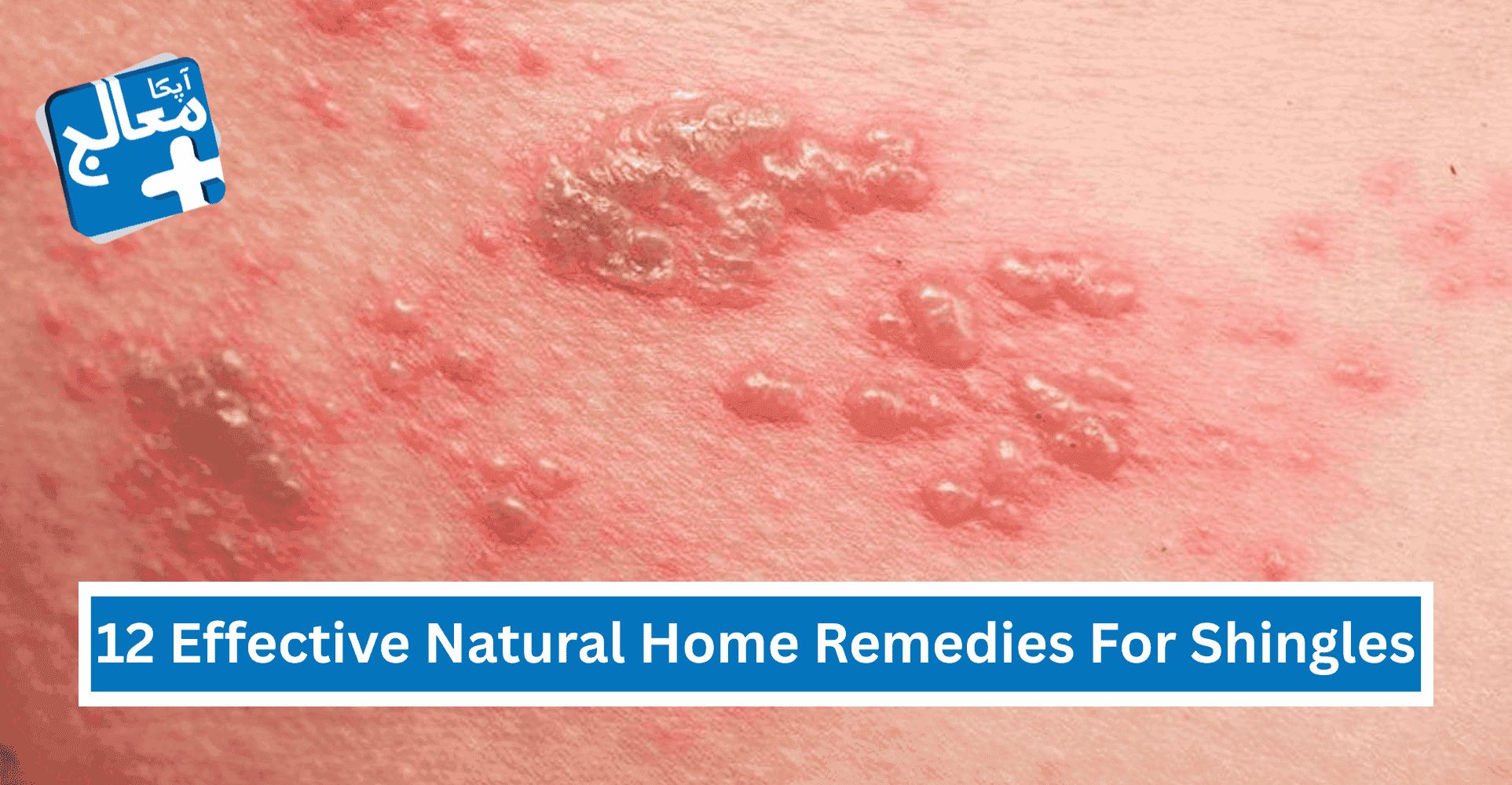
Shingles can be painful, frustrating, and emotionally draining. The burning rash, nerve pain, itching, and fatigue can make everyday activities uncomfortable. While antiviral medications prescribed by doctors are the primary treatment, many people also look for natural home remedies for shingles to ease symptoms, calm irritated skin, and support faster healing.
This blog explores 12 effective natural remedies supported by research and clinical insights that can help manage shingles symptoms safely at home. You will also learn why shingles occurs, how these remedies work, when to seek medical care, and how to avoid complications such as postherpetic neuralgia.
If used correctly alongside medical treatment, these natural approaches can reduce discomfort, soothe inflammation, and support skin recovery.
Key Takeaways
-
Shingles is caused by reactivation of the varicella-zoster virus, the same virus that causes chickenpox.
-
Natural remedies cannot cure shingles, but can reduce itching, inflammation, and pain.
-
Helpful options include oatmeal baths, aloe vera, honey, coconut oil, lemon balm, and cool compresses.
-
Early antiviral treatment significantly reduces complications such as postherpetic neuralgia.
-
Supportive lifestyle habits like rest, hydration, and stress reduction help the immune system recover.
-
Always seek medical advice if symptoms are severe or affect the eyes.
What Is Shingles?
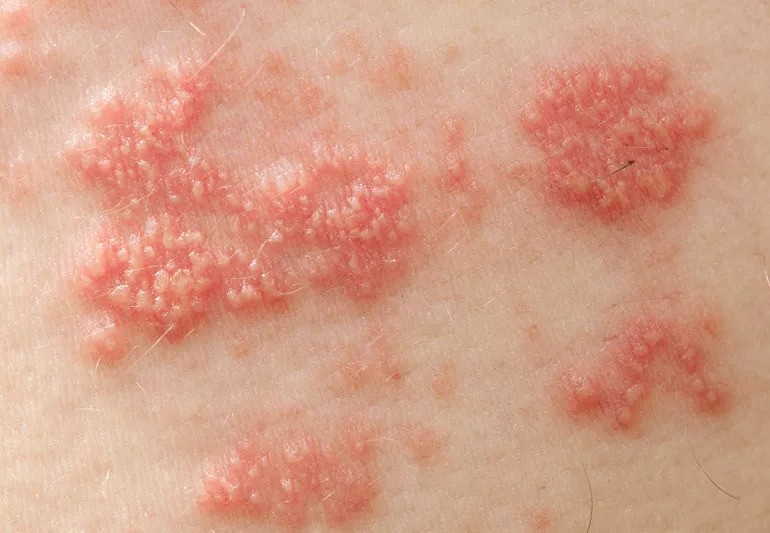
Shingles (Herpes Zoster) is a viral infection that causes a painful rash and blistering skin eruption. It is caused by the varicella-zoster virus, the same virus responsible for chickenpox.
After someone recovers from chickenpox, the virus remains dormant in nerve tissue near the spinal cord or brain. Years later, it can reactivate as shingles.
According to the Centers for Disease Control and Prevention (CDC), about 1 in 3 people will develop shingles during their lifetime.
Common Symptoms
Symptoms often appear on one side of the body or face and may include:
-
Burning or tingling sensation
-
Red rash that develops into fluid-filled blisters
-
Severe nerve pain
-
Itching
-
Sensitivity to touch
-
Fever and fatigue
-
Headache
In most cases, shingles lasts 2–4 weeks, but nerve pain may persist longer.
Why Natural Remedies Can Help
Natural remedies cannot kill the virus itself. However, they can:
-
Reduce inflammation
-
Soothe irritated skin
-
Relieve itching and burning
-
Support immune function
-
Promote faster skin healing
-
Reduce risk of scarring
Dermatologists often recommend supportive home care alongside antiviral medications such as acyclovir or valacyclovir.
Quick Comparison of Natural Remedies for Shingles
|
Remedy |
Main Benefit |
How It Helps |
|
Cool Compress |
Pain relief |
Reduces inflammation and burning |
|
Oatmeal Bath |
Itch relief |
Soothes irritated skin |
|
Aloe Vera |
Skin healing |
Anti-inflammatory and moisturizing |
|
Honey |
Antiviral support |
Helps prevent infection |
|
Apple Cider Vinegar |
Itch reduction |
Mild antiseptic properties |
|
Coconut Oil |
Moisturizing |
Prevents dryness and irritation |
|
Baking Soda Paste |
Rash soothing |
Helps dry blisters |
|
Garlic |
Immune support |
Natural antiviral compounds |
|
Lemon Balm |
Viral inhibition |
Shown to reduce herpes virus activity |
|
Colloidal Oatmeal Lotion |
Skin barrier repair |
Calms inflammation |
|
Vitamin E Oil |
Skin recovery |
Helps reduce scarring |
|
Capsaicin Cream |
Nerve pain relief |
Reduces pain signaling |
12 Natural Home Remedies for Shingles
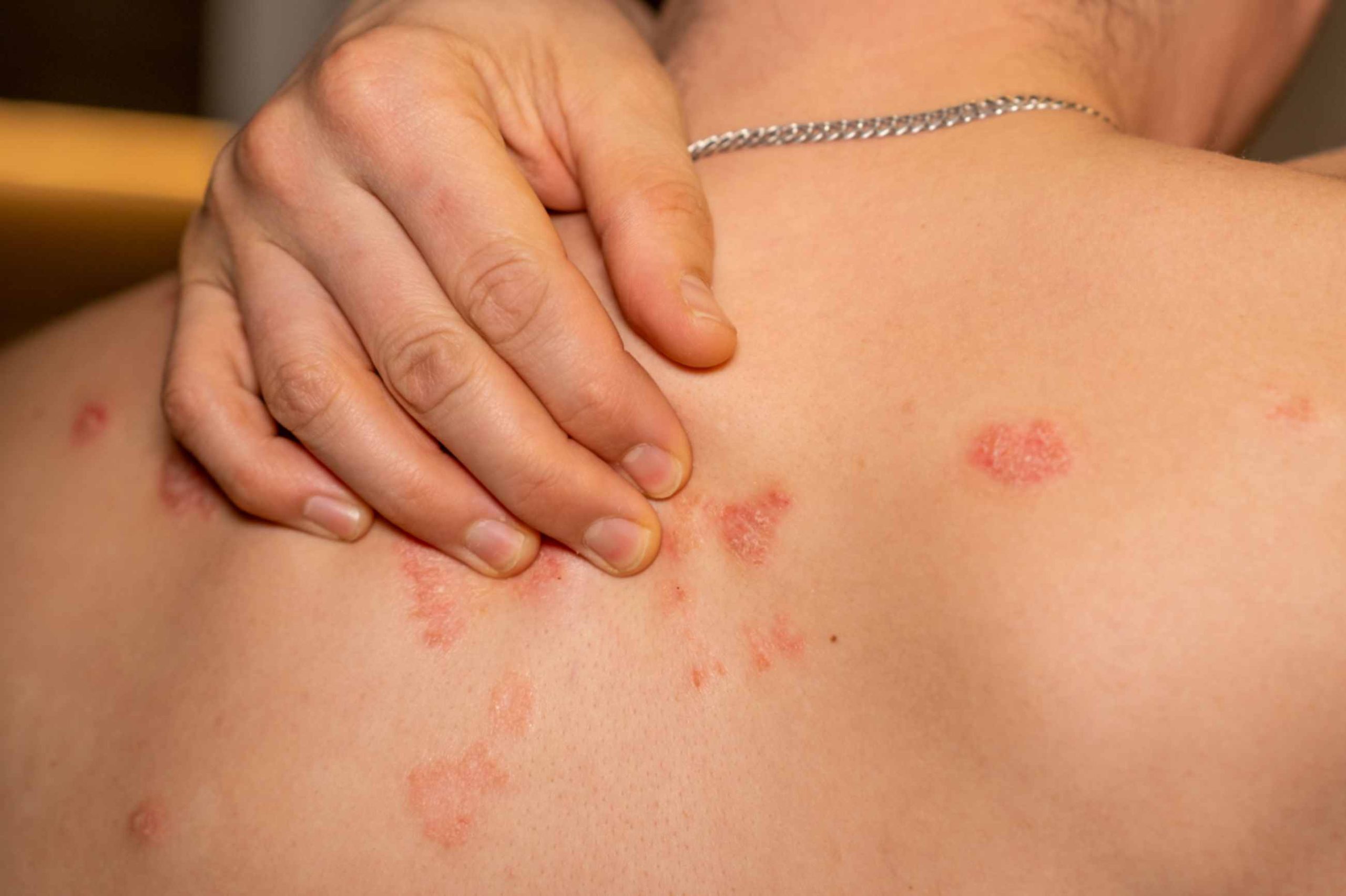
1. Cool Compress for Immediate Pain Relief
A cool compress is one of the simplest ways to calm inflamed skin during a shingles outbreak.
Cold temperature reduces inflammation and numbs irritated nerve endings.
How to Use
-
Soak a clean cloth in cool water.
-
Gently wring out excess water.
-
Apply to the affected area for 15–20 minutes.
-
Repeat several times daily.
Avoid ice directly on the skin because it can worsen irritation.
2. Oatmeal Baths to Relieve Itching
Colloidal oatmeal is widely used in dermatology for inflammatory skin conditions.
Research published in the Journal of Drugs in Dermatology shows that oatmeal contains avenanthramides, compounds that reduce inflammation and itching.
How to Use
-
Add 1–2 cups of finely ground oatmeal to a lukewarm bath.
-
Soak for 15–20 minutes.
-
Pat skin dry gently.
Avoid hot water because it can worsen the rash.
3. Aloe Vera for Skin Healing
Aloe vera gel is well known for treating burns and skin irritation. It contains anti-inflammatory compounds and promotes wound healing.
A study published in Phytomedicine found that aloe vera supports skin repair and reduces inflammation.
How to Use
-
Apply fresh aloe gel to the rash 2–3 times daily.
-
Allow it to dry naturally.
-
Rinse gently if needed.
Use pure aloe vera rather than products with added fragrance.
4. Raw Honey for Antibacterial Protection
Medical-grade honey, especially Manuka honey, has antimicrobial and wound-healing properties.
Research in the Asian Pacific Journal of Tropical Medicine shows that honey can inhibit certain viruses and bacteria.
How to Use
-
Apply a thin layer of raw honey to affected skin.
-
Cover lightly with sterile gauze.
-
Rinse after 30 minutes.
This may help prevent secondary skin infections.
5. Apple Cider Vinegar for Itching
Apple cider vinegar contains acetic acid, which has mild antiseptic and anti-inflammatory properties.
Many people report relief from itching when diluted ACV is applied to irritated skin.
How to Use
-
Mix 1 tablespoon ACV with 1 tablespoon water
-
Apply using cotton
-
Leave for 10 minutes, then rinse
Do not apply to open blisters.
6. Coconut Oil to Protect Skin
Virgin coconut oil contains lauric acid, a fatty acid with antimicrobial effects.
It also acts as a natural moisturizer, preventing dryness and cracking around healing blisters.
How to Use
Apply a thin layer 2–3 times daily after cleansing the skin.
7. Baking Soda Paste for Blisters
Baking soda helps dry oozing blisters and reduce itching.
How to Use
-
Mix 2 teaspoons of baking soda with water.
-
Create a paste.
-
Apply to rash for 10–15 minutes.
-
Rinse gently.
This remedy is especially helpful during the blister stage.
8. Garlic for Immune Support
Garlic contains allicin, a compound known for antiviral and immune-supporting properties.
Studies published in Advances in Therapy suggest garlic may help fight viral infections and support immune responses.
How to Use
-
Crush fresh garlic
-
Mix with coconut oil
-
Apply lightly for 10 minutes, then rinse
Some people prefer consuming garlic instead.
9. Lemon Balm (Melissa officinalis)
Lemon balm has shown antiviral activity against herpes viruses, including varicella-zoster.
A clinical review in Phytotherapy Research suggests topical lemon balm may reduce viral replication and speed healing.
How to Use
-
Apply lemon balm cream or extract 3–4 times daily.
10. Colloidal Oatmeal Lotion
While oatmeal baths soothe temporarily, colloidal oatmeal lotions provide longer relief.
Dermatologists recommend them for:
-
eczema
-
dermatitis
-
shingles irritation
Benefits
-
Restores skin barrier
-
Reduces redness
-
Hydrates dry skin
Apply after bathing for best results.
11. Vitamin E Oil for Skin Recovery
Vitamin E is a powerful antioxidant that supports skin repair and scar reduction.
After shingles blisters heal, vitamin E oil may help reduce discoloration or scarring.
How to Use
Apply lightly to healed skin once blisters have closed.
Do not apply to open lesions.
12. Capsaicin Cream for Nerve Pain
Capsaicin is the active compound in chili peppers.
It works by blocking pain signals in nerve endings, which can help reduce lingering nerve pain.
Clinical studies published in the Pain Medicine Journal show capsaicin can help with postherpetic neuralgia.
How to Use
-
Apply capsaicin cream 2–3 times daily.
-
Wash hands thoroughly after application.
Avoid contact with eyes or broken skin.
Additional Lifestyle Tips for Faster Recovery
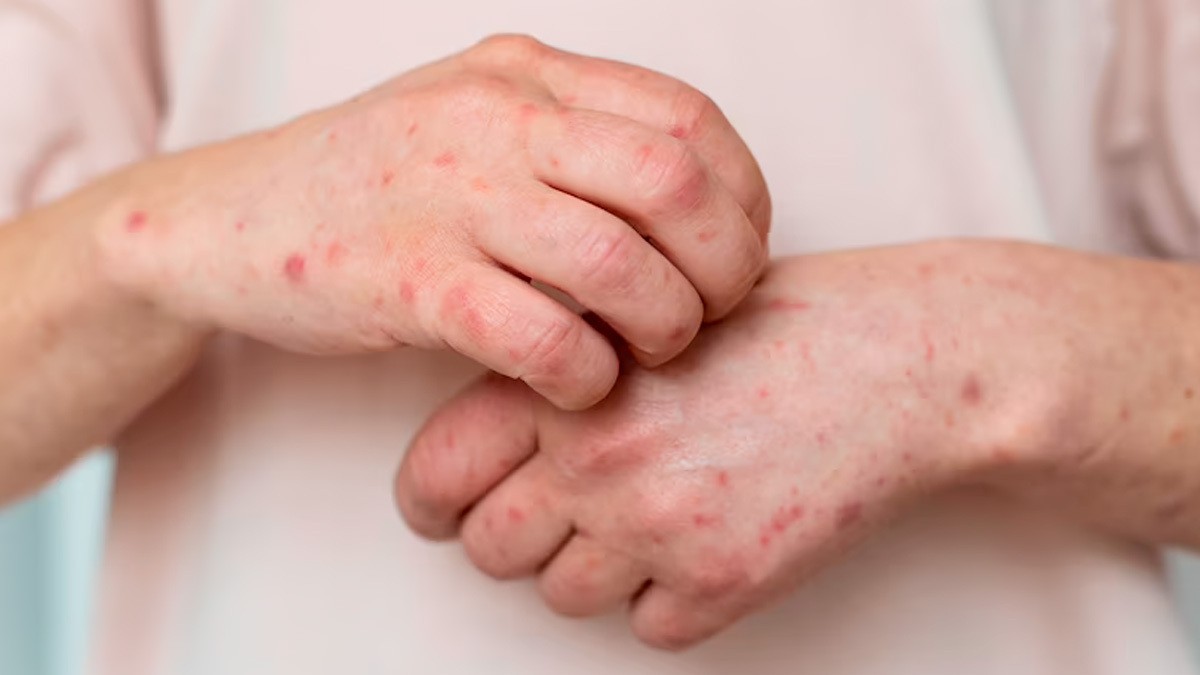
Natural remedies work best when combined with supportive care.
Key Recovery Tips
-
Get adequate rest
-
Reduce stress
-
Stay hydrated
-
Wear loose cotton clothing
-
Avoid scratching the rash
-
Keep the area clean and dry
Stress and fatigue can weaken immunity, which may prolong recovery.
When to See a Doctor
Home remedies help with symptoms, but medical treatment is essential for shingles.
You should see a doctor if:
-
Rash appears near the eyes
-
Severe pain occurs
-
Symptoms worsen
-
Fever develops
-
Rash spreads extensively
-
You are over age 50
Antiviral medications are most effective when started within 72 hours of rash onset.
Need Healthcare Assistance?
Our expert healthcare professionals, including the best dermatologists and general physicians near you in Pakistan, are here to support you. If you have specific health concerns or queries, Apka Muaalij encourages you to consult your qualified specialists. Book an online video consultation or call 042-32377001.
Frequently Asked Questions (FAQs)
What is the fastest natural remedy for shingles pain?
Cool compresses and oatmeal baths provide the quickest relief from shingles discomfort. Cool compresses reduce inflammation and numb irritated nerve endings, while oatmeal baths calm itching and redness. Many dermatologists recommend these methods as first-line supportive care alongside antiviral medications.
Can shingles heal without medication?
Shingles may eventually resolve without treatment, but antiviral medications significantly reduce complications and speed recovery. Without treatment, the risk of postherpetic neuralgia, a chronic nerve pain condition, increases. Natural remedies can relieve symptoms but should not replace medical treatment.
Is aloe vera safe for shingles rash?
Yes, pure aloe vera gel is generally safe for shingles. It has anti-inflammatory and moisturizing properties that help soothe irritated skin and support healing. However, it should be applied gently and avoided if the skin shows signs of infection or severe open lesions.
Can apple cider vinegar cure shingles?
Apple cider vinegar cannot cure shingles because it does not eliminate the virus. However, diluted ACV may help reduce itching and irritation due to its mild antiseptic properties. It should always be diluted and avoided on open blisters.
Is shingles contagious?
Shingles itself is not contagious, but the virus inside the blisters can spread to people who have never had chickenpox or the chickenpox vaccine. They may develop chickenpox, not shingles. Direct contact with fluid from the blisters is the main transmission route.
What foods help fight shingles naturally?
Foods that support immune health may help the body fight viral infections. These include garlic, leafy greens, citrus fruits, berries, nuts, and seeds. Foods rich in vitamins A, C, and E support skin repair and immune response.
Can stress trigger shingles?
Yes. Chronic stress weakens the immune system and is considered a common trigger for shingles outbreaks. Stress hormones suppress immune responses, allowing the dormant varicella-zoster virus to reactivate in nerve tissue.
How long does shingles pain usually last?
The rash typically heals within 2–4 weeks, but nerve pain can persist longer. Some people develop postherpetic neuralgia, where pain lasts months or even years after the rash disappears. Early antiviral treatment reduces this risk.
Is coconut oil good for shingles?
Coconut oil can soothe dry, irritated skin during shingles. It contains lauric acid, which has mild antimicrobial properties, and acts as a natural moisturizer that helps protect healing skin from cracking or irritation.
Can natural remedies prevent shingles complications?
Natural remedies may help manage symptoms and support healing, but they cannot prevent complications on their own. Antiviral medications, early diagnosis, and proper medical care are the most effective ways to reduce risks such as nerve damage or eye involvement.
Disclaimer: This article is intended for educational purposes only and does not replace professional medical advice. Shingles is a viral infection that requires proper diagnosis and treatment by a qualified healthcare professional. Always consult your doctor before trying new remedies, especially if symptoms are severe, affect the eyes, or occur in individuals with weakened immune systems.