12 Powerful Benefits Of Pomegranate For Pregnant Women & Baby
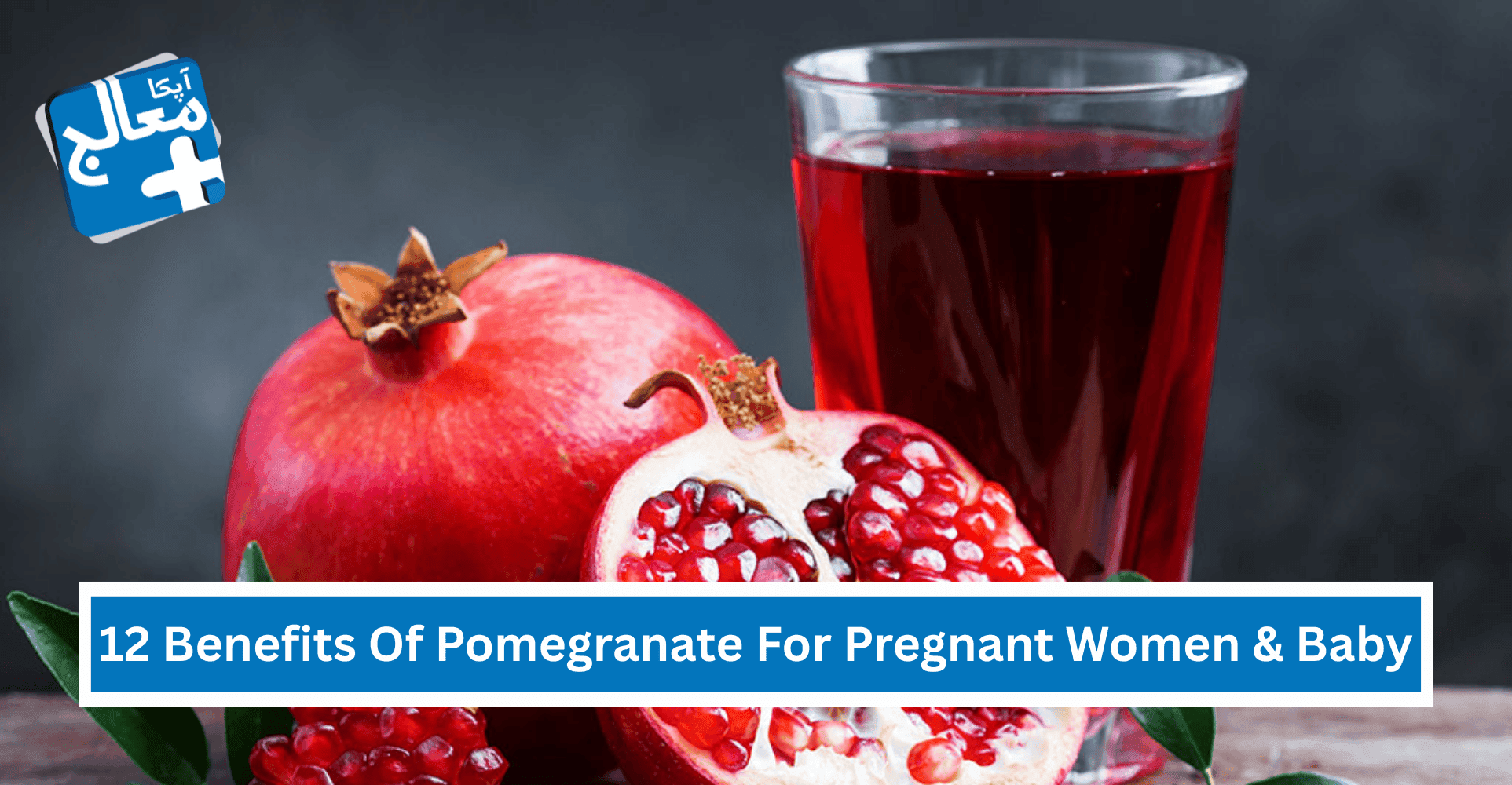
Pregnancy is a time when food choices carry added importance. Every meal contributes not only to a mother’s energy and comfort but also to the steady growth and development of the baby. Fruits are often encouraged during pregnancy because they provide vitamins, minerals, hydration, and natural antioxidants. Among them, pomegranate has earned special attention for its nutrient density and long history of use in traditional diets.
Pomegranate has been consumed for centuries across South Asia, the Middle East, and the Mediterranean. In many cultures, it is considered a symbol of life, fertility, and nourishment. Modern nutrition research now helps explain why this fruit continues to be recommended, especially during pregnancy.
This guide explores the benefits of pomegranate during pregnancy, its nutritional value, safe intake, possible concerns, and practical ways to include it in daily meals.
Also read: "10 Fascinating Shilajit Benefits For Women – Health, Energy & Hormonal Balance"
Why Pomegranate Is Considered Beneficial During Pregnancy
Pomegranate is not a miracle food, but it offers a combination of nutrients that align well with pregnancy needs. It contains vitamins, minerals, antioxidants, and dietary fiber, all of which support maternal health and fetal development when consumed as part of a balanced diet.
What makes the pomegranate stand out is its antioxidant profile. Pregnancy naturally increases oxidative stress in the body due to higher metabolic demands. Foods rich in antioxidants help neutralize free radicals and support healthy placental function.
Nutritional Profile of Pomegranate (Per 100g Edible Portion)
| Nutrient | Approximate Amount |
|---|---|
| Energy | 83 kcal |
| Carbohydrates | 18.7 g |
| Dietary Fiber | 4.0 g |
| Vitamin C | 10 mg |
| Folate (Vitamin B9) | 38 mcg |
| Vitamin K | 16.4 mcg |
| Potassium | 236 mg |
| Iron | 0.3 mg |
| Antioxidants | High (polyphenols, punicalagins) |
This nutritional composition explains why pomegranate supports multiple body systems during pregnancy.
Also, go through: "Menstrual Disorders After Miscarriage: Signs, Causes, & Treatment"
12 Evidence-Supported Benefits of Pomegranate in Pregnancy
1. Supports Healthy Blood Pressure
Maintaining stable blood pressure is essential during pregnancy. Pomegranate provides potassium, which helps counterbalance sodium levels and supports normal vascular function. This may help reduce strain on the cardiovascular system.
2. Helps Reduce the Risk of Preeclampsia
Oxidative stress plays a role in pregnancy complications such as preeclampsia. Pomegranate’s polyphenol antioxidants help reduce oxidative damage in placental tissues, which may support healthier pregnancy outcomes when combined with medical care.
3. Supports Placental Health
Research suggests that antioxidants found in pomegranate juice may protect placental cells from stress caused by reduced oxygen supply, particularly in high-risk pregnancies.
4. Aids Fetal Brain and Nervous System Development
Pomegranate contains folate, a nutrient essential for neural tube development. Adequate folate intake reduces the risk of neural tube defects affecting the baby’s brain and spinal cord.
5. Helps Prevent Anemia
Although pomegranate is not high in iron, its vitamin C content improves iron absorption from other foods. This is especially useful when pomegranate is eaten alongside iron-rich meals.
6. Boosts Immunity During Pregnancy
Vitamin C and antioxidants in pomegranate help support the immune system, which is especially important as pregnancy can slightly lower immune resistance.
Also learn: "Breast Cancer Symptoms - Causes, Treatments, & Preventions"
7. Improves Digestion and Prevents Constipation
Dietary fiber in pomegranate supports bowel regularity. Constipation is common during pregnancy, and fiber-rich fruits can help relieve discomfort naturally.
8. Supports Healthy Weight Management
Pomegranate is nutrient-dense but relatively low in calories. It provides satiety due to fiber content, helping pregnant women feel full without excessive calorie intake.
9. Reduces Inflammation
Chronic low-grade inflammation can affect maternal comfort. Pomegranate’s anti-inflammatory compounds may help reduce joint discomfort and swelling commonly experienced during pregnancy.
10. Supports Oral and Dental Health
Hormonal changes during pregnancy increase the risk of gum inflammation. Pomegranate contains antibacterial compounds that may support oral hygiene when combined with proper dental care.
11. Promotes Healthy Skin
Antioxidants and vitamin C contribute to collagen production and skin repair, helping manage pregnancy-related skin changes.
12. Supports Overall Energy Levels
Natural sugars combined with micronutrients provide gentle energy support without sharp spikes, making pomegranate a suitable snack during pregnancy fatigue.
Also read: "Top 17 Strange Early Pregnancy Symptoms You Should Know"
Is Pomegranate Safe in All Trimesters?
Pomegranate is generally considered safe during all stages of pregnancy when eaten in moderation. It can be consumed in early pregnancy, mid-pregnancy, and the third trimester as part of a varied diet.
However, individual health conditions matter. Women with gestational diabetes should monitor portions, especially when consuming juice, due to the natural sugar content.
Pomegranate Seeds vs. Pomegranate Juice in Pregnancy
| Aspect | Seeds (Arils) | Juice |
|---|---|---|
| Fiber | High | Very low |
| Sugar concentration | Moderate | Higher |
| Satiety | Better | Lower |
| Hydration | Moderate | High |
| Best choice for daily use | Yes | Limited |
Whole seeds are generally preferred over juice for regular intake due to fiber content.
How to Include Pomegranate in a Pregnancy Diet
-
Eat fresh seeds as a snack
-
Add to yogurt, oatmeal, or smoothies
-
Sprinkle over salads
-
Use as a garnish for rice or vegetable dishes
-
Dilute fresh juice with water and consume occasionally
Recommended Daily Intake
-
Fresh seeds: ½ to 1 cup per day
-
Juice: ½ cup, 2–3 times per week
Always balance with other fruits and vegetables.
Possible Side Effects and Precautions
-
Excess juice may raise blood sugar
-
Rare allergies can occur
-
Overconsumption may cause mild digestive upset
-
Avoid supplements or extracts without medical advice
Also read: "9 Folic Acid Benefits, Usage, Importance, & More"
Final Thoughts
Pomegranate is a nutrient-rich fruit that can support maternal health during pregnancy when consumed as part of a balanced and varied diet. Its antioxidant content, along with essential nutrients such as folate, potassium, vitamin C, and dietary fiber, contributes to healthy blood pressure regulation, digestion, immune function, and fetal development. These benefits make pomegranate a valuable dietary addition rather than a standalone solution for pregnancy-related concerns.
Moderation, variety, and individualized medical guidance remain essential, particularly for women managing conditions such as gestational diabetes, hypertension, or high-risk pregnancies.
For personalized dietary and pregnancy-related guidance, consult a PMDC-verified gynecologist or nutritionist near you through Apka Muaalij, Pakistan’s leading digital healthcare platform. Call 042-32377001 to book an online video consultation and receive trusted medical advice from the comfort of your home.
Frequently Asked Questions (FAQs)
1. Is pomegranate safe in early pregnancy?
Yes, pomegranate is generally safe to eat in early pregnancy when consumed in moderation. It provides folate, vitamin C, and antioxidants that support early fetal development. Whole pomegranate seeds are preferred over juice due to their fiber content. Women with nausea or acidity should start with small portions and observe tolerance.
2. Can pomegranate juice prevent preeclampsia?
Pomegranate juice may support vascular and placental health due to its antioxidant content, but it cannot prevent preeclampsia on its own. Some studies suggest its polyphenols may reduce oxidative stress linked to preeclampsia. However, medical monitoring and prenatal care remain essential.
3. How much pomegranate should a pregnant woman eat daily?
A pregnant woman can safely consume about ½ to 1 cup of fresh pomegranate seeds per day. If drinking juice, limit intake to ½ cup, 2–3 times per week, preferably diluted and without added sugar.
4. Is pomegranate good for fetal brain development?
Yes, pomegranate supports fetal brain development primarily due to its folate and antioxidant content. Folate helps reduce the risk of neural tube defects, while antioxidants protect developing brain cells from oxidative stress.
5. Can pomegranate help with pregnancy constipation?
Yes, pomegranate contains dietary fiber that supports digestion and bowel regularity. Regular intake of whole seeds, along with adequate water intake, may help reduce constipation during pregnancy.
6. Is pomegranate safe for gestational diabetes?
Pomegranate seeds can be included in small, controlled portions for women with gestational diabetes. However, pomegranate juice should be limited due to its natural sugar concentration. Blood sugar monitoring and consultation with a doctor or dietitian are recommended.
7. Does pomegranate increase hemoglobin levels?
Pomegranate does not directly increase hemoglobin significantly because its iron content is low. However, its vitamin C improves iron absorption from other foods, which may indirectly support healthy hemoglobin levels when combined with iron-rich meals.
8. Can pomegranate reduce pregnancy fatigue?
Yes, pomegranate may help reduce mild pregnancy fatigue by providing natural sugars, hydration, and micronutrients like potassium and vitamin C, which support energy metabolism.
9. Is pomegranate safe in the third trimester?
Yes, pomegranate is safe in the third trimester when eaten in moderation. It may support digestion, blood pressure balance, and hydration. Excessive juice intake should still be avoided to prevent unnecessary sugar spikes.
10. Are pomegranate supplements safe during pregnancy?
Pomegranate supplements, extracts, or capsules are not recommended during pregnancy unless prescribed by a doctor. Whole fruit consumption is safer, as supplements may contain concentrated compounds that lack sufficient safety data.
11. Does pomegranate help placental growth?
Research suggests that antioxidants in pomegranate may support placental cell health and reduce oxidative stress. While it may contribute to placental well-being, it should be considered supportive rather than therapeutic.
12. Can pomegranate cause miscarriage?
There is no scientific evidence showing that eating pomegranates causes miscarriage. When consumed as a whole fruit and in normal dietary amounts, pomegranate is considered safe during pregnancy.
Disclaimer: This content is for informational purposes only and does not replace professional medical advice. Nutritional needs during pregnancy vary based on individual health conditions. Always consult a qualified doctor, obstetrician, or nutritionist before making dietary changes during pregnancy.


Dr. Bisma Shehzadi
Dr. Bisma Shehzadi, Pharm.D, RPh, is working as a professional seasoned content writer with 4 years of experience in healthcare and wellness writing. With a strong pharmaceutical background and clinical knowledge, she creates research-driven, search-optimized articles that simplify complex medical topics. Her writing enables her to craft content that educates, promotes wellness, and supports healthcare initiatives among online users and readers.