12 Potential Benefits Of Kombucha Sexually | Recipes, Risks, and More
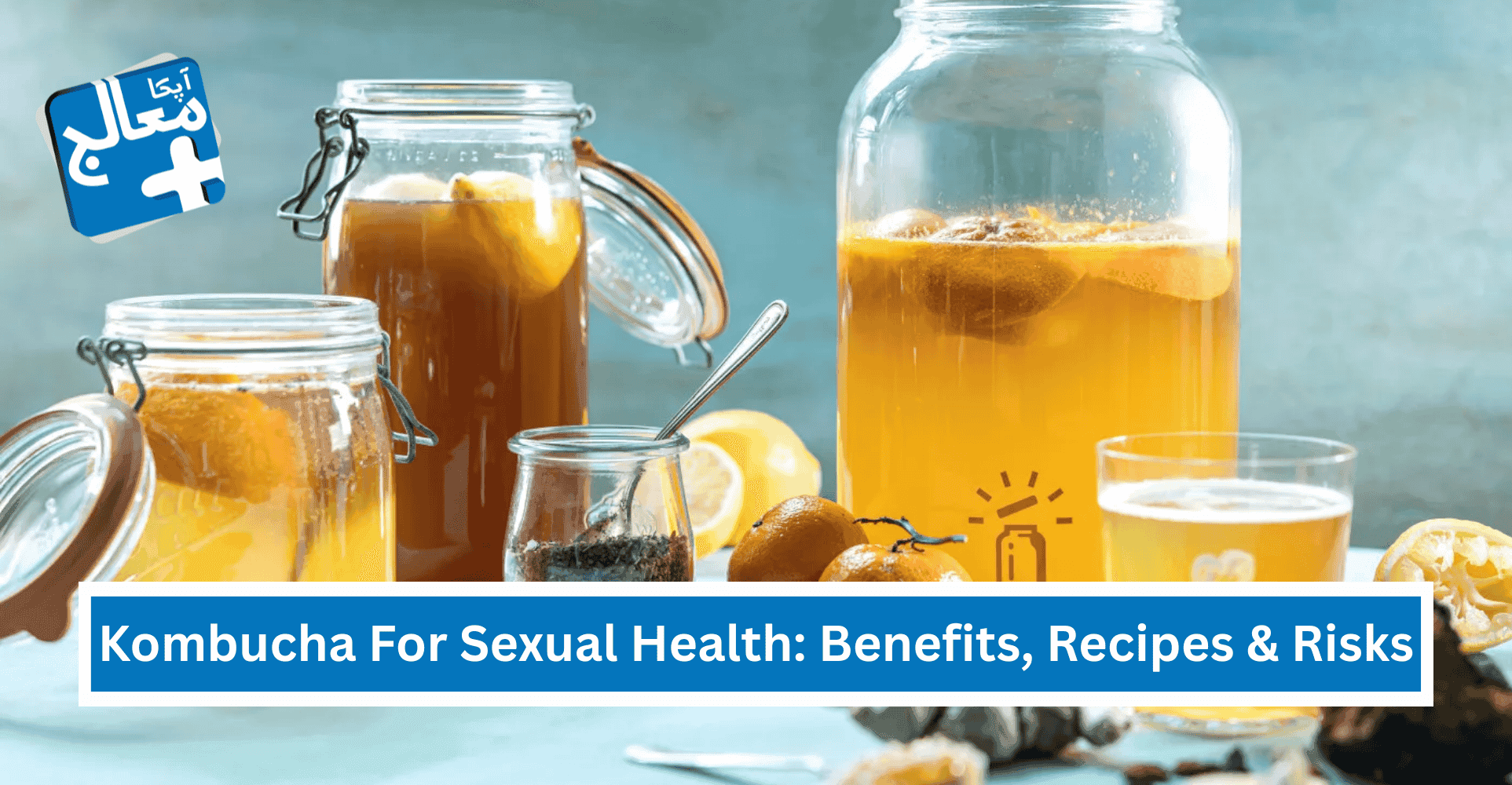
Kombucha has evolved from a niche fermented tea into a global wellness staple. Beyond gut health and detox claims, many people now ask whether kombucha can support sexual health, libido, energy, and hormonal balance. While it is not a miracle aphrodisiac, its nutritional profile and probiotic benefits may indirectly enhance factors that influence sexual well-being.
This article explores the science-backed links between kombucha and sexual health, its broader benefits, safe consumption, simple recipes, and potential risks.
Key Takeaways
-
Kombucha supports sexual health indirectly by improving gut health, energy, circulation, and hormone balance.
-
It is not a direct libido enhancer but contributes to overall wellness that influences sexual vitality.
-
Moderate consumption, quality sourcing, and mindful use are essential to maximize benefits while minimizing risks.
What Is Kombucha?

Kombucha is a fermented tea made by combining sweetened tea with a symbiotic culture of bacteria and yeast (SCOBY), producing probiotics, organic acids, antioxidants, and trace vitamins.
The fermentation process creates compounds such as:
-
Probiotics
-
Acetic acid
-
Polyphenols
-
B vitamins
-
Small amounts of alcohol and carbonation
These components influence gut health, metabolism, and immune function, all of which can affect sexual wellness indirectly.
How Kombucha May Support Sexual Health
Sexual health is shaped by energy levels, hormone balance, circulation, mood, and gut health. Kombucha contributes to several of these areas.
Key mechanisms
-
Improved gut microbiome supports hormone regulation
-
Antioxidants enhance blood flow
-
B vitamins support energy metabolism
-
Reduced inflammation may improve overall vitality
12 Potential Benefits of Kombucha for Sexual Health and Wellness

1. Supports Gut Health and Hormone Balance
A healthy gut microbiome helps regulate estrogen and testosterone metabolism. Probiotics in kombucha may promote microbial balance, which can influence hormonal stability.
2. Enhances Energy Levels
B vitamins produced during fermentation help convert food into energy. Higher energy often correlates with improved libido and stamina.
3. Improves Circulation
Polyphenols in tea support cardiovascular health. Better circulation can improve arousal and sexual response in both men and women.
4. Reduces Inflammation
Chronic inflammation can disrupt hormone function and reduce vitality. Kombucha’s antioxidants may help lower systemic inflammation.
5. Supports Liver Detoxification
The liver plays a role in hormone regulation. Organic acids in kombucha may support natural detox pathways, helping maintain hormonal balance.
6. Promotes Mood Stability
Gut health influences serotonin production. Improved mood and reduced stress can positively affect sexual desire.
7. May Help Balance Blood Sugar
Stable blood sugar levels prevent energy crashes and fatigue, which can interfere with sexual performance and interest.
8. Supports Immune Health
A robust immune system reduces illness-related fatigue and supports overall vitality.
9. Hydration and Electrolyte Support
Kombucha contains small amounts of electrolytes, supporting hydration, which is important for physical endurance and comfort.
10. May Reduce Stress Response
Adaptogenic teas used as a base, such as green tea, contain L-theanine, which promotes relaxation without sedation.
11. Supports Weight Management
Maintaining a healthy weight can improve hormone balance and body confidence, both of which influence sexual wellness.
12. Encourages Mindful Lifestyle Habits
People who incorporate kombucha often adopt broader wellness habits such as improved diet and stress management, indirectly supporting sexual health.
Does Kombucha Directly Increase Libido?
No. Kombucha does not directly increase libido, but it supports underlying factors such as energy, mood, circulation, and hormone balance that influence sexual desire.
Libido is complex and influenced by:
-
Hormones
-
Stress levels
-
Sleep quality
-
Relationship dynamics
-
Overall health
Kombucha contributes to the health foundation rather than acting as a direct aphrodisiac.
Nutritional Snapshot of Kombucha
|
Nutrient/Compound |
Potential Role |
|
Probiotics |
Gut and hormone health |
|
Polyphenols |
Circulation and antioxidant support |
|
B Vitamins |
Energy and metabolism |
|
Organic acids |
Detox support |
|
L-theanine (from tea) |
Stress reduction |
Potential Risks and Side Effects
While generally safe in moderation, kombucha is not suitable for everyone.
Possible risks
-
Digestive upset in sensitive individuals
-
Excess sugar in commercial brands
-
Alcohol content (usually 0.5% or less)
-
Contamination risk in poorly brewed homemade versions
Who should be cautious?
-
Pregnant individuals
-
People with compromised immune systems
-
Those with severe digestive disorders
-
Individuals sensitive to caffeine
Moderation is key. Most experts suggest limiting intake to 4–8 ounces per day initially.
How Much Kombucha Should You Drink?
120–240 ml (4–8 oz) per day is a safe starting amount for most adults.
Gradually increasing intake allows your gut microbiome to adjust and helps prevent bloating or digestive discomfort.
Simple Kombucha Recipes to Try

1. Ginger Libido-Boost Kombucha
Why: Ginger supports circulation and warmth.
Ingredients
-
1 cup kombucha
-
1 tsp fresh grated ginger
-
1 tsp lemon juice
Instructions
-
Mix ingredients in a glass.
-
Let's sit for 5 minutes.
-
Drink chilled.
2. Berry Antioxidant Kombucha
Why: Berries enhance antioxidant intake.
Ingredients
-
1 cup kombucha
-
¼ cup crushed blueberries or strawberries
Instructions
-
Add berries to kombucha.
-
Let it infuse for 10 minutes.
-
Serve cold.
3. Mint Cooling Kombucha
Why: Mint aids digestion and freshness.
Ingredients
-
1 cup kombucha
-
4–5 fresh mint leaves
Instructions
-
Lightly crush mint leaves.
-
Add to kombucha.
-
Chill and enjoy.
Kombucha vs. Other Wellness Drinks
|
Beverage |
Key Benefit |
Sexual Health Impact |
|
Kombucha |
Probiotics and antioxidants |
Indirect support |
|
Green tea |
L-theanine and antioxidants |
Stress reduction |
|
Beet juice |
Nitric oxide boost |
Circulation support |
|
Kefir |
Strong probiotics |
Gut and hormone health |
Insight: Kombucha offers a balanced mix of benefits but works best as part of a broader healthy lifestyle.
Tips for Choosing High-Quality Kombucha
-
Look for low-sugar options
-
Choose brands with live cultures
-
Avoid artificial flavors
-
Check alcohol content if sensitive
Quality matters, especially if you are consuming kombucha for health benefits.
Frequently Asked Questions (FAQs)
Is kombucha good for sexual health?
Kombucha may support sexual health indirectly by improving gut health, circulation, energy, and mood. While it is not a direct libido enhancer, its probiotic and antioxidant properties help maintain hormonal balance and overall vitality, which are essential for a healthy sex life.
Can kombucha increase libido?
There is no scientific evidence that kombucha directly increases libido. However, improved energy, reduced stress, and better hormone regulation associated with gut health may positively influence sexual desire.
Is kombucha beneficial for men’s health?
Yes. Kombucha may support men’s health by promoting heart health, energy metabolism, and gut balance. These factors can influence testosterone regulation, stamina, and overall wellness.
Is kombucha good for women’s hormonal balance?
Probiotics in kombucha may support estrogen metabolism through gut health. A balanced microbiome helps regulate hormones, which may benefit menstrual health and mood stability.
How much kombucha should I drink daily?
Most adults can safely consume 4–8 ounces daily. Starting with small amounts helps prevent digestive discomfort and allows the body to adjust to probiotics.
Can kombucha improve circulation?
Tea polyphenols may support cardiovascular health and blood flow. Improved circulation can contribute to better physical responsiveness and arousal.
Does kombucha help with stress and mood?
Gut health influences neurotransmitters such as serotonin. Kombucha’s probiotics may support mood stability and stress resilience, indirectly benefiting sexual well-being.
Are there risks to drinking kombucha daily?
Potential risks include digestive upset, excess sugar intake, and contamination from improper brewing. Moderation and choosing reputable brands reduce these risks.
Is homemade kombucha safe?
Homemade kombucha can be safe if brewed under sanitary conditions with proper fermentation times. Poor hygiene or over-fermentation can lead to contamination or excessive acidity.
Can kombucha affect hormones?
Indirectly, yes. Gut bacteria influence hormone metabolism, including estrogen. Supporting gut health may help maintain hormonal balance.
Does kombucha contain alcohol?
Yes, but typically less than 0.5%. This small amount results from fermentation and is generally considered non-alcoholic.
Can kombucha help with fertility?
There is no direct evidence linking kombucha to fertility improvements. However, overall health, hormone balance, and reduced inflammation may support reproductive wellness.
Is kombucha safe during pregnancy?
Pregnant individuals should consult a healthcare provider due to trace amounts of alcohol, caffeine, and potential contamination risks.
Can kombucha replace probiotic supplements?
Kombucha provides probiotics, but in lower concentrations than targeted supplements. It can complement, but not fully replace, probiotic therapy.
What is the best time to drink kombucha?
Many people prefer drinking kombucha in the morning or before meals to support digestion. However, timing can vary based on tolerance and personal routine.
Disclaimer: This article is for educational purposes only and does not constitute medical advice. Kombucha should not be used to treat or prevent medical conditions. Consult a qualified healthcare professional before making dietary changes, especially if you are pregnant, immunocompromised, or managing chronic health conditions.